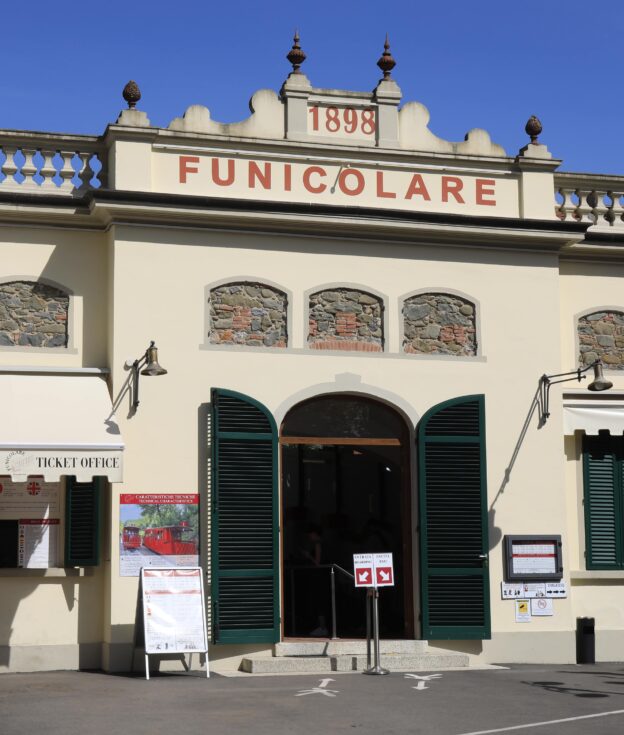
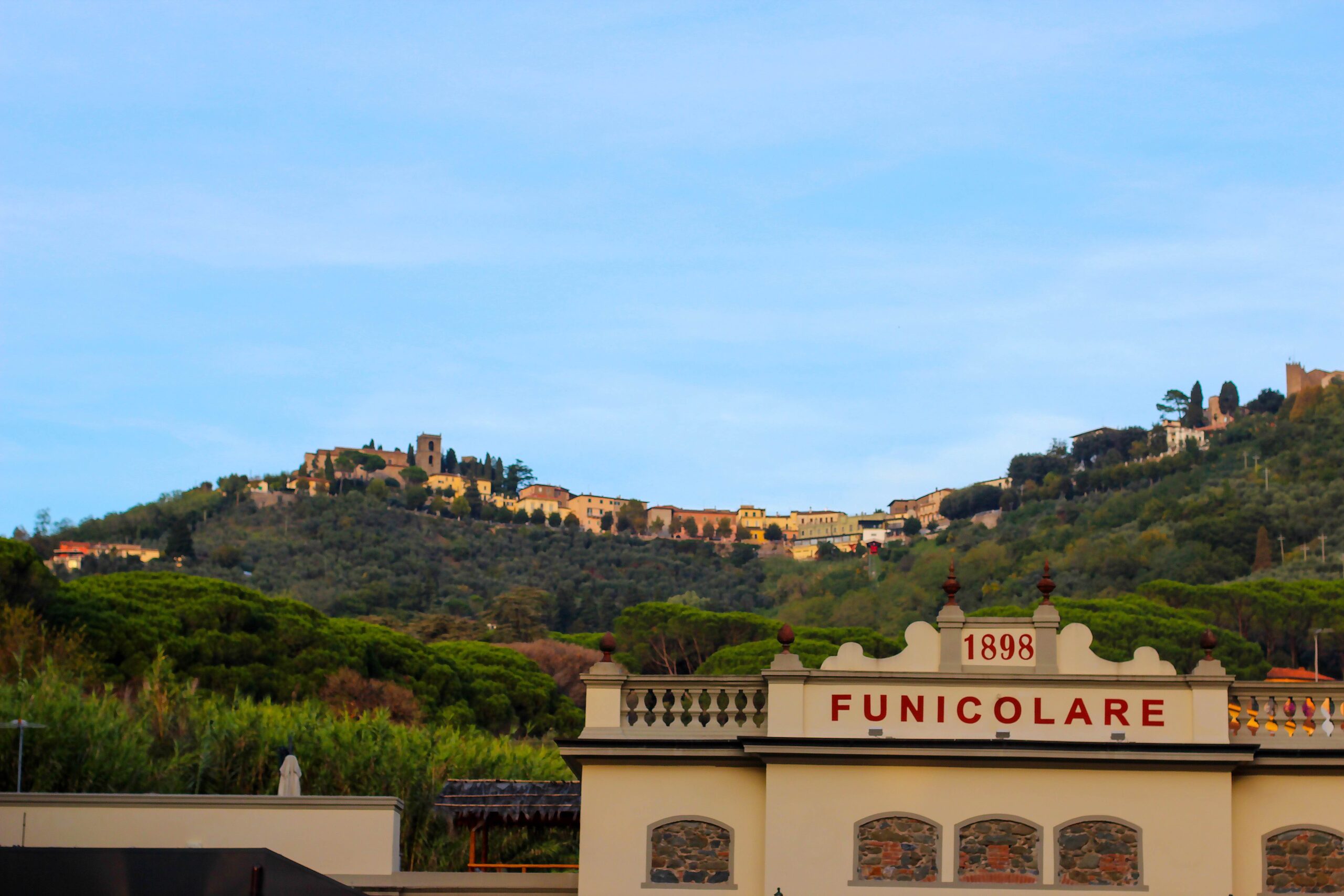
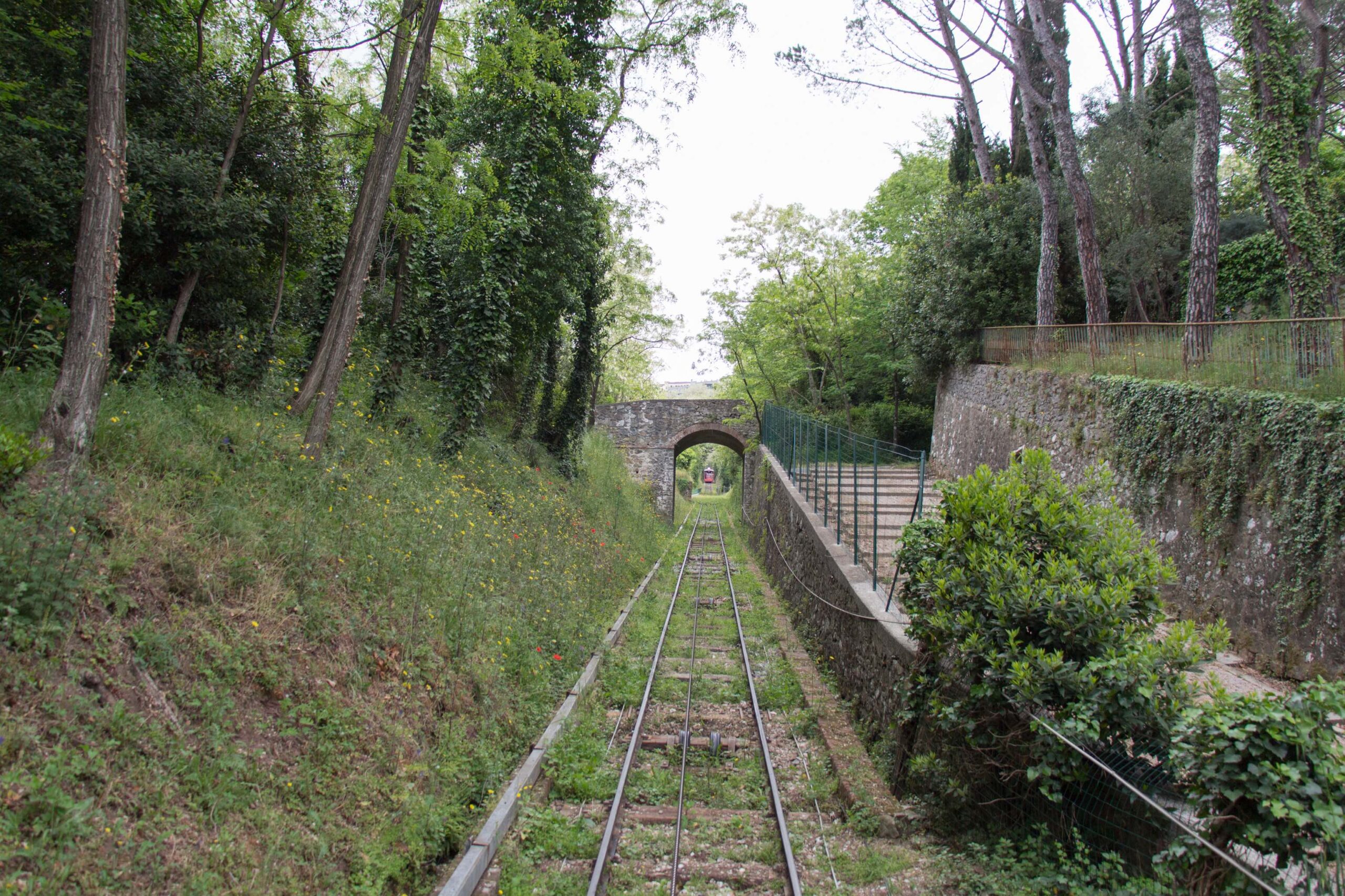
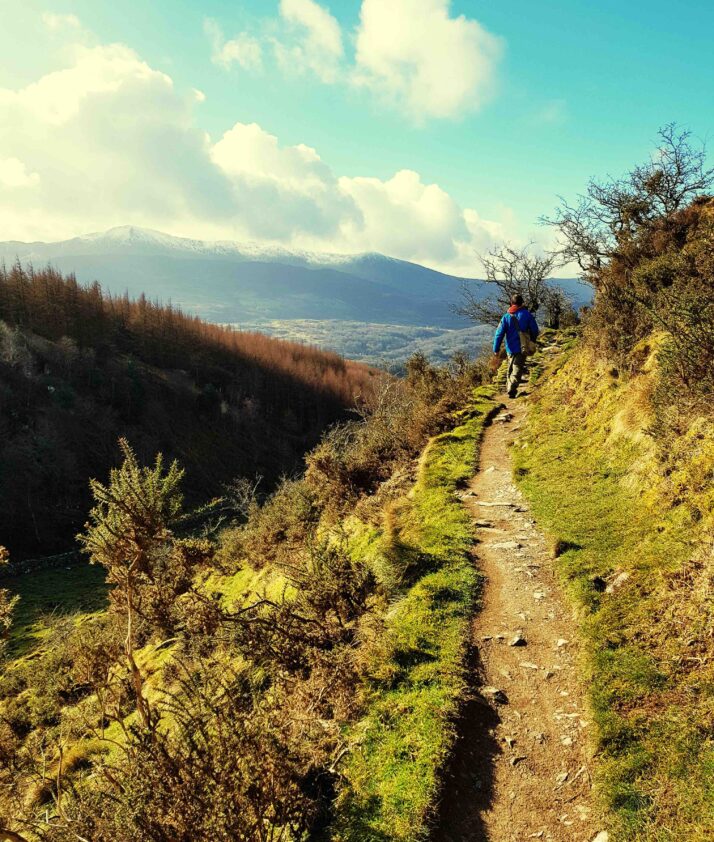
This picturesque nineteenth-century path winds through the greenery, parallel to the route of the historic Montecatini Funicular.
It is a real journey through time, designed for those who wish to reach Montecatini Alto on foot, surrounded by nature and the quietness of the hills
From valley to summit, among olive trees and woods
The trail begins to the right of the funicular departure station, and winds its way through olive groves, wooded sections and breathtaking views. As it climbs to the hill, it opens up a splendid view of the spa town below, giving a unique perspective on the entire area.
A spiritual path as well
Along the way are the Stations of the Cross, which accompany the visitor on a journey that is not only physical but also meditative. An ideal walk for those seeking an experience that combines nature, history and spirituality.
Vacation ideas
A journey among the historic Montecatini spas
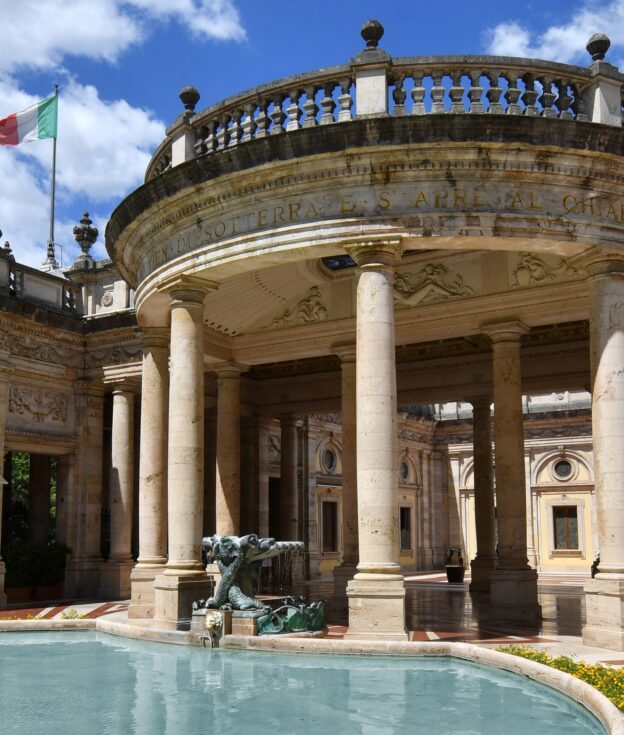
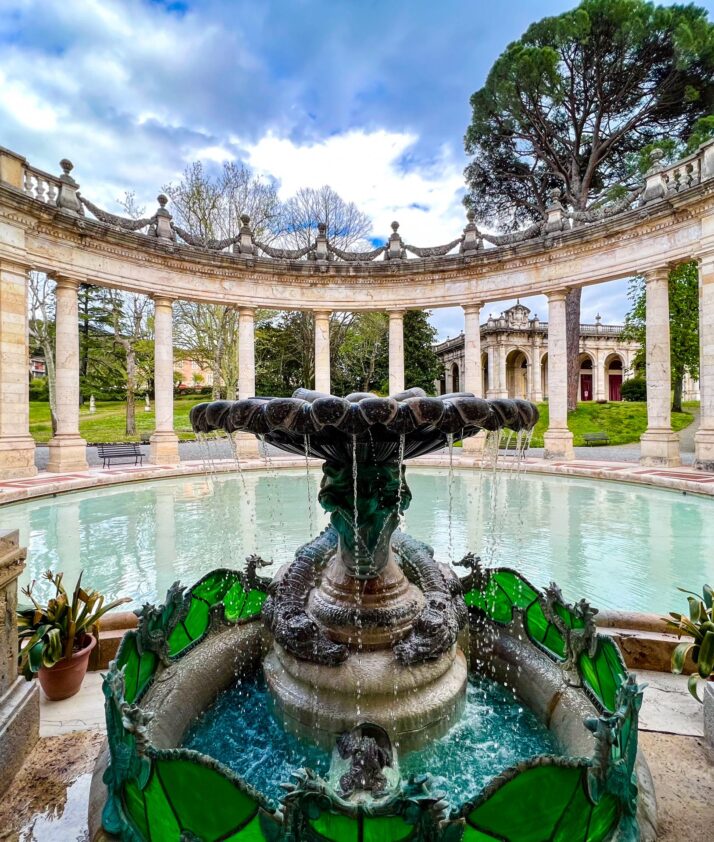
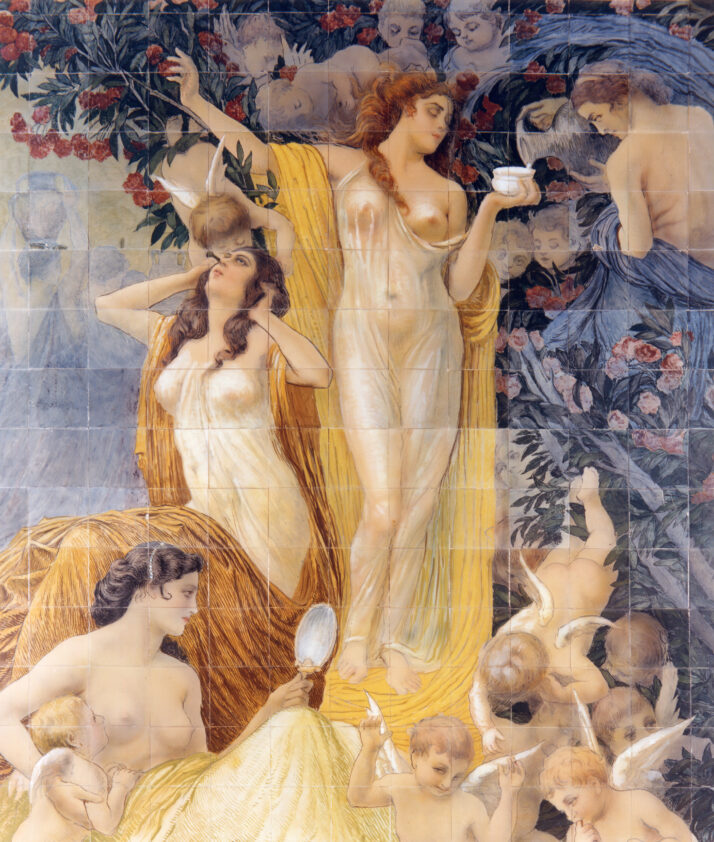
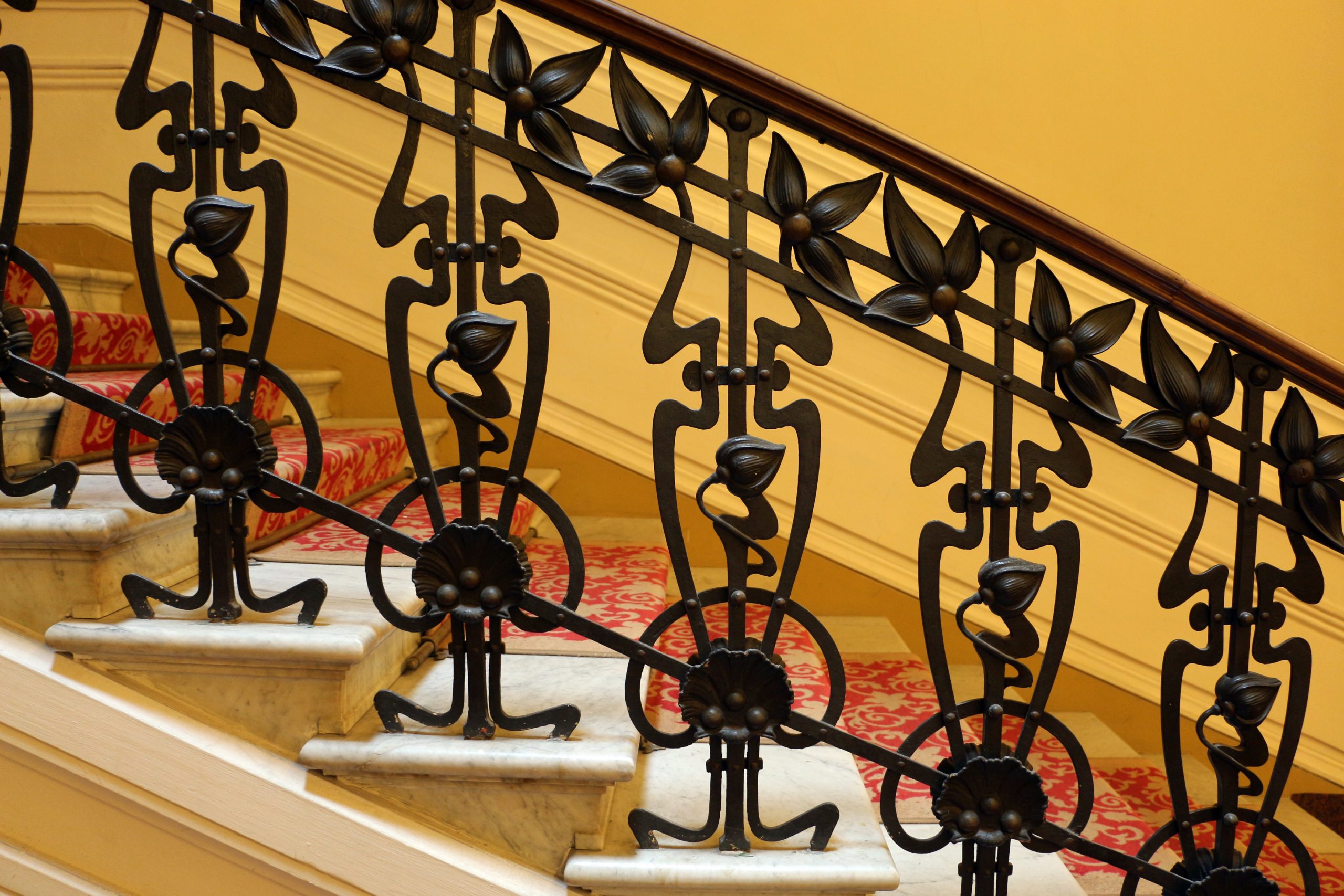
To stroll through Montecatini’s historic spas is to embark on a journey through time, where water becomes not only a source of well-being but also the inspiring muse of majestic architecture and refined decorations.
Great SPA towns of Europe: Montecatini Terme is a UNESCO world heritage site
Since July 24, 2021, Montecatini Terme has officially become part of an extraordinary cultural project: the Great Spa Towns of Europe, recognized as a UNESCO World Heritage Site.
Montecatini Terme: how to organize your vacation in the name of wellness
Here’s how to make the most of your stay, alternating thermal treatments with discovering the local area!
Montecatini Terme has historically been a favorite destination for famous people, attracted by the beneficial properties of its thermal waters and the elegance of its buildings. A discreet and refined retreat, chosen to relax away from the spotlight.
A tribute engraved in the city
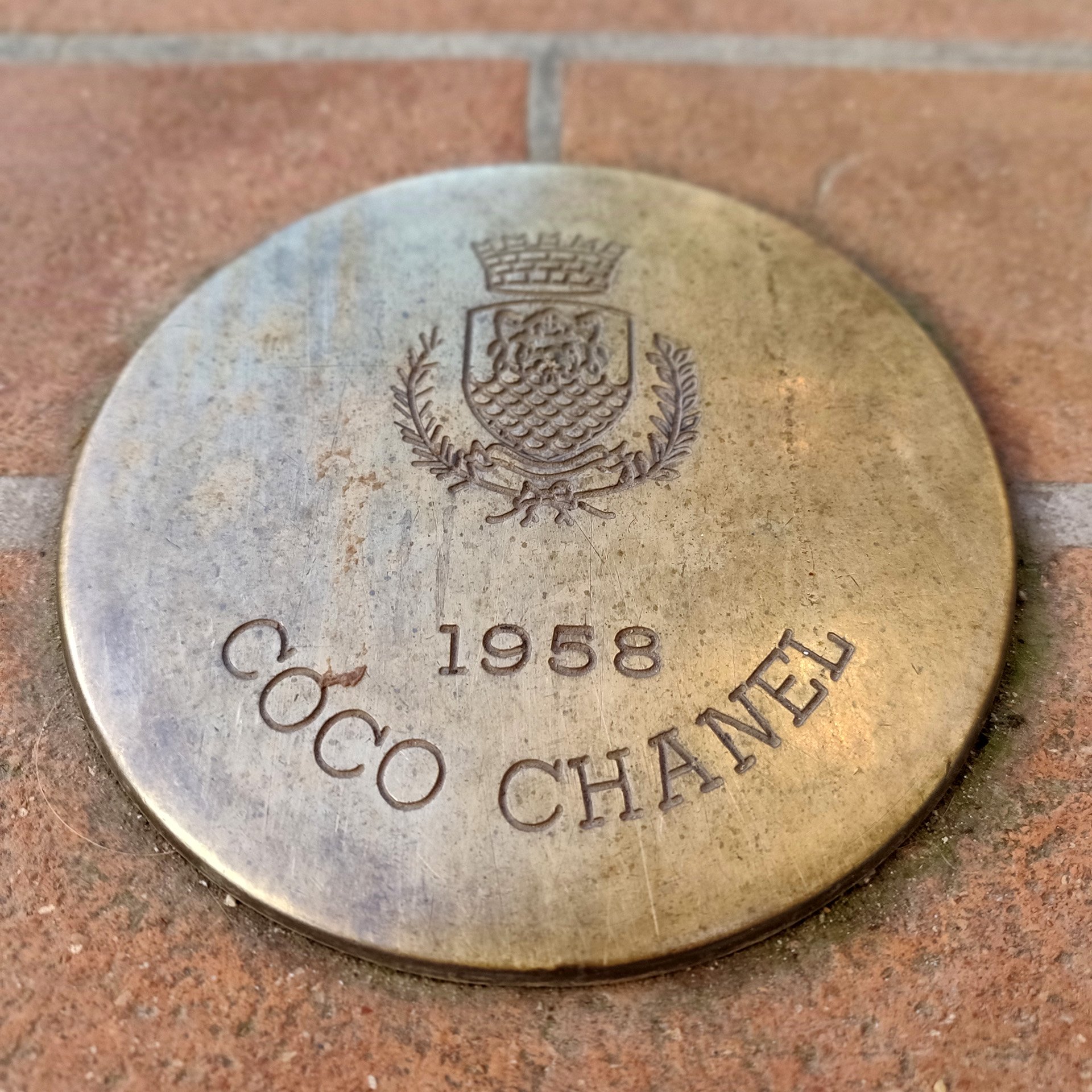
As a testimony to their passage, the “Walk of Fame” has been created along the sidewalks of Viale Giuseppe Verdi: an installation consisting of more than 200 circular studs engraved with the names of celebrities who have stayed in the city. A path that tells the story of Montecatini through its most famous guests.
Legendary hospitality
Many of these personalities were welcomed at the Grand Hotel & La Pace, Montecatini’s most prestigious accommodation, an authentic symbol of high-end hospitality and a long-standing place of reference for the international elite.
Vacation ideas
A journey among the historic Montecatini spas
To stroll through Montecatini’s historic spas is to embark on a journey through time, where water becomes not only a source of well-being but also the inspiring muse of majestic architecture and refined decorations.
Great SPA towns of Europe: Montecatini Terme is a UNESCO world heritage site
Since July 24, 2021, Montecatini Terme has officially become part of an extraordinary cultural project: the Great Spa Towns of Europe, recognized as a UNESCO World Heritage Site.
Montecatini Terme: how to organize your vacation in the name of wellness
Here’s how to make the most of your stay, alternating thermal treatments with discovering the local area!
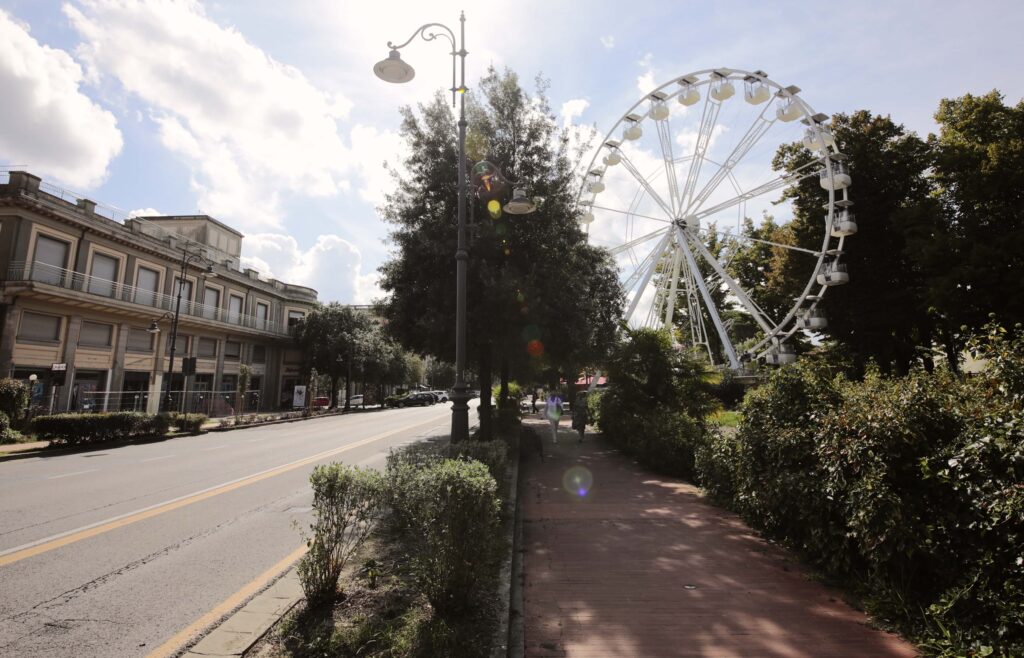
Viale Giuseppe Verdi represents the historical and symbolic axis on which Montecatini Terme has developed. Originally laid out to connect the Via Regia with the Tettuccio spa, passing through the Terme Leopoldine and the Palazzina Regia, has long been the hub of city life.
This avenue, which was once known as Vialone dei Bagni, guided the city’s urban expansion, marking the transition from the medieval village of Montecatini Alto to the new thermal Montecatini.
A tribute to a special guest: Giuseppe Verdi
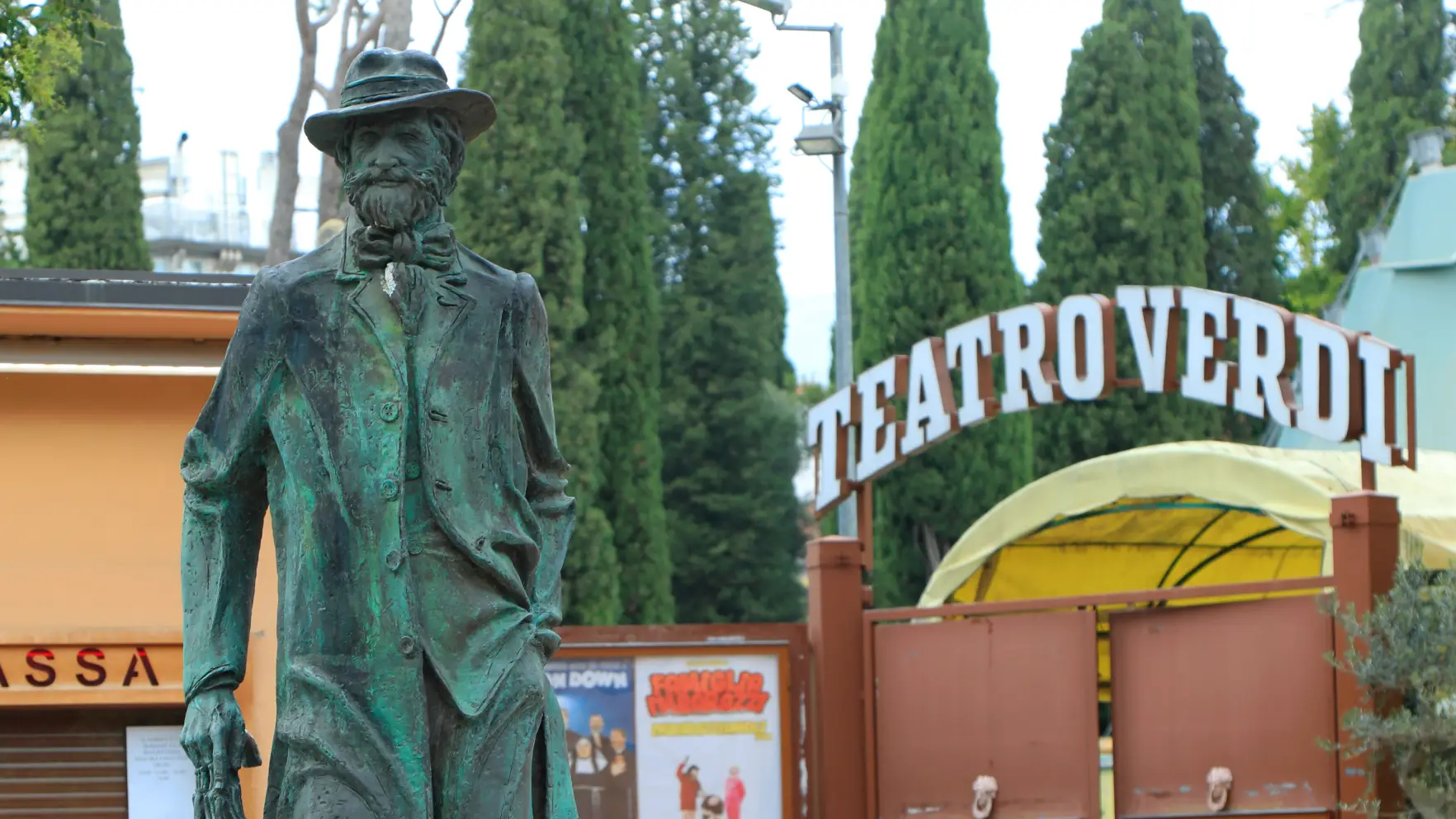
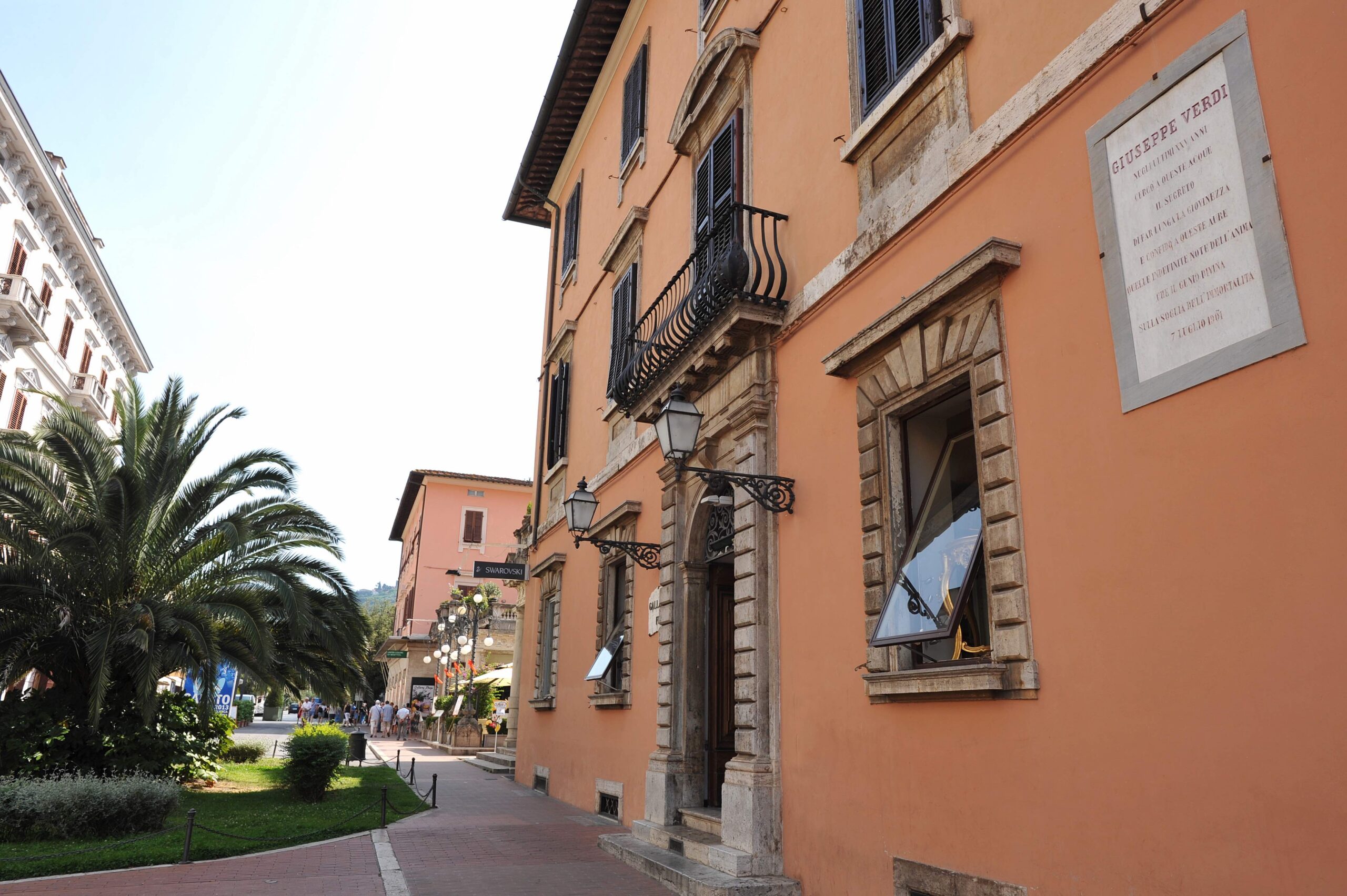
In 1901, in the aftermath of the Maestro’s death, the municipality decided to name the avenue after the composer Giuseppe Verdi, a regular and devoted visitor to the town. Verdi first visited Montecatini in 1882, returning every year until 1900. He always stayed in the same room at the Locanda Major, he treated himself with the waters of the Tettuccio and loved to walk to Montecatini Alto, which he considered one of his favorite destinations.
Music and creativity among the spa
Montecatini was also a place of inspiration for Verdi: he composed much of the third act of Otello (1885) here and, during a stay in 1889, began writing Falstaff. The relaxed and stimulating environment of the spa proved perfect for his creative process.
The Verdi Theater, a stage between history and entertainment
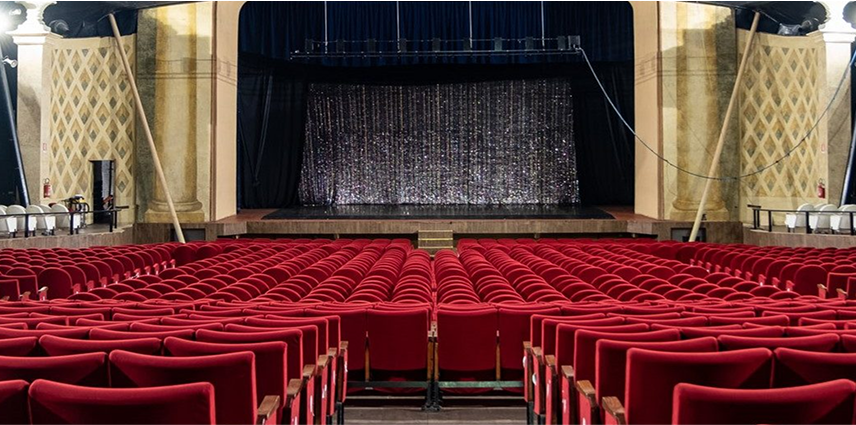
The avenue is also overlooked by the famous Verdi Theater, the city’s cultural landmark. Over the years it has hosted opera performances, concerts, variety shows and nationally renowned artists, keeping alive the link between the city and great music.
A memory that lives on to this day
Verdi maintained close ties with Montecatini until the end: it was the health director of the Spa, physician Pietro Grocco, who joined him in Milan to assist him in his final days. In honor of the Maestro, the City Council decided on Jan. 28, 1901, to name the stretch between the Baths and the Tettuccio as Viale Giuseppe Verdi, while the area between the Funicular station and the Chalet Melani was renamed Passeggiata Giuseppe Verdi.
Memoirs of authorship at the Academy of Art
Today, personal belongings, the piano and numerous mementos of Verdi’s Montecatini sojourn are preserved at the Montecatini Academy of Art, custodian of a precious memory that combines music, culture and town identity.
Vacation ideas
Outdoor Montecatini: between relax and discovery
The territory of Montecatino lends itself magnificently to exploration: panoramic paths wind through centuries-old olive groves and lush vineyards, offering breathtaking views of the Valdinievole.
A journey among the historic Montecatini spas
To stroll through Montecatini’s historic spas is to embark on a journey through time, where water becomes not only a source of well-being but also the inspiring muse of majestic architecture and refined decorations.
Great SPA towns of Europe: Montecatini Terme is a UNESCO world heritage site
Since July 24, 2021, Montecatini Terme has officially become part of an extraordinary cultural project: the Great Spa Towns of Europe, recognized as a UNESCO World Heritage Site.
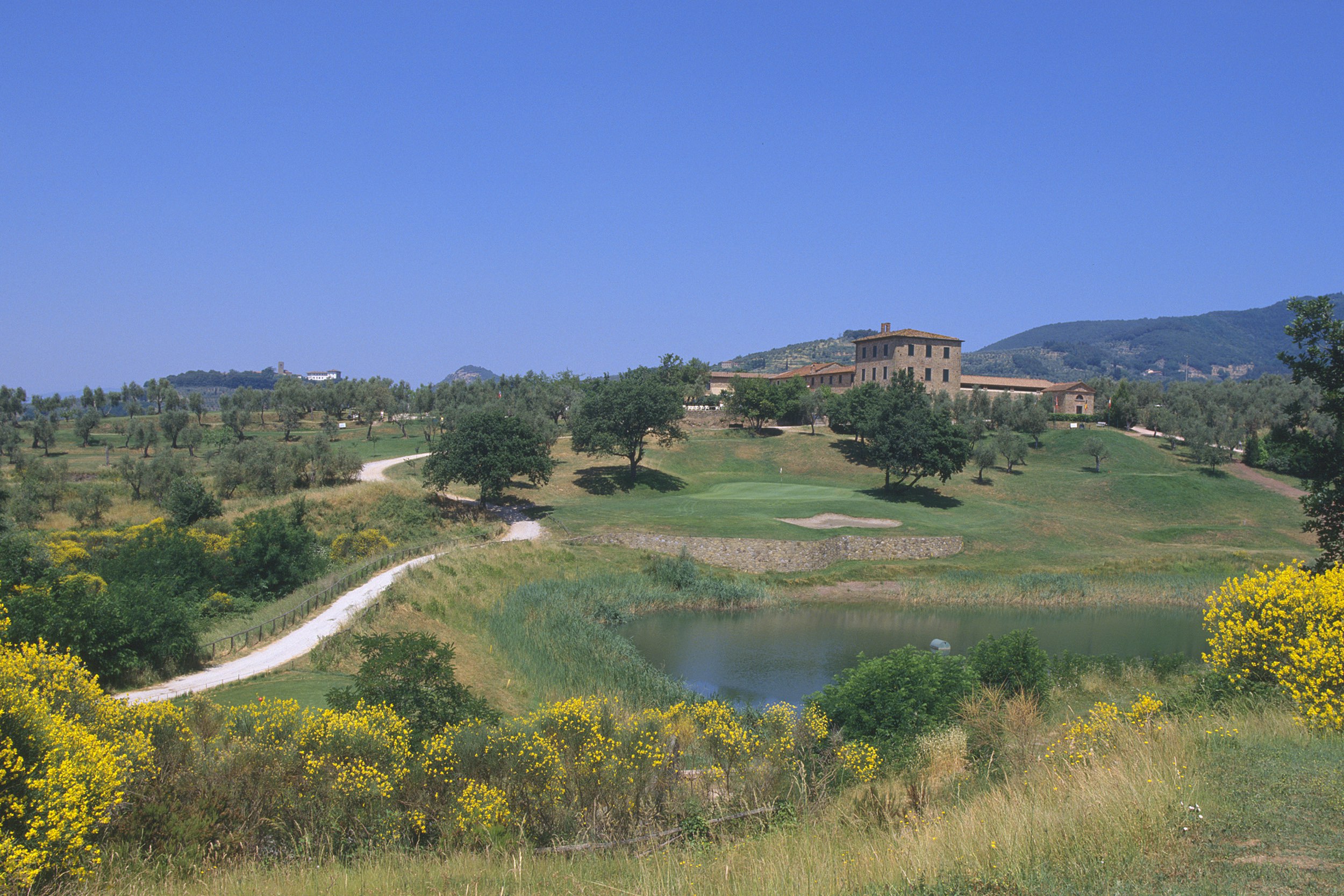
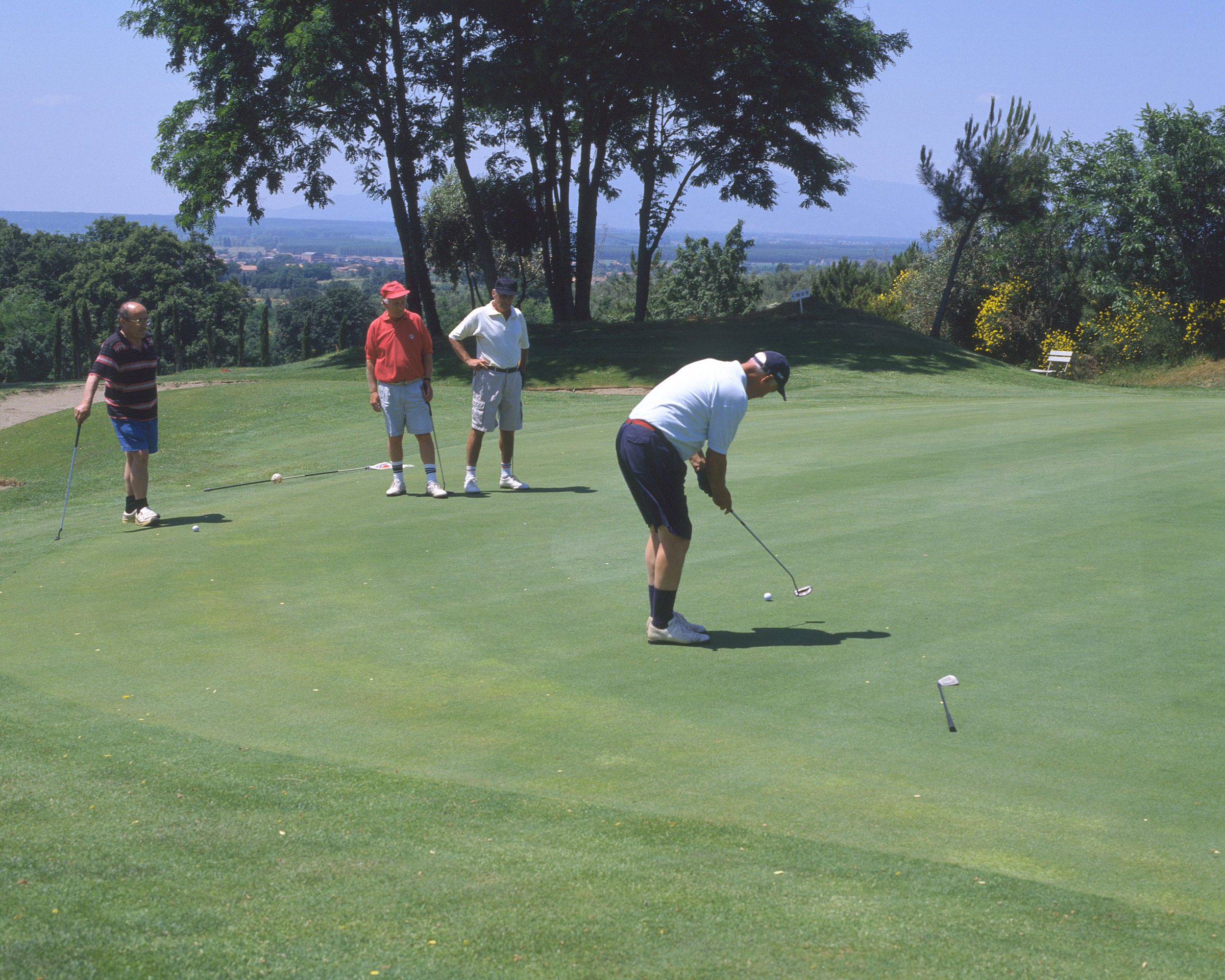
Located in La Pievaccia, in the nearby town of Monsummano Terme, the golf course offers an 18-hole course nestled in the hills.
An evocative setting, where the green landscape blends with the quiet and elegance of a timeless sport.
A sporting and panoramic experience
The course unfolds among natural ups and downs in a typical Tuscan setting, making each hole an opportunity to test oneself and enjoy the view. A perfect experience for enthusiasts and the curious, just minutes from Montecatini.
Personalized lessons and training
For those who wish to improve their technique or approach golf for the first time, qualified instructors are available for individual lessons and training courses, suitable for all levels of preparation.
The territory of Montecatino lends itself magnificently to exploration: panoramic paths wind through centuries-old olive groves and lush vineyards, offering breathtaking views of the Valdinievole.
A journey among the historic Montecatini spas
To stroll through Montecatini’s historic spas is to embark on a journey through time, where water becomes not only a source of well-being but also the inspiring muse of majestic architecture and refined decorations.
Great SPA towns of Europe: Montecatini Terme is a UNESCO world heritage site
Since July 24, 2021, Montecatini Terme has officially become part of an extraordinary cultural project: the Great Spa Towns of Europe, recognized as a UNESCO World Heritage Site.
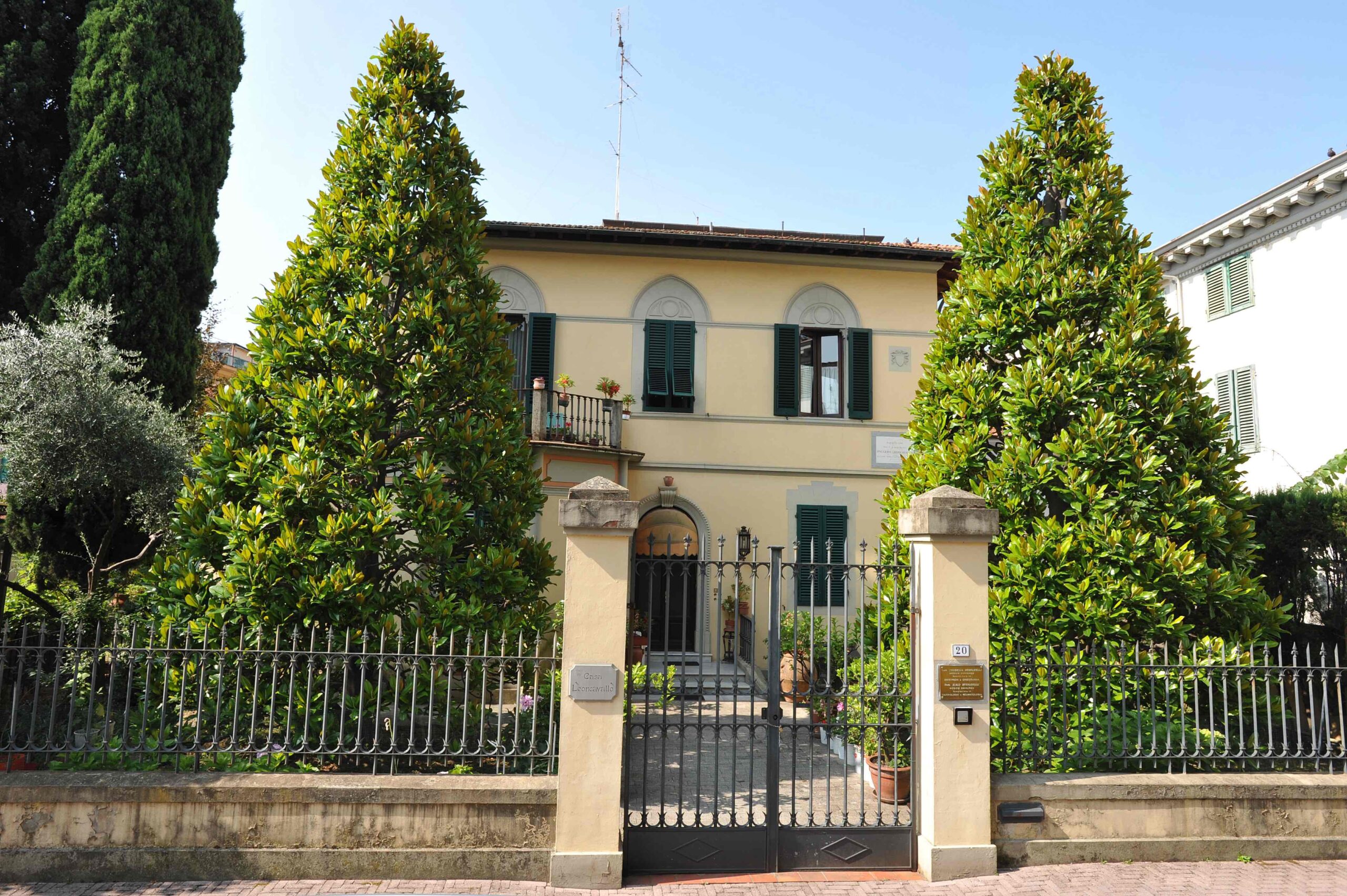
Montecatini Terme was the second home of the famous Neapolitan composer Ruggero Leoncavallo, author of the opera “Pagliacci.”
Here he spent the last years of his life, finding inspiration for new compositions and actively contributing to the city’s cultural life.
Leoncavallo House
On Giannini Street still stands the small villa where Leoncavallo lived and died in 1919. The building, which is now privately owned and cannot be visited, is known as Casa Leoncavallo and is a symbolic place of the bond between the artist and the city.
Today, the villa is privately owned and not accessible to the public.
A memory that lives on
Montecatini wanted to honor the composer’s memory by also dedicating a street to him, a tangible sign of the deep affection the city still has for one of the leading figures in its cultural history.
Vacation ideas
Great SPA towns of Europe: Montecatini Terme is a UNESCO world heritage site
Since July 24, 2021, Montecatini Terme has officially become part of an extraordinary cultural project: the Great Spa Towns of Europe, recognized as a UNESCO World Heritage Site.
Tuscany, land of wines and authentic flavors
Tuscany, with its gentle rolling hills, rows of vines tracing geometries across the landscape, and olive groves glistening in the sun, tells a millennia-old story of agriculture and deep respect for the land.
A journey among the historic Montecatini spas
To stroll through Montecatini’s historic spas is to embark on a journey through time, where water becomes not only a source of well-being but also the inspiring muse of majestic architecture and refined decorations.
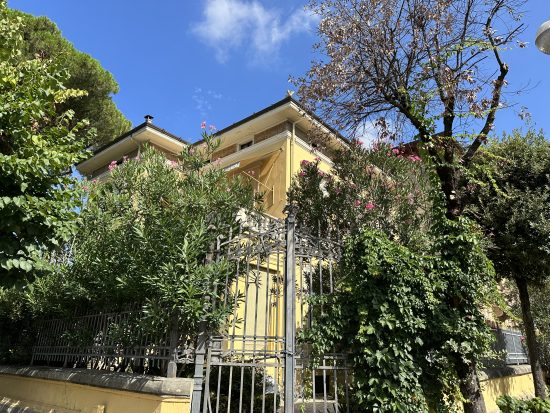
Giulio Bernardini was the Pescia architect who oversaw the urban planning of Montecatini Terme, inspired by the model of European “Villes d’eaux,” with tree-lined avenues and refined residences.
The route of the elegant residences
In an ideal journey to discover the elegant buildings of the Pescia architect, the first point of interest would surely be the Kursaal, partly designed by Bernardini; then follow Villino Parenti on Viale Amendola and Villino Fedeli on the corner of Viale Libertà.
The history of the Parenti Villino
Villino Parenti was built in 1911 for health inspector Giovanni Parenti. As was also the case for the doctor Scalabrino, in the Parenti residence private and working life were intertwined: in fact, the top floor of the villas was intended for their professional practice.
The strategic location
The Villino was built at an angle with Viale della Quieta, with the main front facing south and featuring a large corner balcony with a loggia: the designer’s intent was precisely to create continuity between garden and loggia.
The architectural features
The facade is embellished with polychrome frescoed decorations and sophisticated details, such as the pyramidal relief studs painted in the eaves and balcony elements.
The cottage to date is privately owned and not open to the public.
Vacation ideas
Great SPA towns of Europe: Montecatini Terme is a UNESCO world heritage site
Since July 24, 2021, Montecatini Terme has officially become part of an extraordinary cultural project: the Great Spa Towns of Europe, recognized as a UNESCO World Heritage Site.
Tuscany, land of wines and authentic flavors
Tuscany, with its gentle rolling hills, rows of vines tracing geometries across the landscape, and olive groves glistening in the sun, tells a millennia-old story of agriculture and deep respect for the land.
A journey among the historic Montecatini spas
To stroll through Montecatini’s historic spas is to embark on a journey through time, where water becomes not only a source of well-being but also the inspiring muse of majestic architecture and refined decorations.
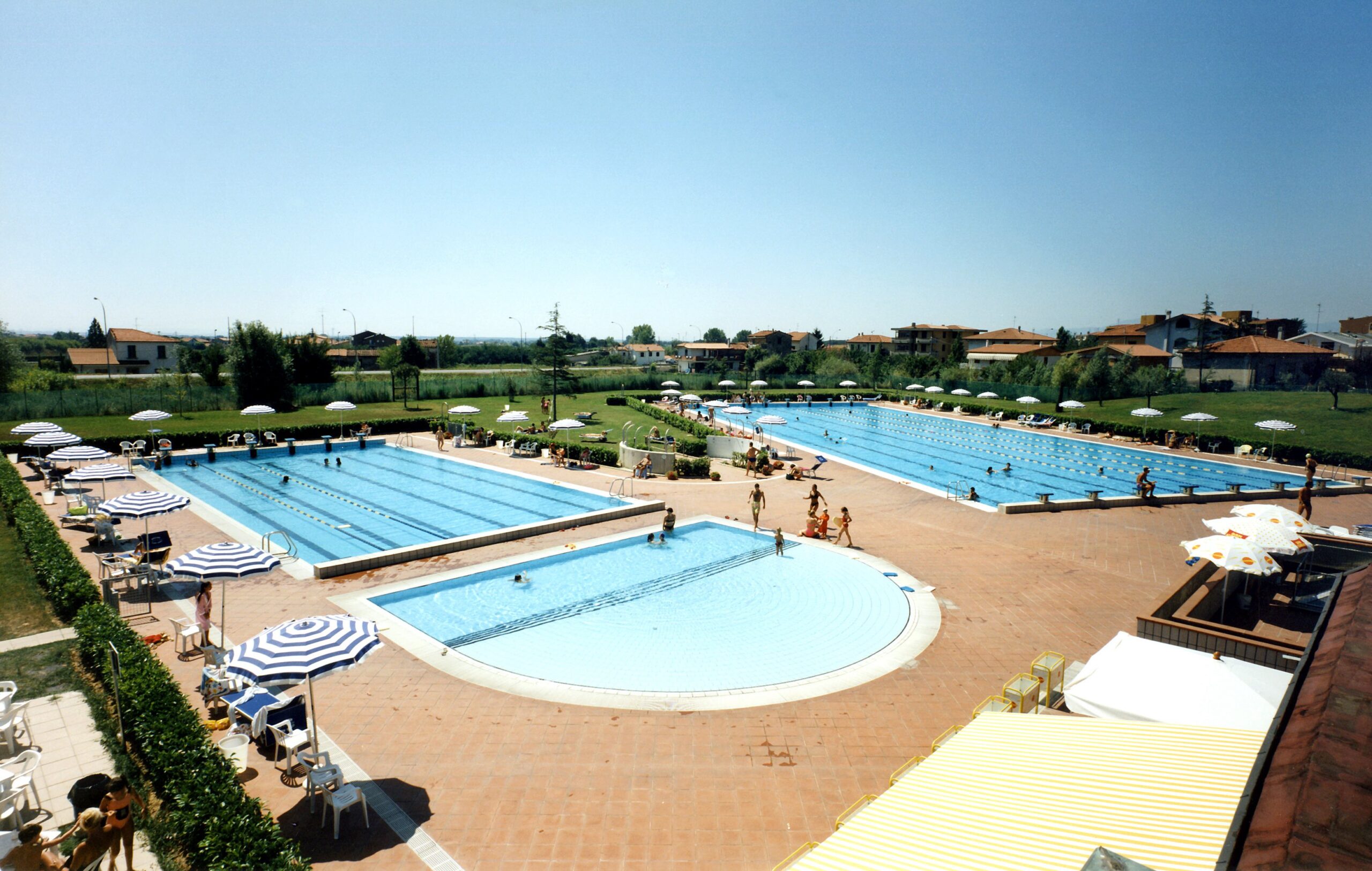
The Montecatini Swimming Center is the one-stop shop for those who want to enjoy water activities in a modern and welcoming environment.
It offers a wide range of classes designed for all ages and levels, from beginner training to water fitness activities.
Indoor and outdoor swimming pools, year-round
The facility has both indoor and outdoor pools, perfect for training or relaxing in any season. During the summer, the outdoor area becomes an ideal space for enjoying the sun, while in the colder months the indoor pools provide continuity for sports activities.
Courses, wellness and free swimming
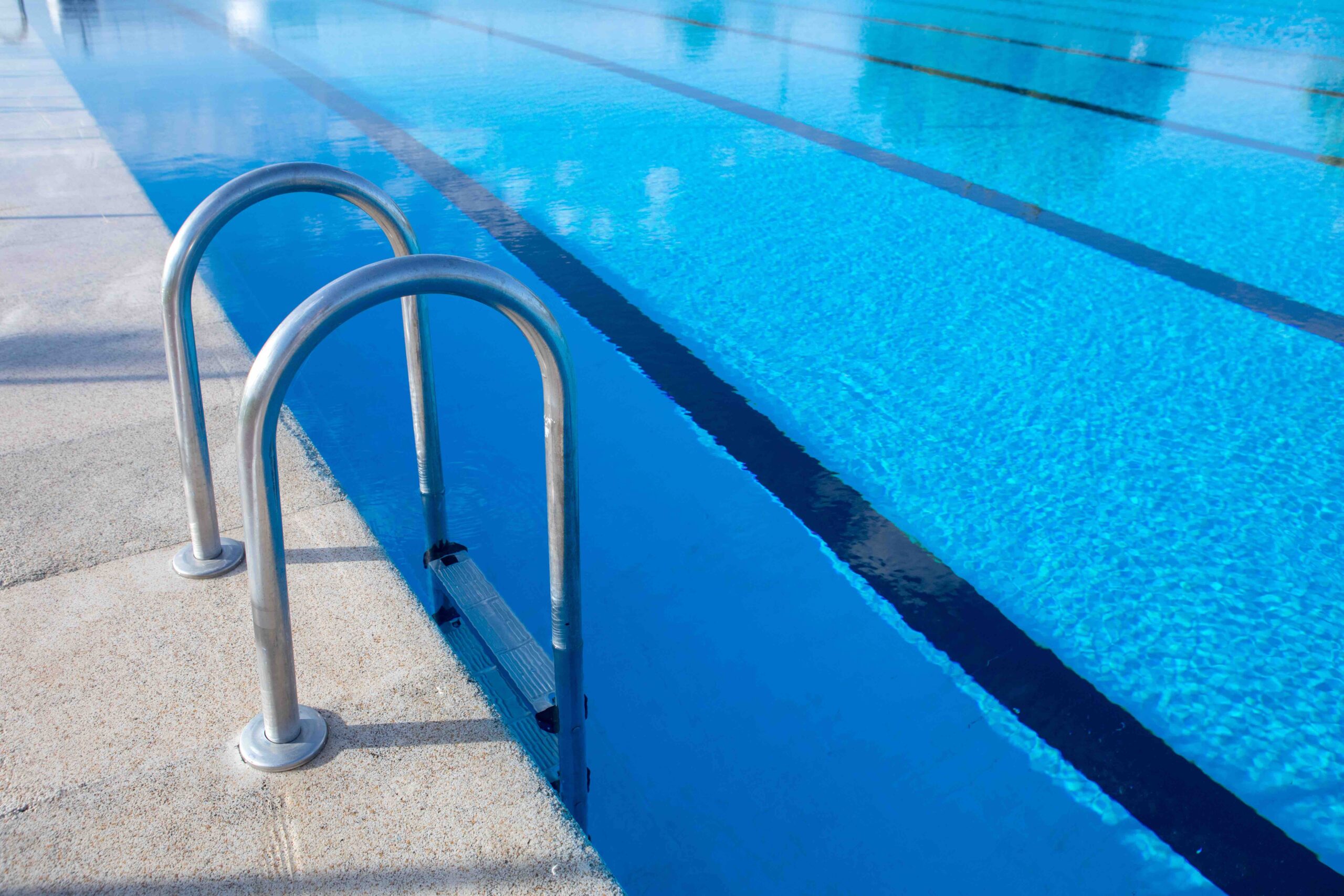
Lonely olympic pool with a blue water ready to swim
In addition to swimming lessons for children, teens and adults, the center offers fitness sessions, athletic training activities and free swimming, always under the supervision of qualified instructors.
The territory of Montecatino lends itself magnificently to exploration: panoramic paths wind through centuries-old olive groves and lush vineyards, offering breathtaking views of the Valdinievole.
A journey among the historic Montecatini spas
To stroll through Montecatini’s historic spas is to embark on a journey through time, where water becomes not only a source of well-being but also the inspiring muse of majestic architecture and refined decorations.
Great SPA towns of Europe: Montecatini Terme is a UNESCO world heritage site
Since July 24, 2021, Montecatini Terme has officially become part of an extraordinary cultural project: the Great Spa Towns of Europe, recognized as a UNESCO World Heritage Site.
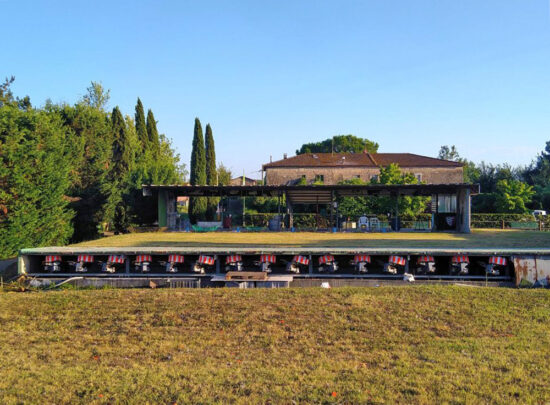
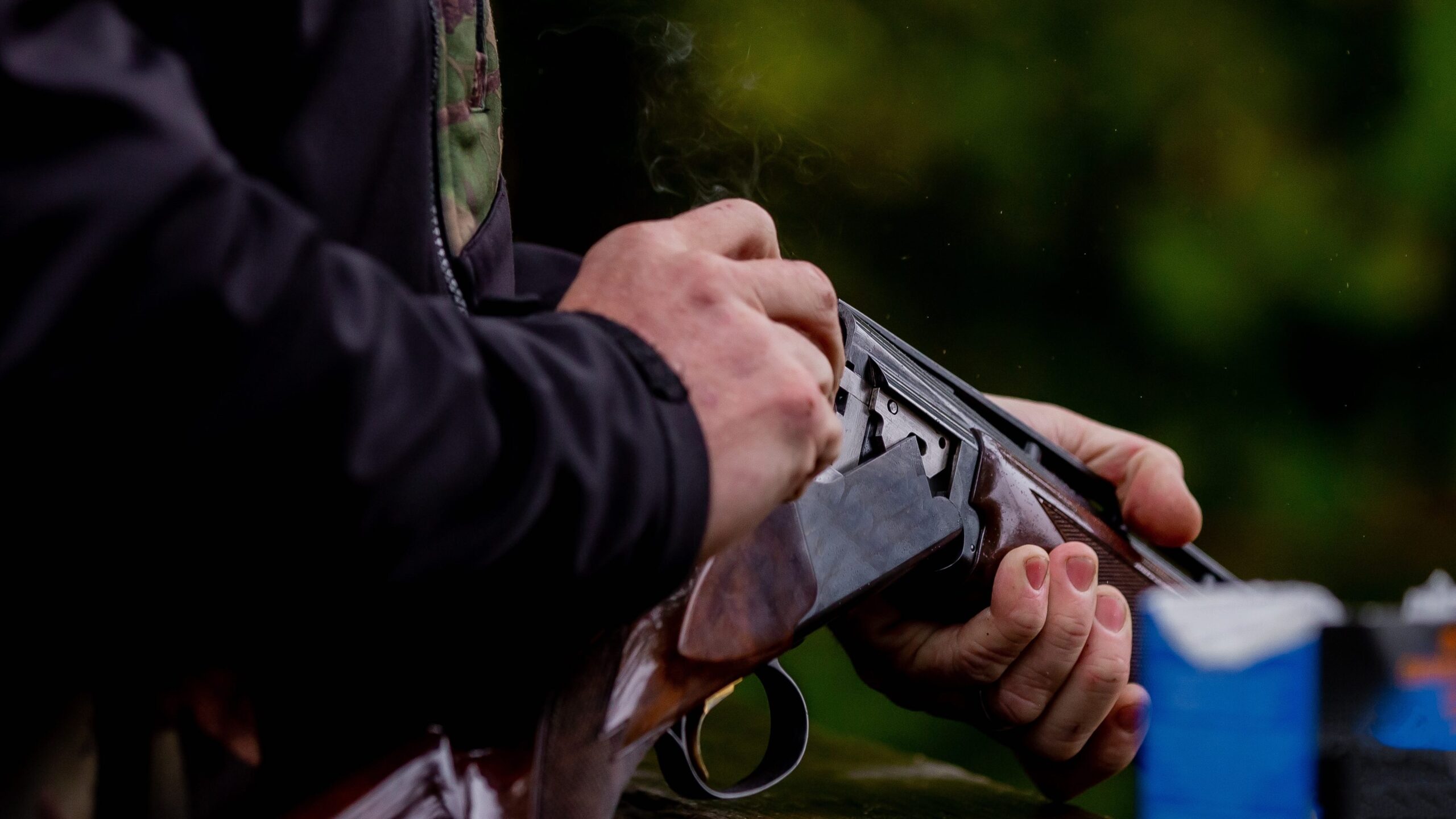
Located in the nearby town of Pieve a Nievole, just minutes from Montecatini Terme, the Shooting Center is one of the most comprehensive and renowned facilities in Tuscany.
A place of national appeal as well, where sports, precision and passion meet.
A state-of-the-art facility
The center is equipped with highly specialized facilities that make it suitable for both amateur and professional competitions. Available to sportsmen and women:
1 Double Trap field
4 Skeet fields
6 Olympic Pit fields
2 Hunting Trail Fields
1 field from Compak Sporting
1 American Trap court
High-level experience, technique and training
The facility employs qualified instructors, including Olympic champions and experts in the field. An ideal environment for those who wish to approach shooting or perfect their technique with the support of top professionals.
The territory of Montecatino lends itself magnificently to exploration: panoramic paths wind through centuries-old olive groves and lush vineyards, offering breathtaking views of the Valdinievole.
A journey among the historic Montecatini spas
To stroll through Montecatini’s historic spas is to embark on a journey through time, where water becomes not only a source of well-being but also the inspiring muse of majestic architecture and refined decorations.
Great SPA towns of Europe: Montecatini Terme is a UNESCO world heritage site
Since July 24, 2021, Montecatini Terme has officially become part of an extraordinary cultural project: the Great Spa Towns of Europe, recognized as a UNESCO World Heritage Site.
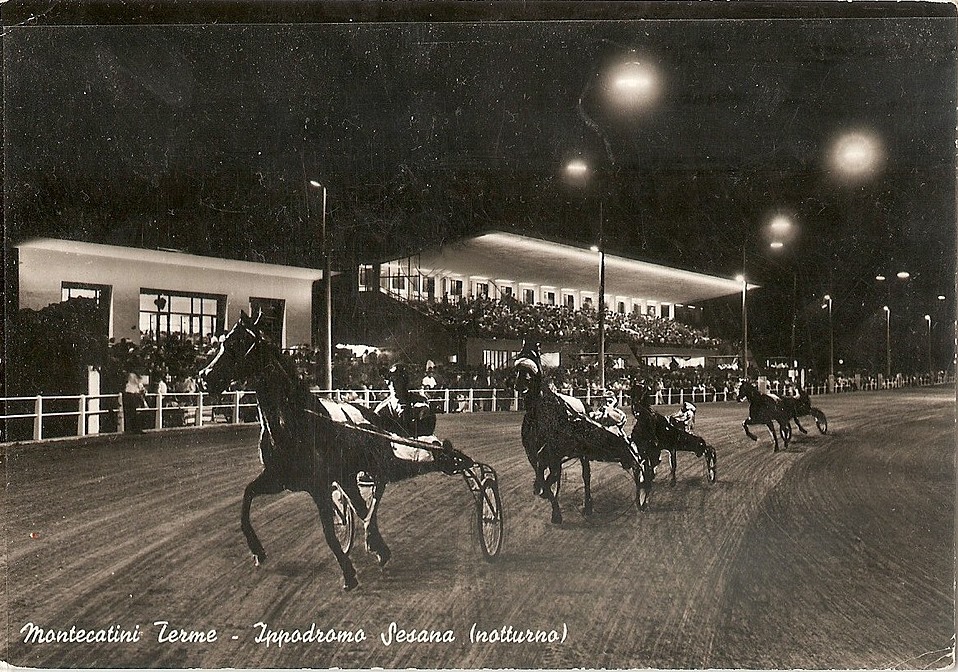
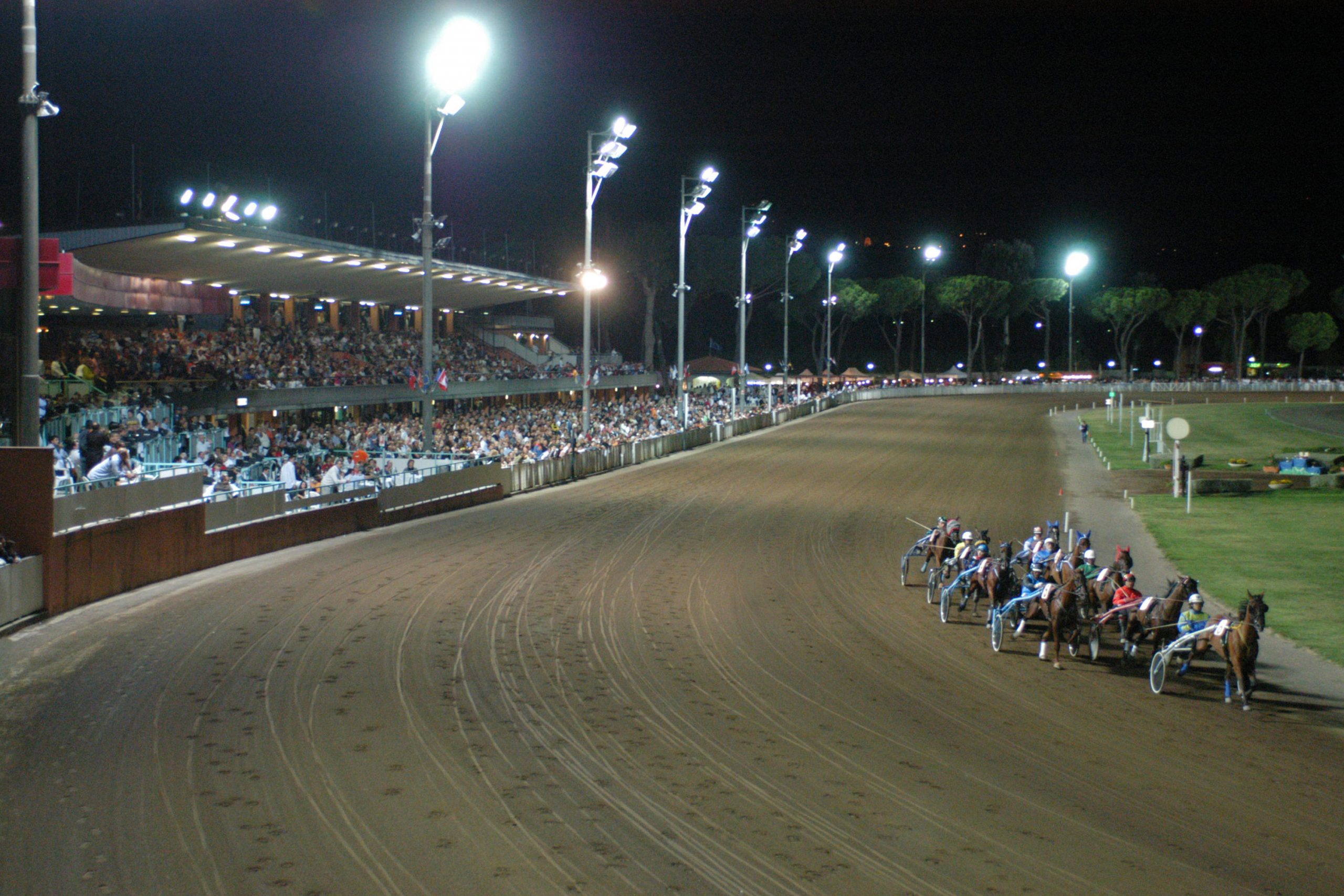
Just a stone’s throw from the railway line, the Sesana Hippodrome is one of Montecatini Terme’s landmarks.
With a capacity of up to 16,000 spectators and an 800-meter-long by 20-meter-wide track, it offers a compelling and engaging experience for all lovers of horse racing and outdoor events.
A legendary name
The racetrack is named after Baron Giuseppe Sesana, a central figure in the history of Italian horse racing. Over the years it has hosted prestigious prizes and spectacular races with the participation of famous drivers and horses, leaving a mark in the memory of fans.
Summer lights up with entertainment
Open from spring to late summer, the Sesana Racecourse comes alive especially during the summer season, with a full calendar of night races from June to September, made possible by a modern lighting system that envelops the entire circuit.
The Montecatini City Grand Prix
The highlight of the calendar is the Montecatini City Grand Prix, scheduled every August 15: a day of great celebration, tradition and adrenaline, enhanced by shows, side events and a unique atmosphere that attracts audiences from all over Italy.
The territory of Montecatino lends itself magnificently to exploration: panoramic paths wind through centuries-old olive groves and lush vineyards, offering breathtaking views of the Valdinievole.
A journey among the historic Montecatini spas
To stroll through Montecatini’s historic spas is to embark on a journey through time, where water becomes not only a source of well-being but also the inspiring muse of majestic architecture and refined decorations.
Great SPA towns of Europe: Montecatini Terme is a UNESCO world heritage site
Since July 24, 2021, Montecatini Terme has officially become part of an extraordinary cultural project: the Great Spa Towns of Europe, recognized as a UNESCO World Heritage Site.
Gestisci Consenso
Per fornire le migliori esperienze, utilizziamo tecnologie come i cookie per memorizzare e/o accedere alle informazioni del dispositivo. Il consenso a queste tecnologie ci permetterà di elaborare dati come il comportamento di navigazione o ID unici su questo sito. Non acconsentire o ritirare il consenso può influire negativamente su alcune caratteristiche e funzioni.
Funzionale
Always active
L'archiviazione tecnica o l'accesso sono strettamente necessari al fine legittimo di consentire l'uso di un servizio specifico esplicitamente richiesto dall'abbonato o dall'utente, o al solo scopo di effettuare la trasmissione di una comunicazione su una rete di comunicazione elettronica.
Preferenze
L'archiviazione tecnica o l'accesso sono necessari per lo scopo legittimo di memorizzare le preferenze che non sono richieste dall'abbonato o dall'utente.
Statistiche
L'archiviazione tecnica o l'accesso che viene utilizzato esclusivamente per scopi statistici.L'archiviazione tecnica o l'accesso che viene utilizzato esclusivamente per scopi statistici anonimi. Senza un mandato di comparizione, una conformità volontaria da parte del vostro Fornitore di Servizi Internet, o ulteriori registrazioni da parte di terzi, le informazioni memorizzate o recuperate per questo scopo da sole non possono di solito essere utilizzate per l'identificazione.
Marketing
L'archiviazione tecnica o l'accesso sono necessari per creare profili di utenti per inviare pubblicità, o per tracciare l'utente su un sito web o su diversi siti web per scopi di marketing simili.