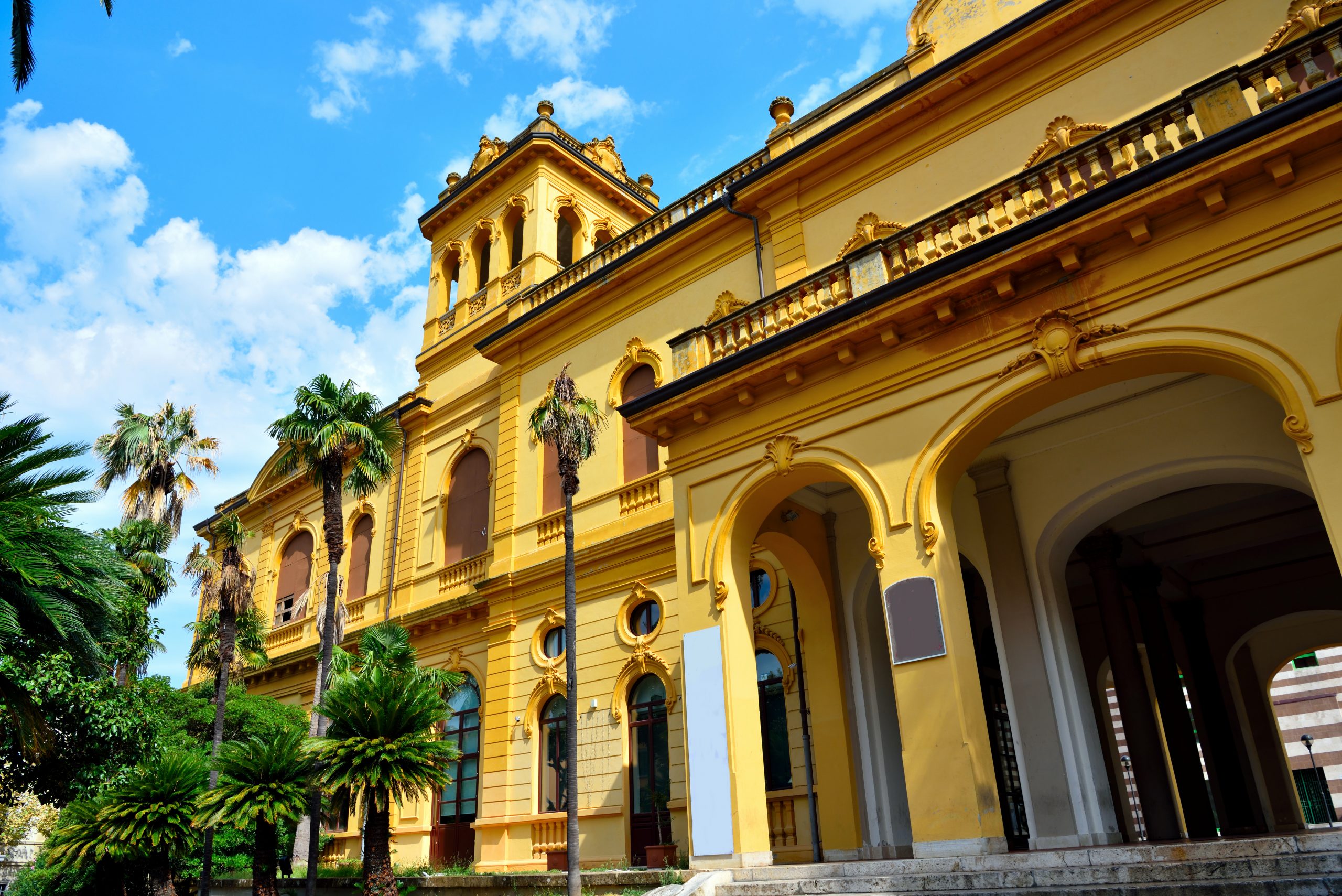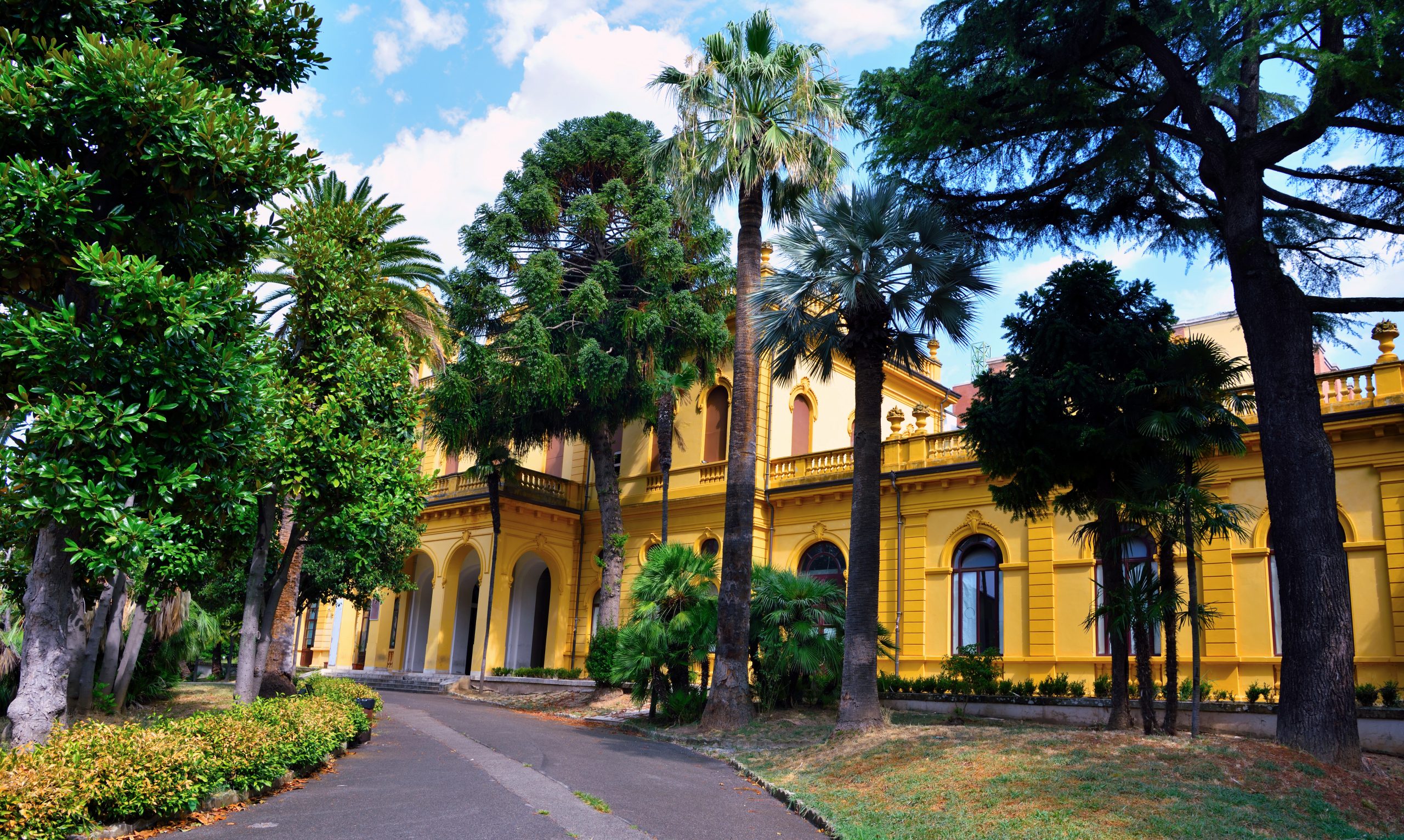
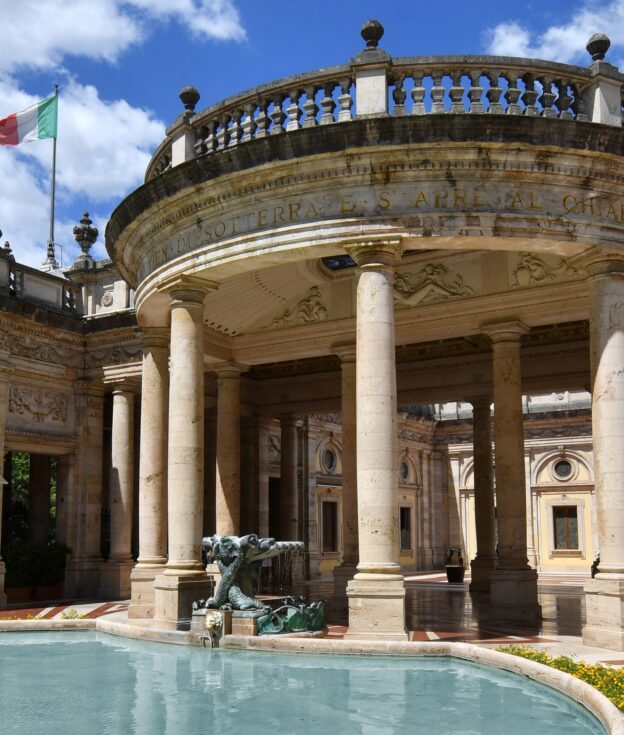
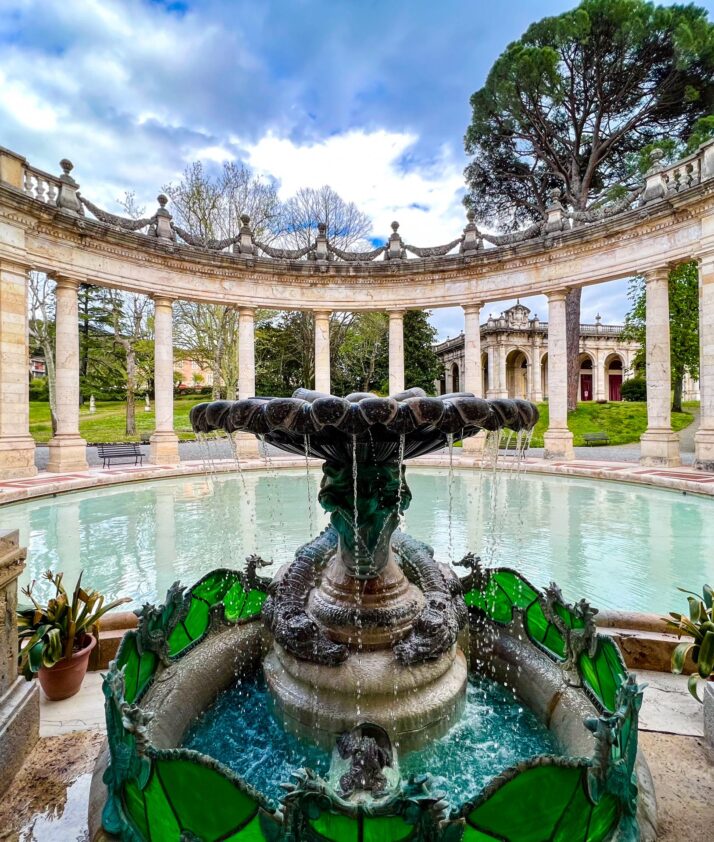
In front of the Regina Establishment, in the luxurious Tettuccio Park, is the fountain of the heron, the symbolic animal of Montecatini Terme, and the frog.

The work of Raphael Romanelli
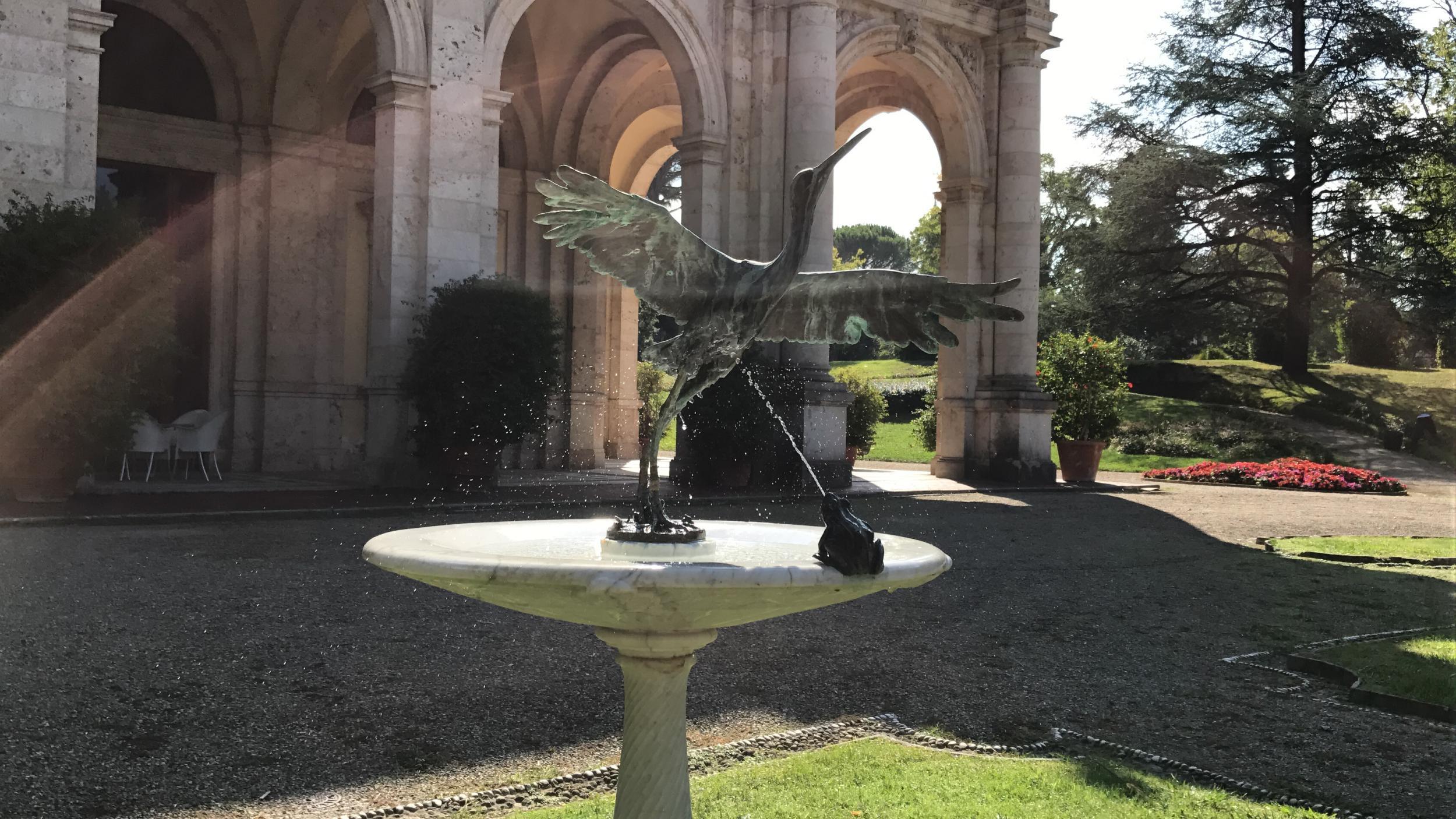
Created in 1925 by sculptor Raffaello Romanelli, the fountain is an allegory of the evolution of the Valdinievole from a swampy and unhealthy area into an area with renowned beneficial properties precisely because of its thermal waters.

The era of epidemics

Before the great land reclamation, the Valdinievole valley went through a very difficult period: between 1550 and 1756 it was struck numerous times by epidemics and famine precisely because of the thermal waters that rose to the surface and stagnated in the craters.

The enlightened work of the Grand Duke

The reclamation work was promoted by Grand Duke Peter Leopold of Lorraine, who is in fact considered the enlightened founder of the spa complex. The Grand Duke’s merit was to transform the cause of a territory’s malaise into its source of wealth.

The emergence of spas

In 1773 the first establishment, the Bagno Regio, was built, followed in 1775 by the Terme Leopoldine and in 1779 by the renowned Tettuccio.

The legend told to children

A cute nursery rhyme for children, written by Bruna Rossi with illustrations by Maria Chiara Sbolci, tells the story of Montecatini through the heron and the frog: “In that rather damp land you didn’t get warm with fur! It was a bit of a lonely valley, but it had a really diverse fauna.”

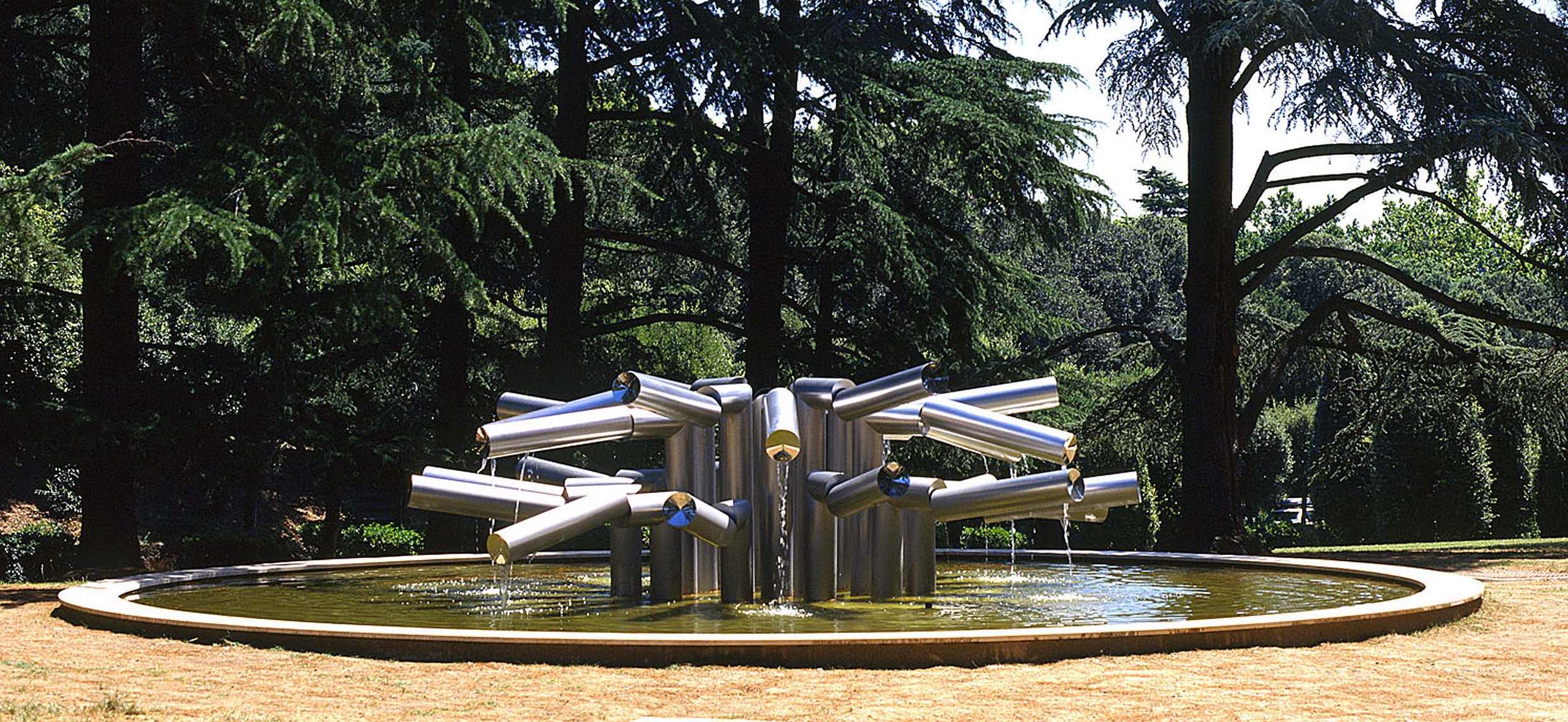
Belgian artist Pol Bury’s Water Sculpture is the most recent of several fountains celebrating Montecatini’s deep connection with its renowned hot springs. Installed in 2004 at the Thermal Park near the former Torretta Plant, this work has an interesting history.

It was in fact exhibited as early as the 1970s by the artist at the Guggenheim in New York, only to be generously donated by the Fondazione Cassa di Risparmio di Pistoia e Pescia.

Aquatic Harmonies and Movement

The modern forms of Bury’s sculpture recall Japanese artist Susumu Shingu’s Water Duet, located adjacent to the Tettuccio Plant. Both works feature metal cylinders whose movement, activated by hydraulic force, creates delicate sound effects. Here, too, the sound of water and evocative melody come together in a harmonious hymn to Montecatini’s prodigious hot springs.


Arriving in the central square of Montecatini Alto, it is possible to perceive that intimate atmosphere that characterizes the entire village and that particularly struck Giuseppe Giusti, the Monsumman poet after whom the square is named. A place, therefore, devoted to art right from its name.

A building with a unique character

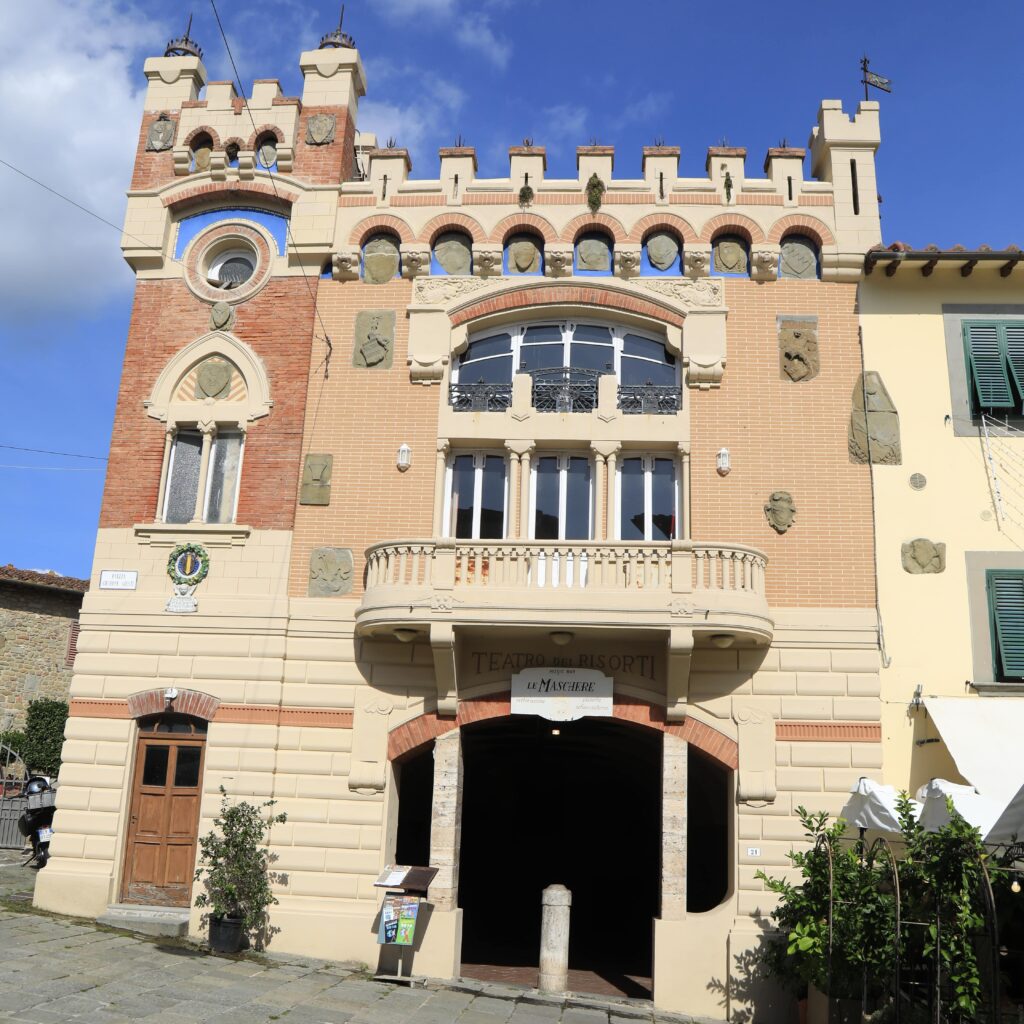
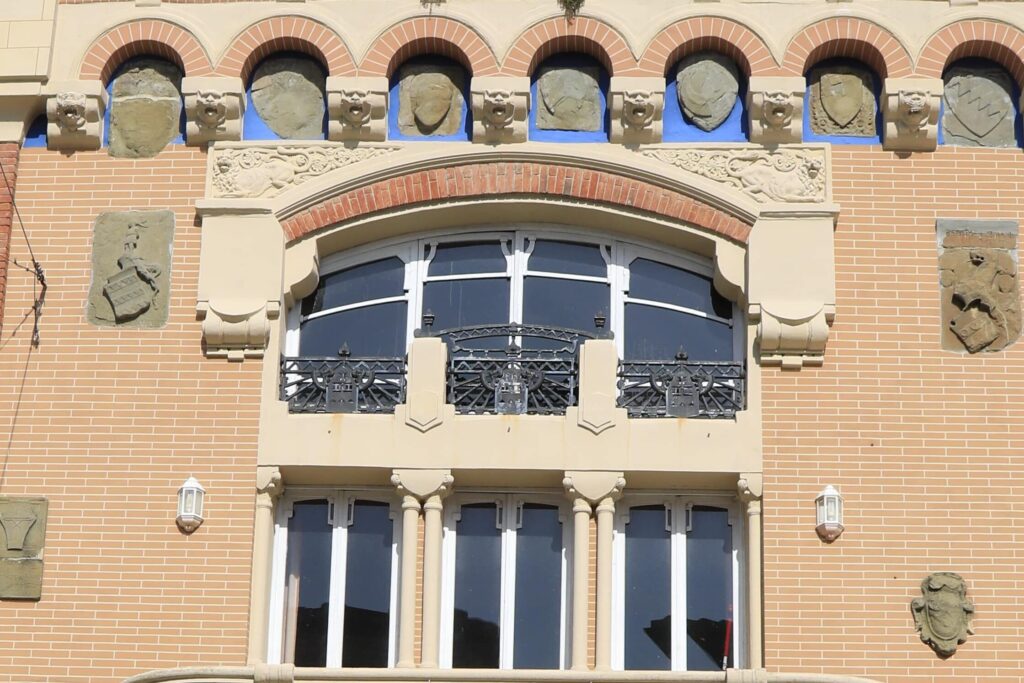
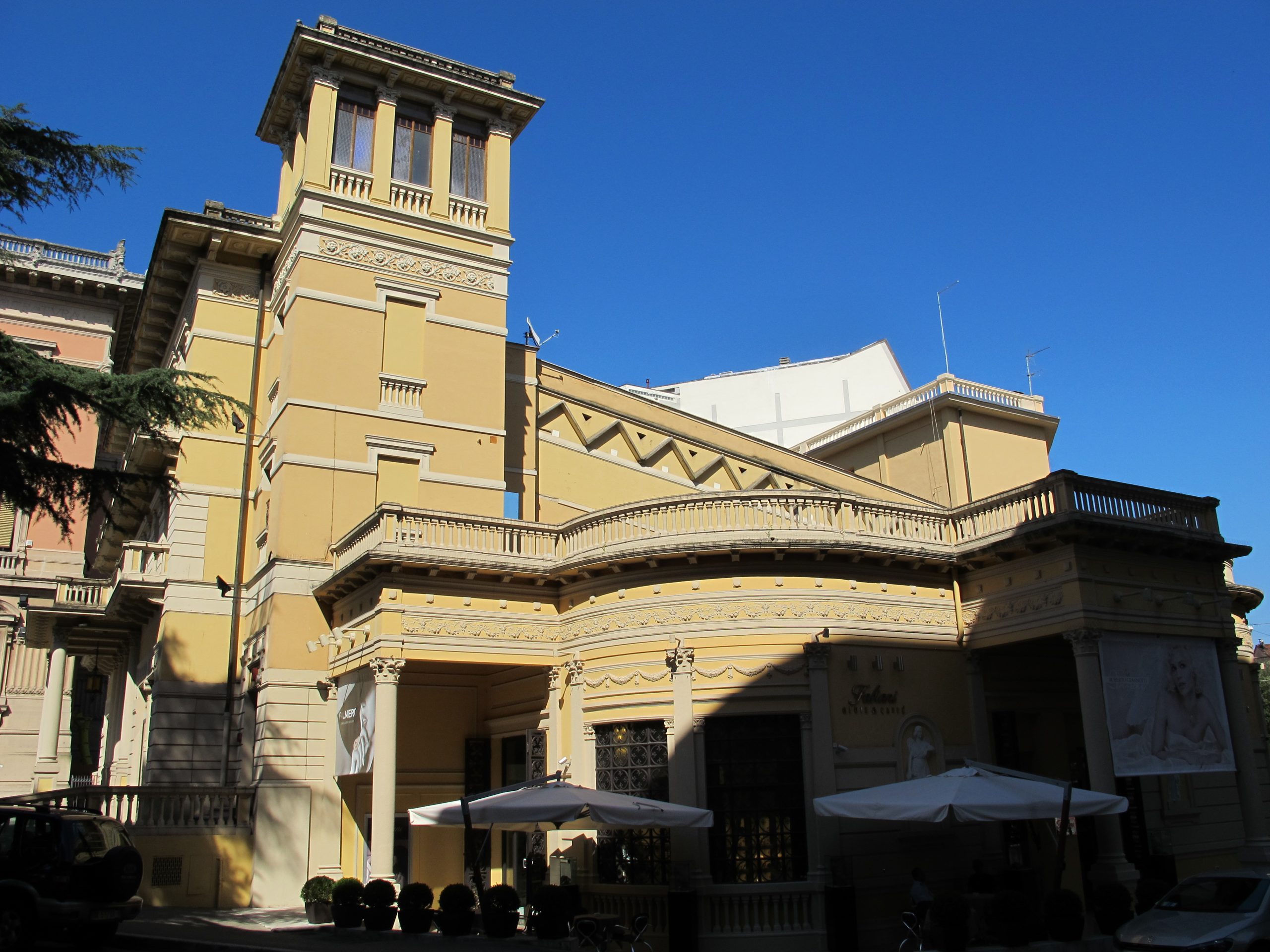
And it is here that one of the village’s most distinctive buildings is located, the so-called Teatro dei Risorti, which from the mid-18th century became the home of the Accademia dei Filodrammatici. Its eclectic facade certainly makes it the most unique building in the village.

Teatro dei Risorti

The history of the building

The theater developed from the expansion of a 14th-century town-owned building known as the “Loggia del Parlascio,” as assemblies and markets were held here.

The birth of the Theatre of the Risen

The upper floor was occupied, beginning in the early nineteenth century, by the Theatre of the Risen. This name symbolically declared the rebirth to new life of the Filodrammatici, which had decayed during the 18th century.

Teatro dei Risorti

The Stars of Italian Operetta

A number of important performers of Italian Operetta, such as Guido Riccioli, Ettore Petrolini and Fernanda Primavera, performed on the stage of the theater.

The transformation to cinema

During the 1950s, the theater also became a cinema, replacing the stage backdrop with a screen painted white.

A unique historical heritage

The Teatro dei Risorti certainly represents one of the oldest theater spaces in the province of Pistoia, a living testimony to the rich cultural tradition of the area.


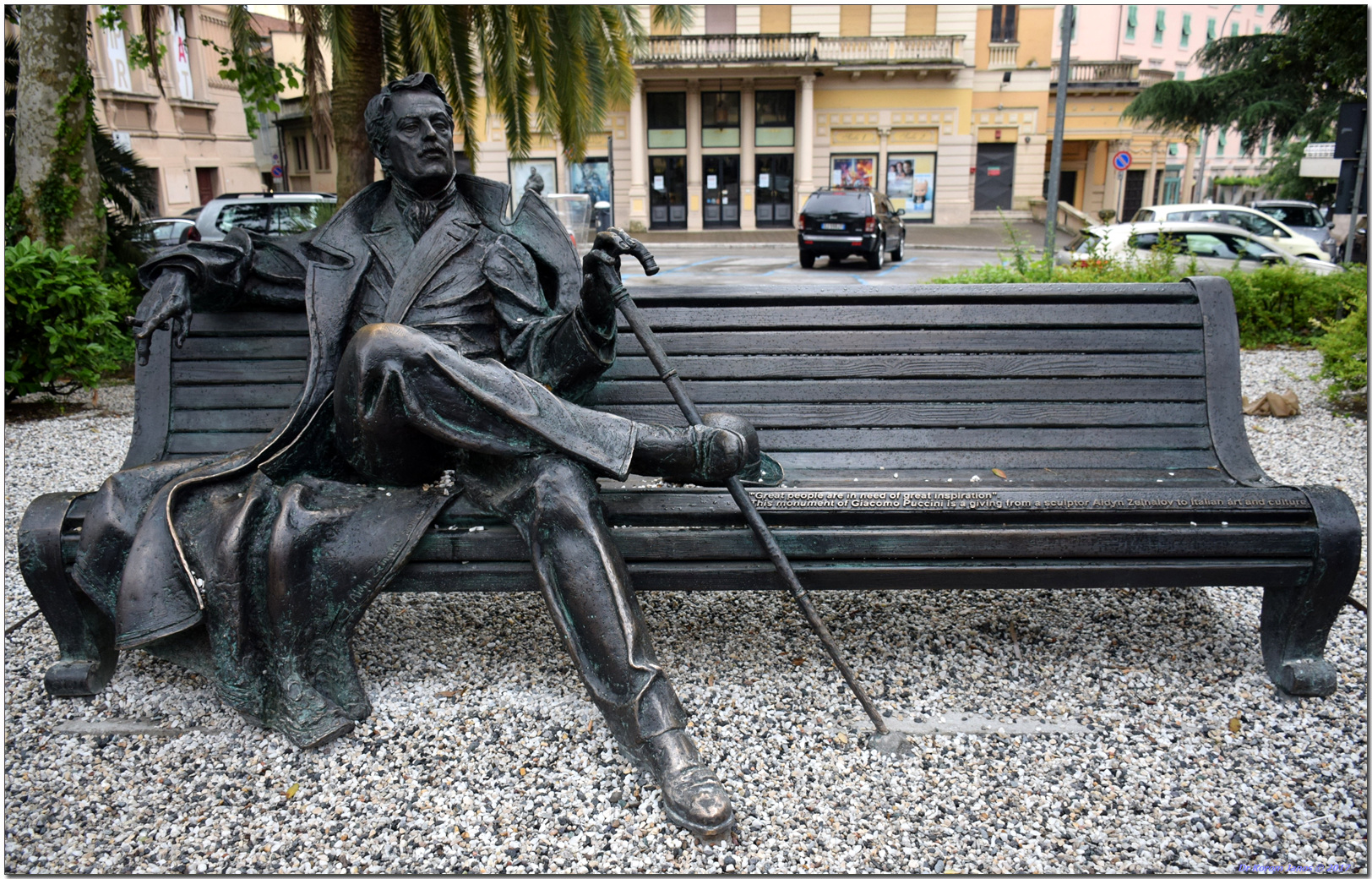
Great people are in need of great inspiration – This monument of Giacomo Puccini is a giving from a sculptor to Italian culture.”

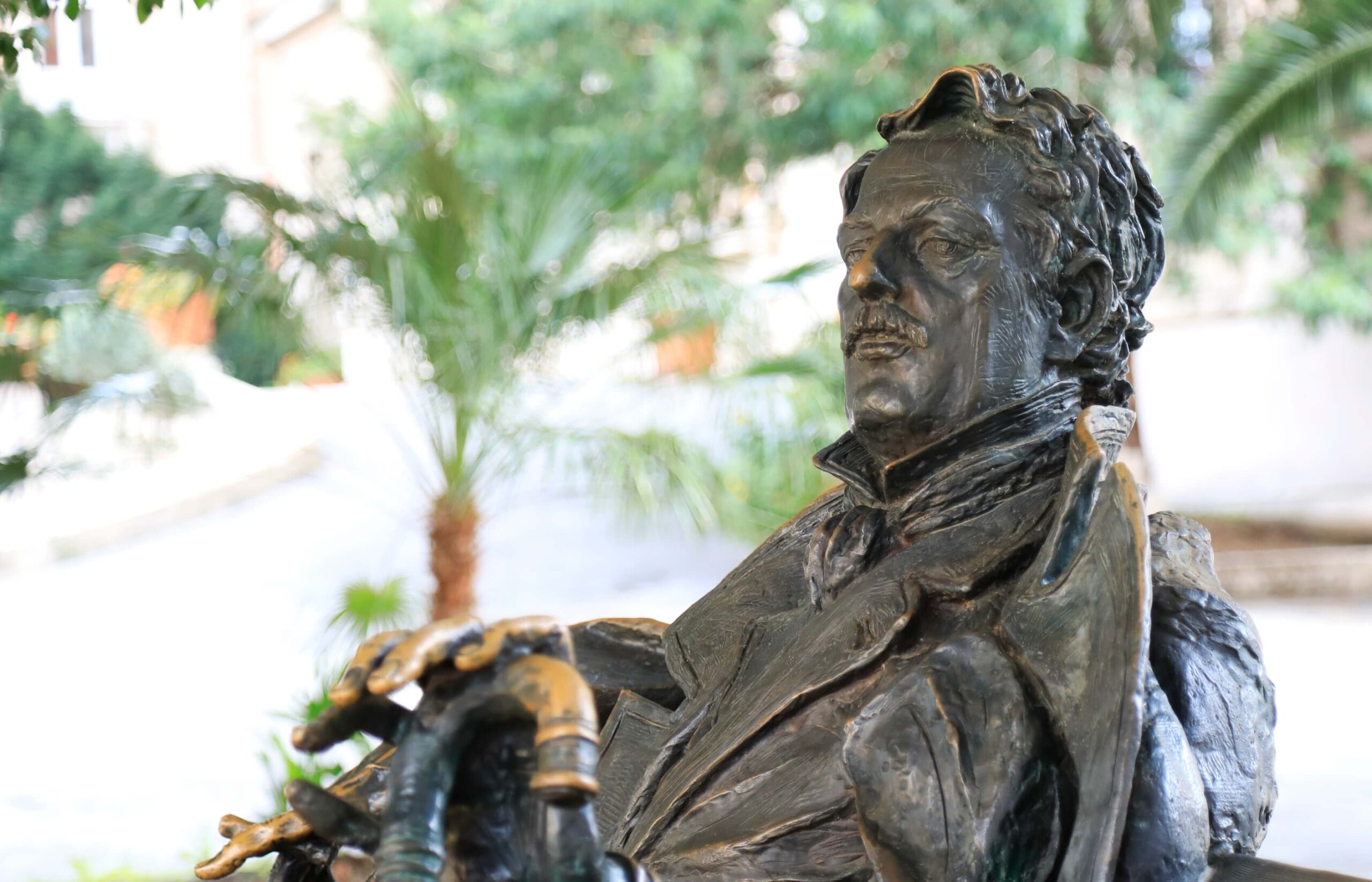
With this touching dedication, Russian sculptor Aidyn Zeinalov donated his statue of Giacomo Puccini to Montecatini Terme. The famous composer from Lucca loved to stay in the spa town to find harmony and inspiration.

A tribute to the artist

The bronze sculpture depicts Puccini in a completely relaxed pose: seated on a bench, the artist enjoys his unmistakable cigar while gazing at the Palazzina Regia in the shade of the trees. Indeed, Montecatini Terme was a refuge for musicians and composers, a place where they could leave behind the hustle and bustle of the city and find the contemplation necessary for inspiration.

Strategic location

Statua Puccini

The statue is placed in a focal point of the city, at the beginning of Viale Verdi, in a small garden between the Imperial Cinema, the Municipal Palace and the Palazzina Regia. The serene pose of the statue seems to anticipate the experience that awaits the visitor: a stay in Montecatini Terme is an invitation to enjoy lush nature and the benefits of its thermal waters.


Between the nineteenth and twentieth centuries Montecatini Terme became an emblem of the Italian Belle Époque and a source of inspiration for many generations of artists thanks to the fairy-tale architecture of its buildings.

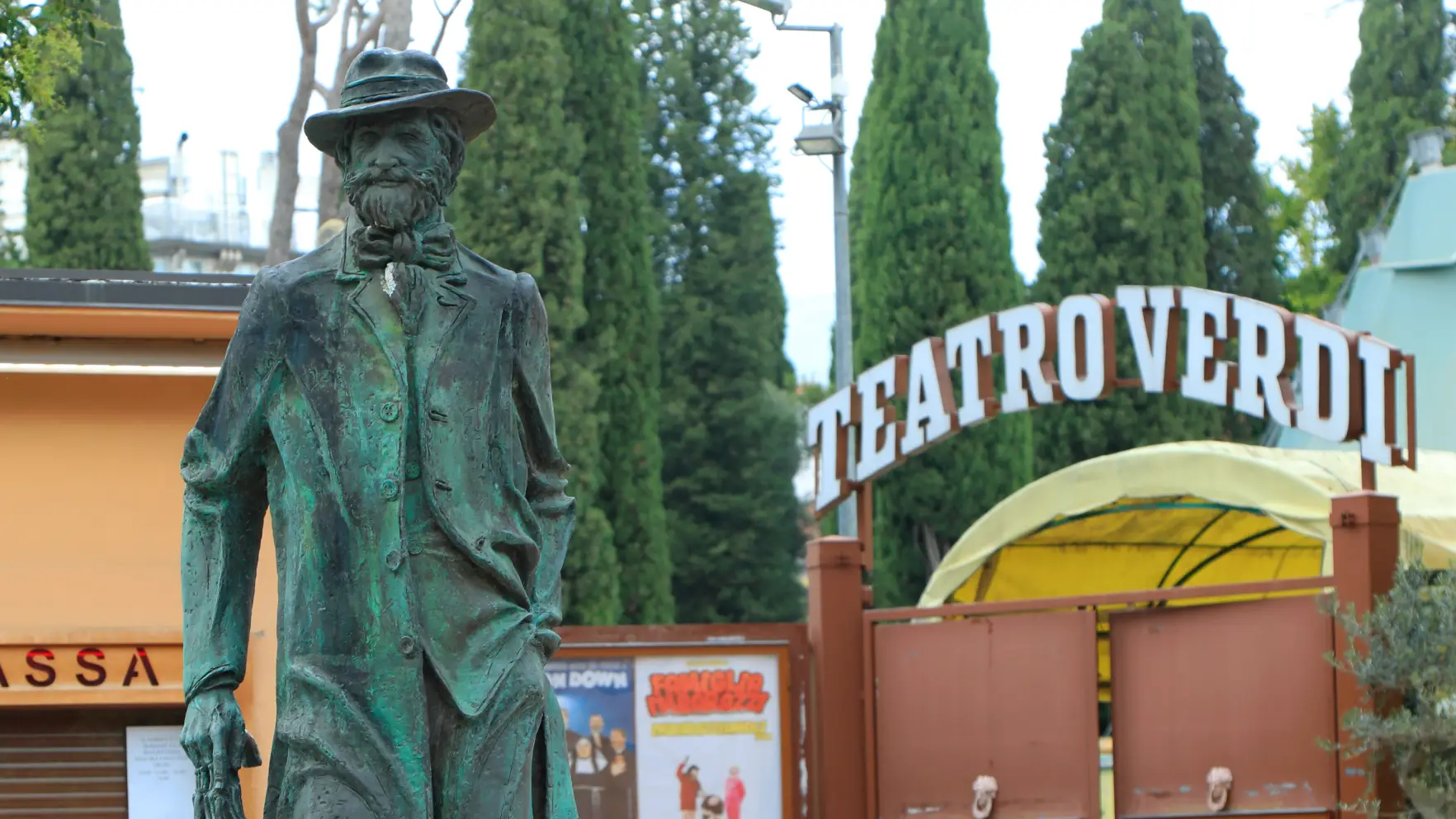
Some of the city’s venues were the perfect setting for performances by numerous playwrights: examples include the Teatro Verdi, the Teatro dei Risorti and the Kursaal Complex, a true landmark of Montecatini Terme’s social life.

The foundation

The Kursaal Complex was founded by the Milanese company De Marchi Gherini in 1907, designed by architects Carbinati and Garbagnani. It initially housed a theater, restaurant, café and garage inside.

The theater season

The summer performance series, which ran from June 1 through Sept. 30, featured some of the most well-known theater companies on the peninsula.

Expansion and new services

In the following years, the Complex was expanded with new entertainment areas designed for its guests: the luxurious casino, shooting galleries, Italy’s first outdoor cinema, and two dance floors, one indoors and the other outside the facility, were added.

The new cinema theater

In 1957 the new cinema theater was opened, which hosted important shows and nationally renowned artists, such as Totò.

The golden age and transformation

The Kursaal was until the 1980s the landmark of Montecatini’s and all of Tuscany’s social life.

Aldo Rossi’s project

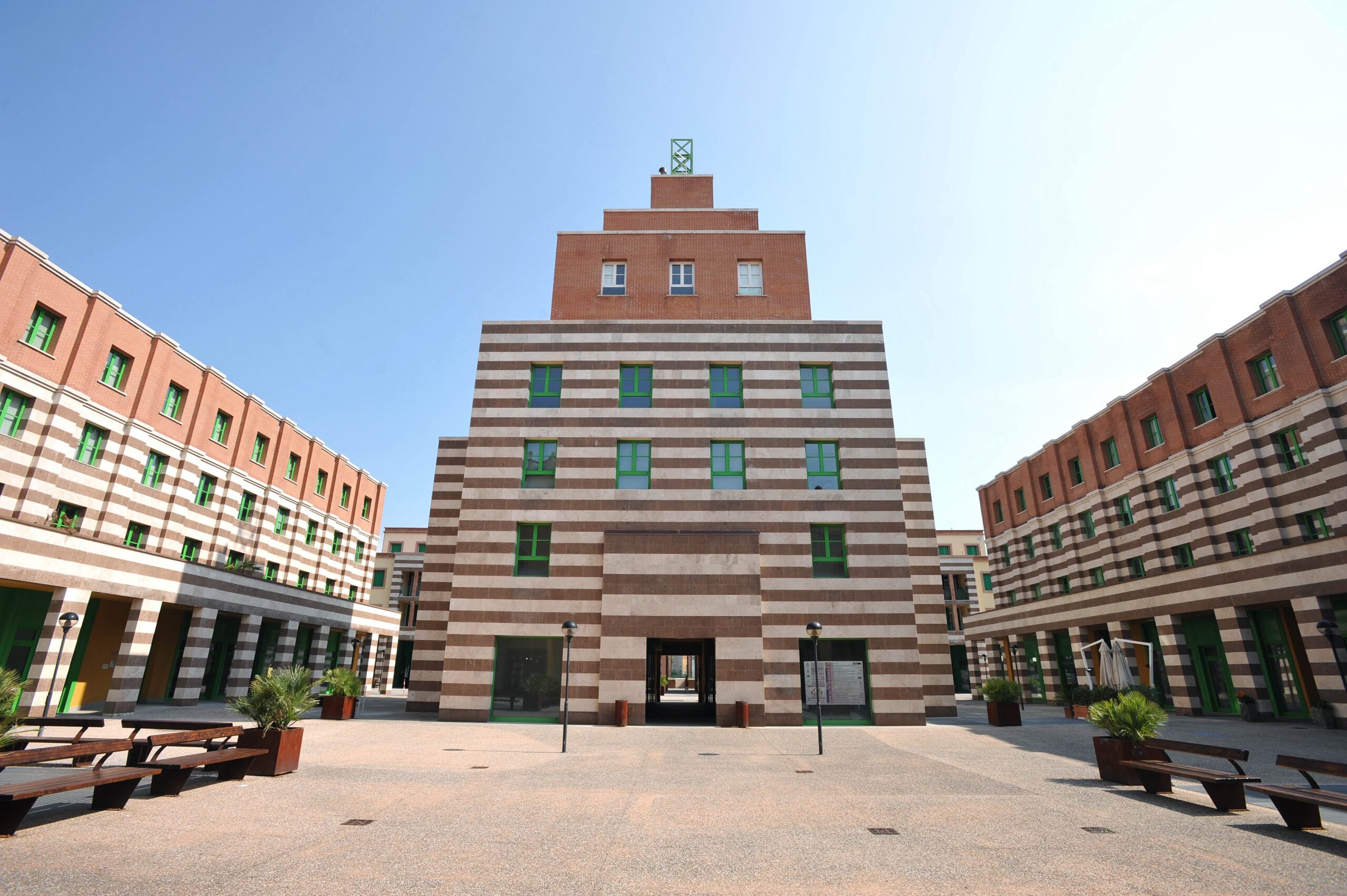
Of the original construction to this day the facade, inner portico and green space in front remain. In fact, a commercial and residential complex was built on a design by architect Aldo Rossi in the area vacated by the historic structure, a project later carried on by the Monaco company of Verona due to the architect’s untimely death.

The Kursaal today

The complex is still in use today and remains an important hub for city life, continuing to be a significant landmark in the urban landscape of Montecatini Terme.


The elegance and uniqueness of Montecatini Terme’s Art Nouveau style have always fascinated film directors around the world.

In fact, the city’s buildings and streets have been a perfect open-air set for some famous films such as “Oci ciornie” (1987), “Where are you going on vacation?” (1978) and “Camping” (1957), Franco Zeffirelli’s first film.

The temple of cinema

Cinema Excelsior

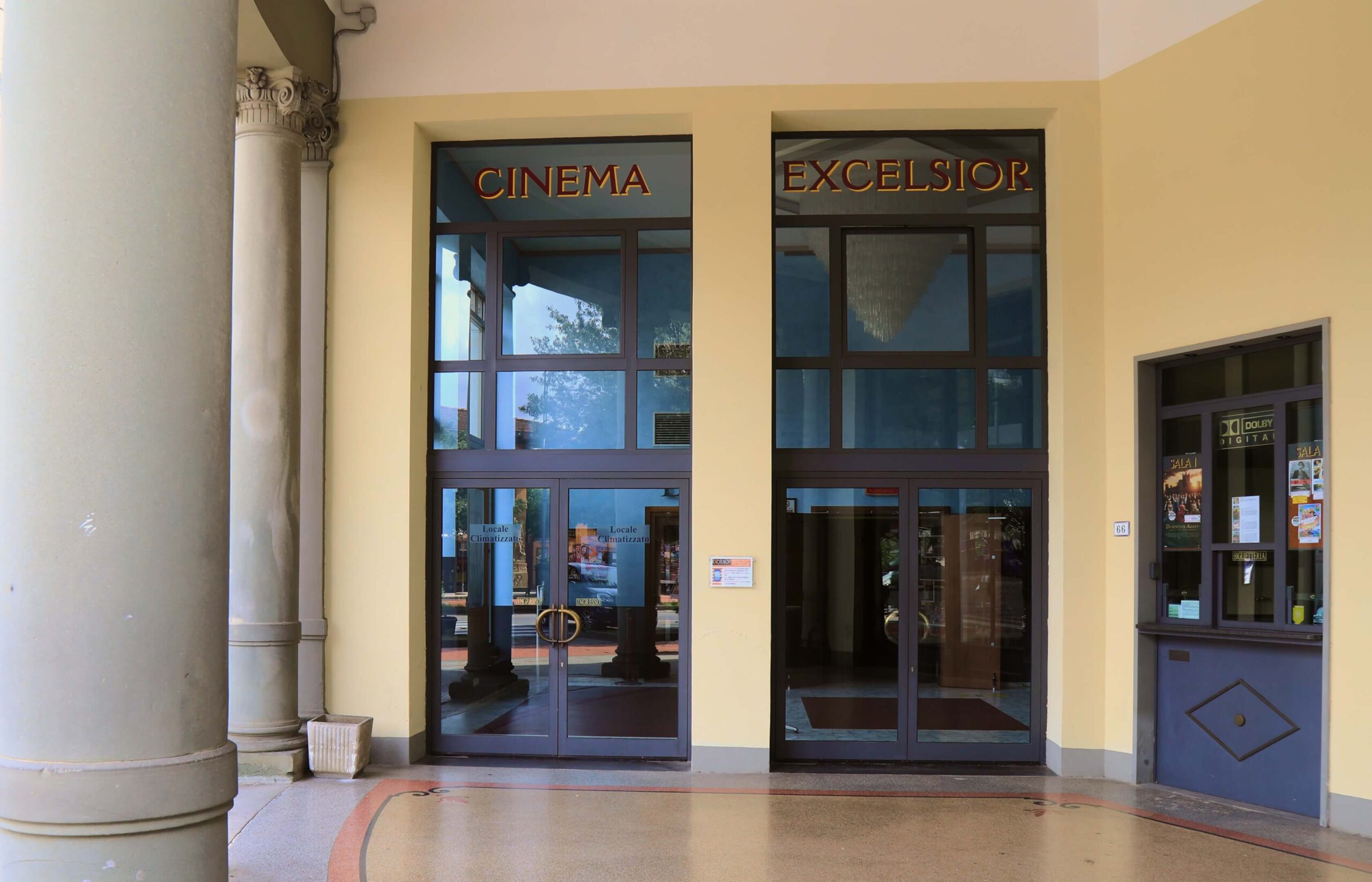
The place where these films were shown was the Cinema Excelsior, a sublime example of the architecture of Ugo Giovannozzi, the Florentine engineer responsible for the renovation of many of the city’s establishments in the early 20th century.

The history of the building

Cinema
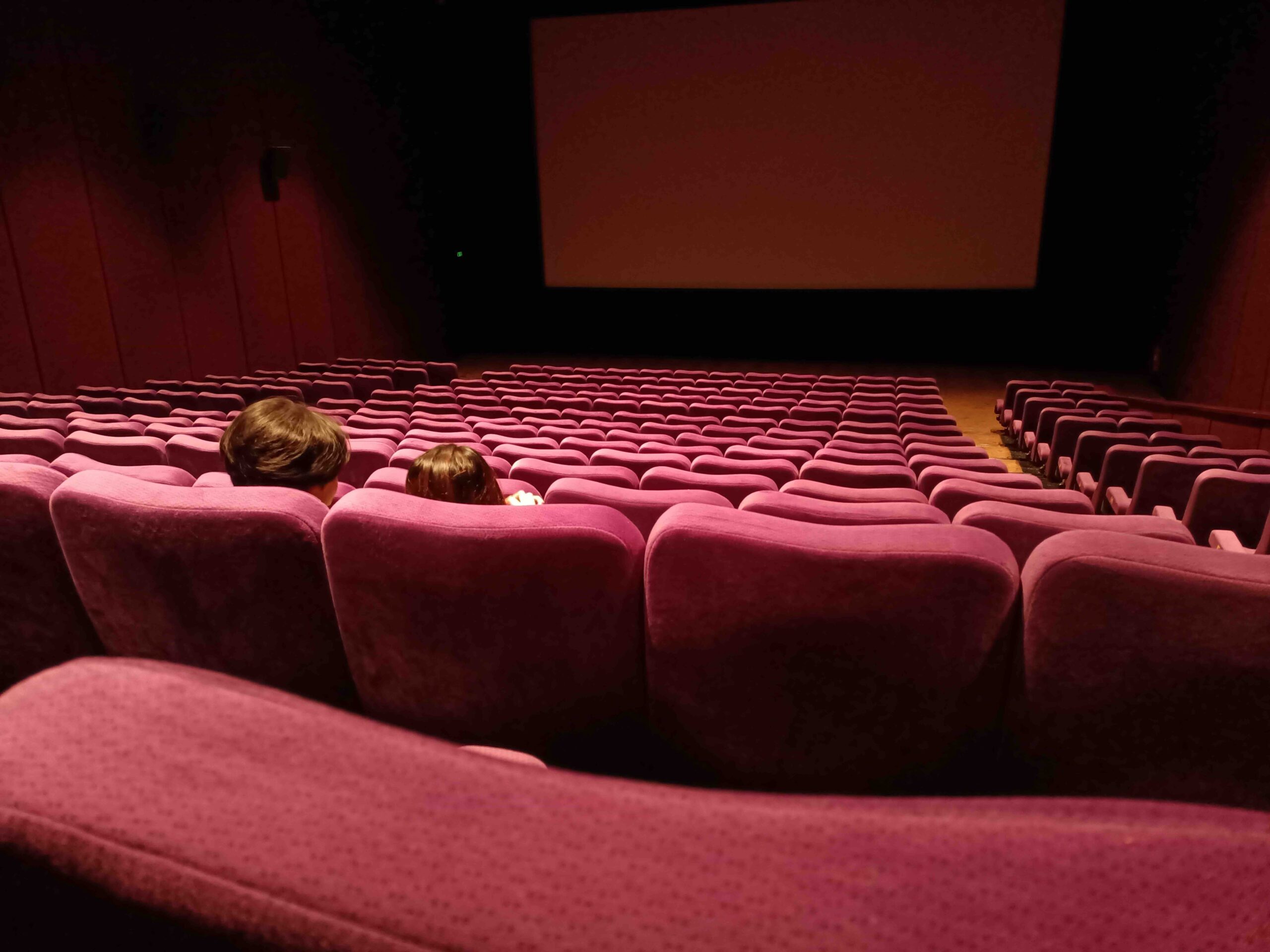
Inside the cinema, the big screen was empty and people in red chairs were ready to watch a film show

The Excelsior Cinema was renovated by Giovannozzi in 1922. The building was built in a particularly picturesque location near one of Montecatini’s many vanished springs, the so-called “Acqua della Speranza,” and the Birindelli house.

The architectural details

Cinema Excelsior

Some details of the Excelsior Cinema testify to Ugo Giovannozzi’s eclectic taste: the refined iron-and-glass canopy and the facade inspired by the Doric order of the Archaic period stand out.

The other works in the city

Going up Viale Verdi, it is possible to admire other buildings that the refined engineer had the merit of renovating, such as the Terme Leopoldine, Terme Tettuccio and Regina, all examples of his architectural mastery that helped define the Art Nouveau identity of Montecatini Terme.

Visit official website

Toward the middle of the nineteenth century Montecatini Terme became a valuable and prestigious European salon, unceasingly enriching itself with “new” architecture in the Art Nouveau style, characterized by peculiar traits of lightness and sobriety that were entirely personal

From the Politeama Theater to the Imperial Multiplex

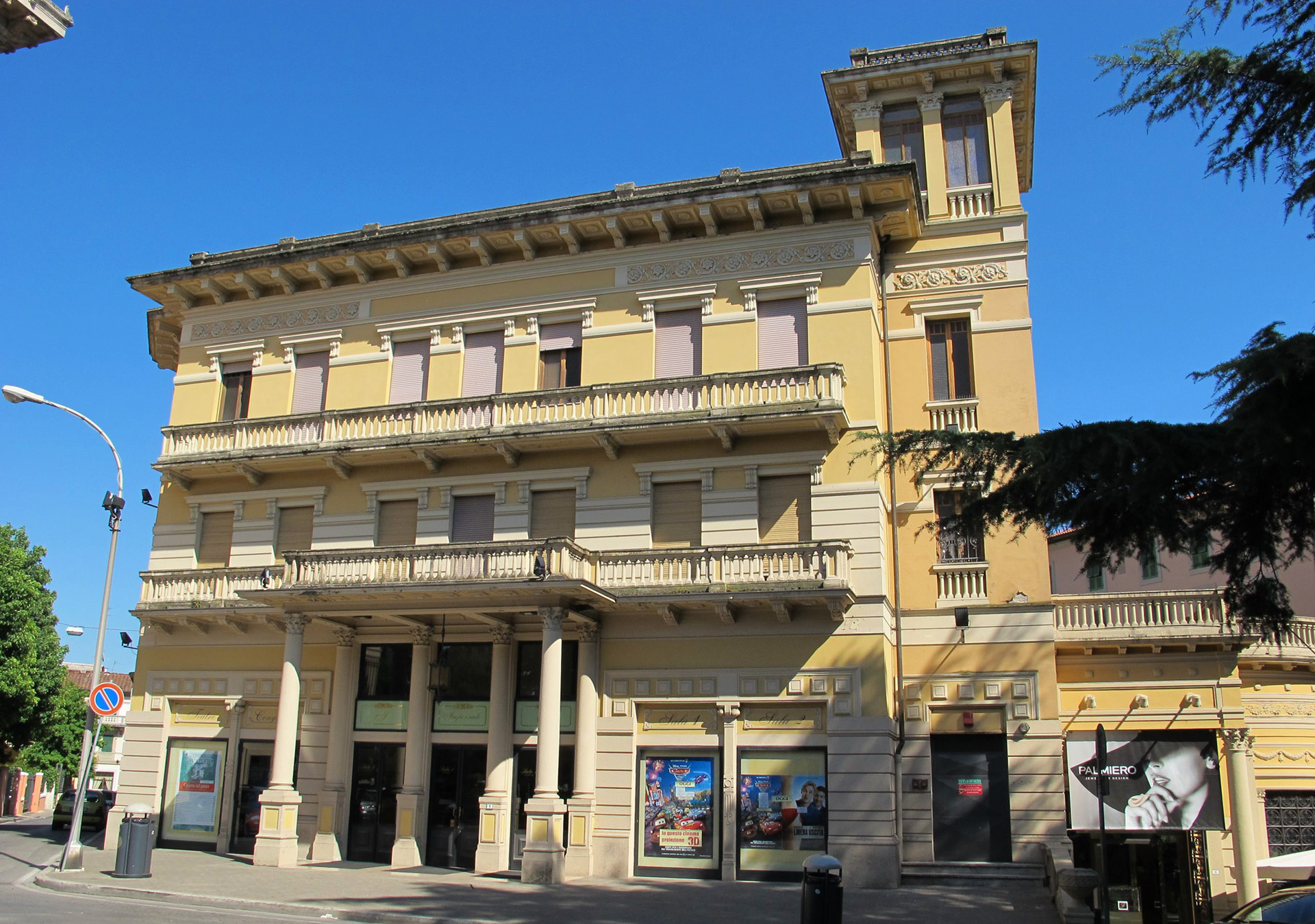
Prominent among these architecturally valuable works is the building that housed the “Politeama Theater,” now known as the “Imperial Multiplex.”

The construction

The building was constructed in 1926 to a design by architect Nervi and is a significant example of the theater architecture of the period.

The strategic location

The cinema is located on Verdi Avenue, one of the city’s most beautiful and important streets, in a prime location within walking distance of the spa’s main hotels and stores.

Visit official website

The Church of St. Peter the Apostle has very ancient origins: already existing in 716, it was initially named after St. Michael the Archangel.

Inside it holds works of great artistic value, including the painting “Madonna with Child and Saints” by the school of Perugino.

The Museum: a hidden treasure

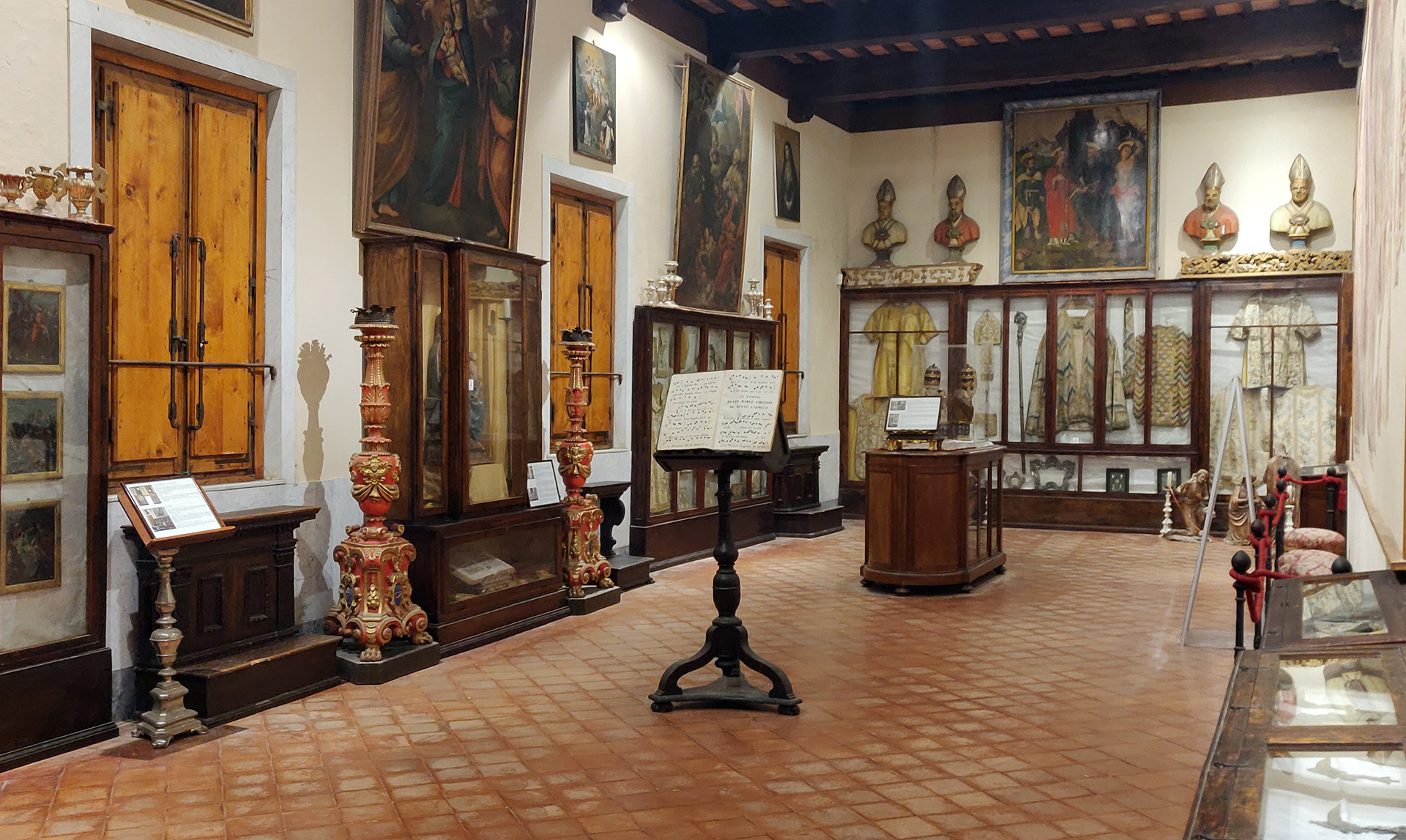
The true riches of the church, however, are hidden from the eyes of the ordinary visitor. In fact, the left side of the High Altar leads to the Museum of Sacred Art, a unique exhibition space.

The Paponi Collection

The museum displays the valuable collection of works that belonged to the Paponi family, a dynasty of parish priests that marked the religious history of the area. It was Don Tito Paponi, the last descendant of the lineage, who set up the museum by collecting works from the church itself and other sacred places in the town.

The reliquary of Saint Barbara

Among the most significant pieces in the collection is a 16th-century chestnut and fir cabinet that holds the reliquary of St. Barbara, patron saint of Montecatini Terme. The saint is also the patron saint of the Navy, the Fire Brigade, the Corps of Engineers and the Artillery.

The “Triumph of Christ”

The museum also houses the monumental fresco “Triumph of Christ,” attributed to the school of Orcagna. This 7-meter work recently underwent a major restoration that restored its original splendor.


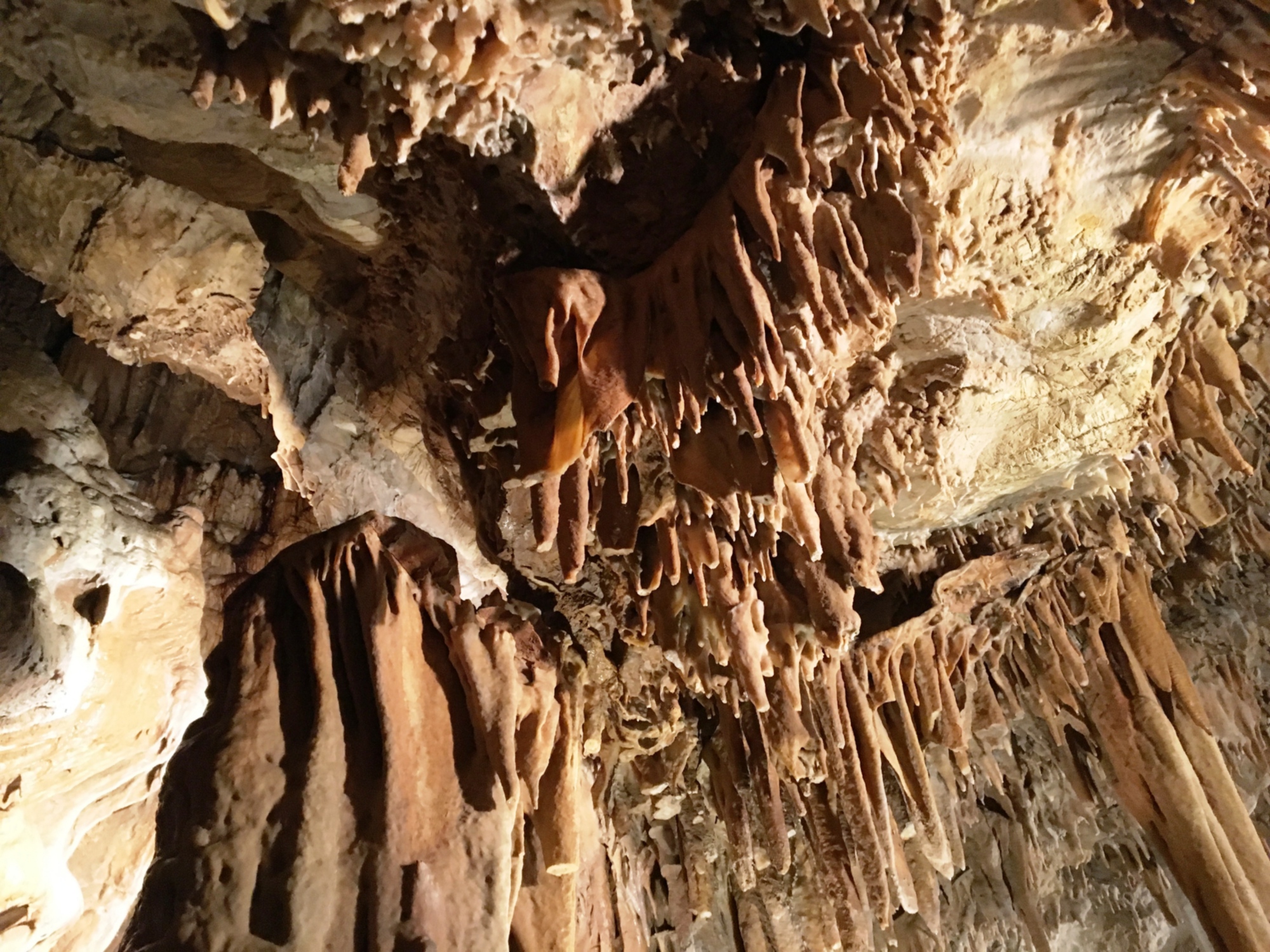
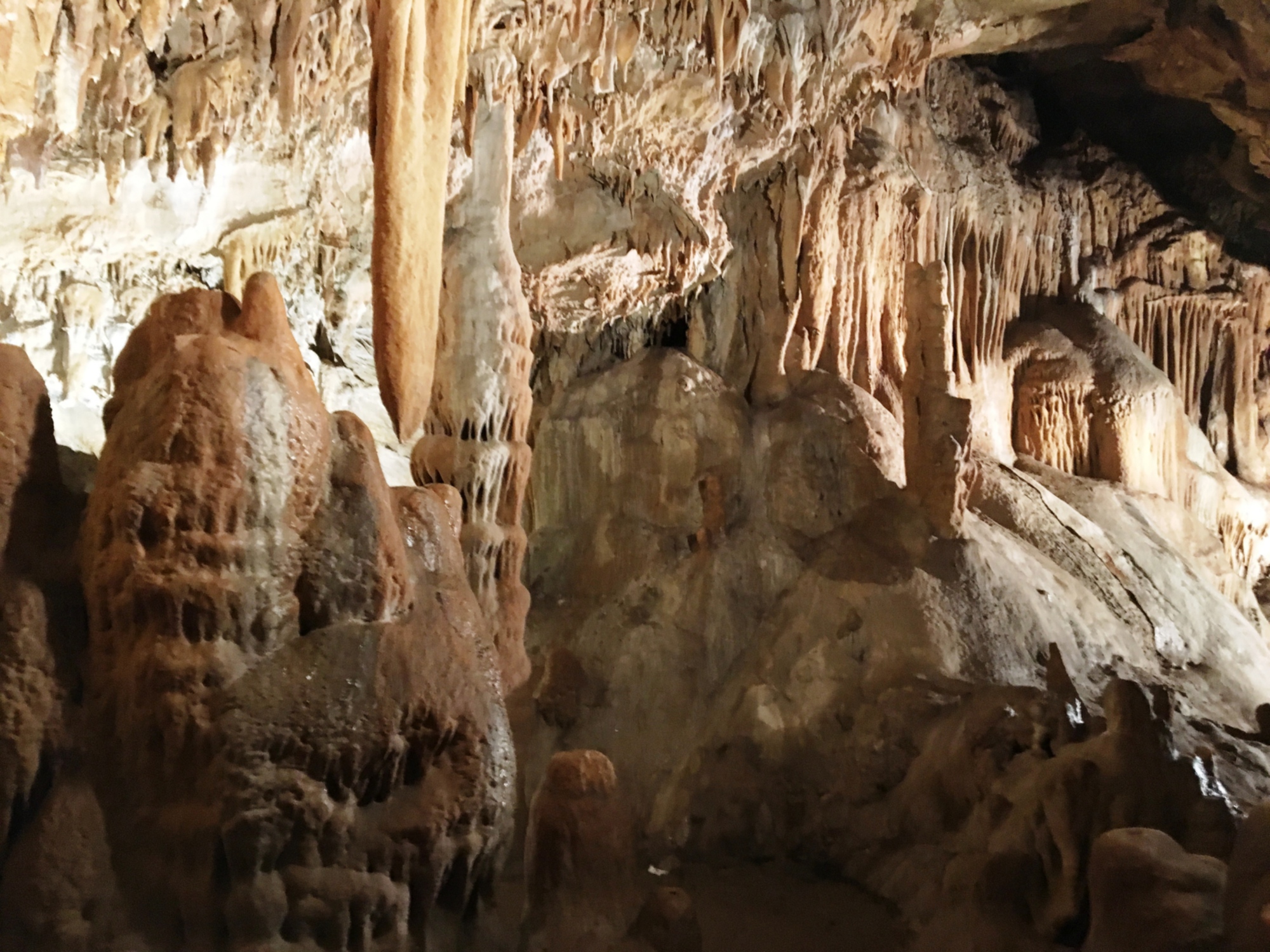
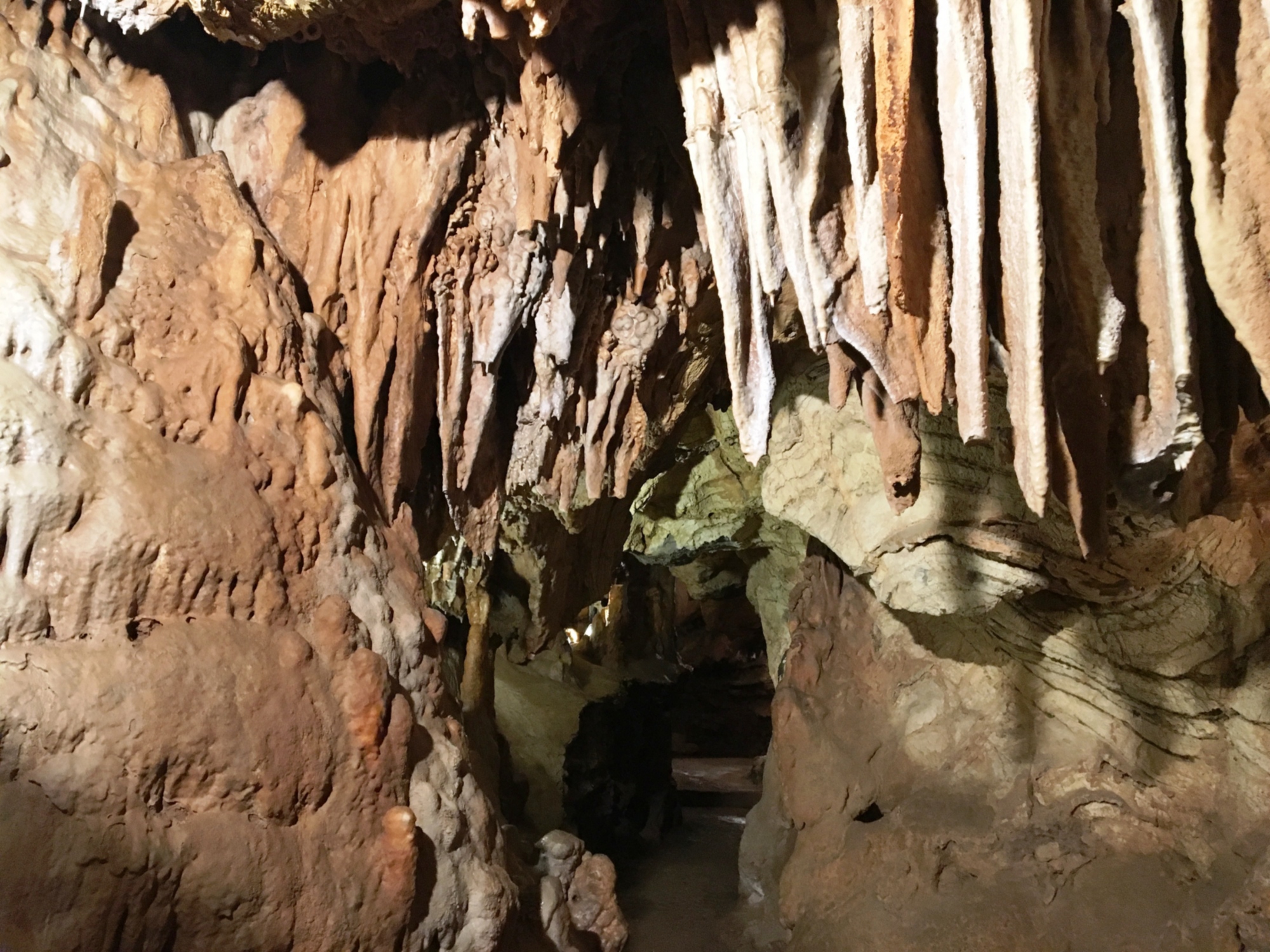
A fascinating and little-known place opens up between the spa town and the medieval village: the Maona Cave, a millennia-old cavity in the limestone subsoil of the hillside.

It was named after the ancient Maona family, active in the area between the 9th and 12th centuries, who owned land in this very area.

A discovery born of necessity

In the 19th century, following land reclamation works promoted by Grand Duke Peter Leopold of Lorraine, the area experienced a population growth that required new building material. During excavations in 1860, in search of quarry stone, the cave was discovered. Animal remains and artifacts traceable precisely to the Maona family were found inside.

A rare and fascinating ecosystem

The cave maintains a constant temperature of 15 °C and is inhabited by a rare protected species of bats, a sign of the delicacy of its ecosystem. The natural environment has remained largely intact, making the visit an evocative experience that respects the original context.

Two wells for a journey underground

What makes Grotta Maona unique is its particular conformation: the entrance is through a first shaft that leads the visitor into a cavity 20 meters deep and about 200 meters long. The path continues to a second shaft, which leads back to the light, symbolically closing a circle between the underground and the surface.


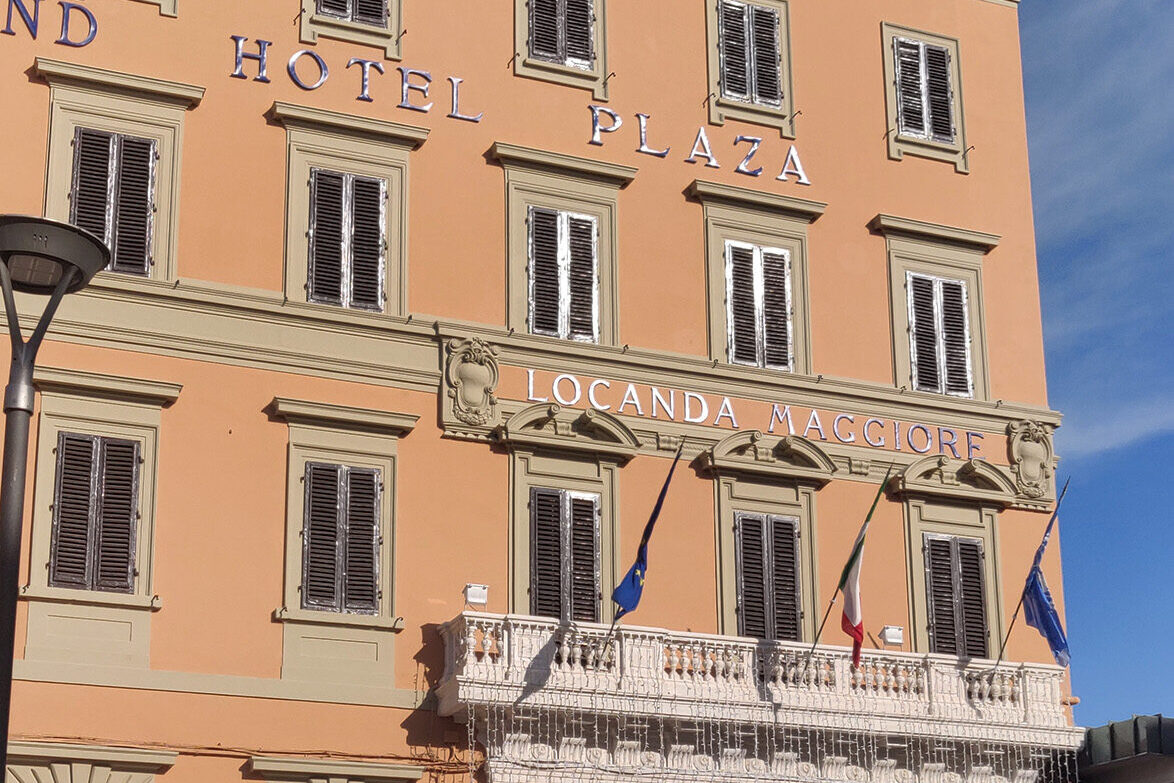
Overlooking Piazza del Popolo, behind the Guidotti Fountain, the Hotel Plaza & Locanda Maggiore represents one of the earliest examples of Montecatini Terme’s rise as a spa destination of international significance.

Origins in the eighteenth century

It was built in 1787 on the initiative of the Cassinese Monks, who were charged with managing the spa facilities desired by Peter Leopold I, Emperor of Austria. In return, the monks were to ensure adequate hospitality for visitors. Thus was born the Locanda Maggiore, the city’s first real hotel, designed for high-level hospitality.

Giuseppe Verdi and the Inn

Giuseppe Verdi

Among the Locanda’s most illustrious guests was Giuseppe Verdi, who used to stay here and composed part of Otello and Falstaff. In his honor, on the bicentennial of his birth, the Credito Cooperativo della Valdinievole Foundation placed a bronze bust of the maestro right in front of the hotel.

Visit official website

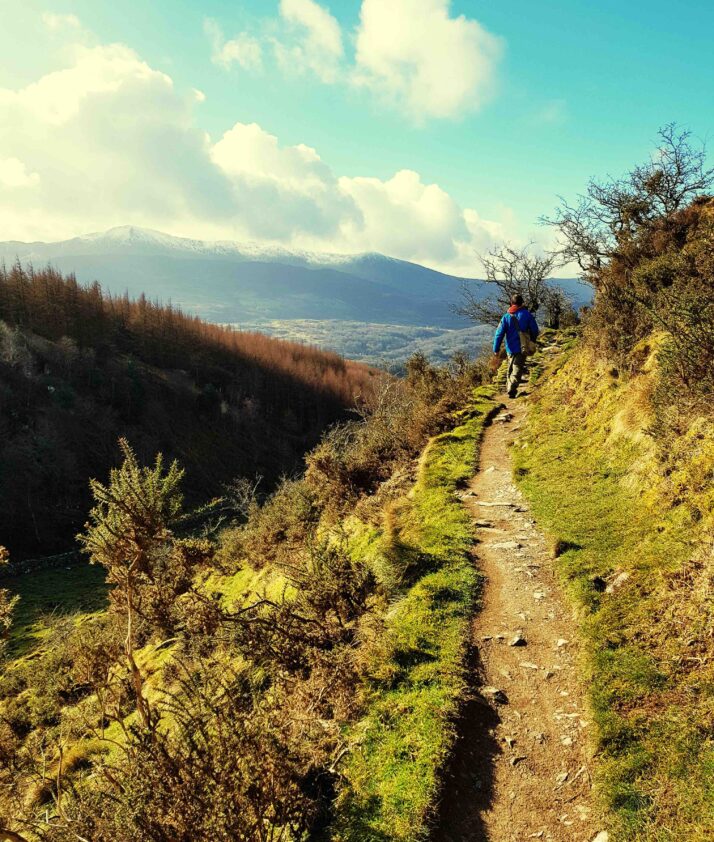
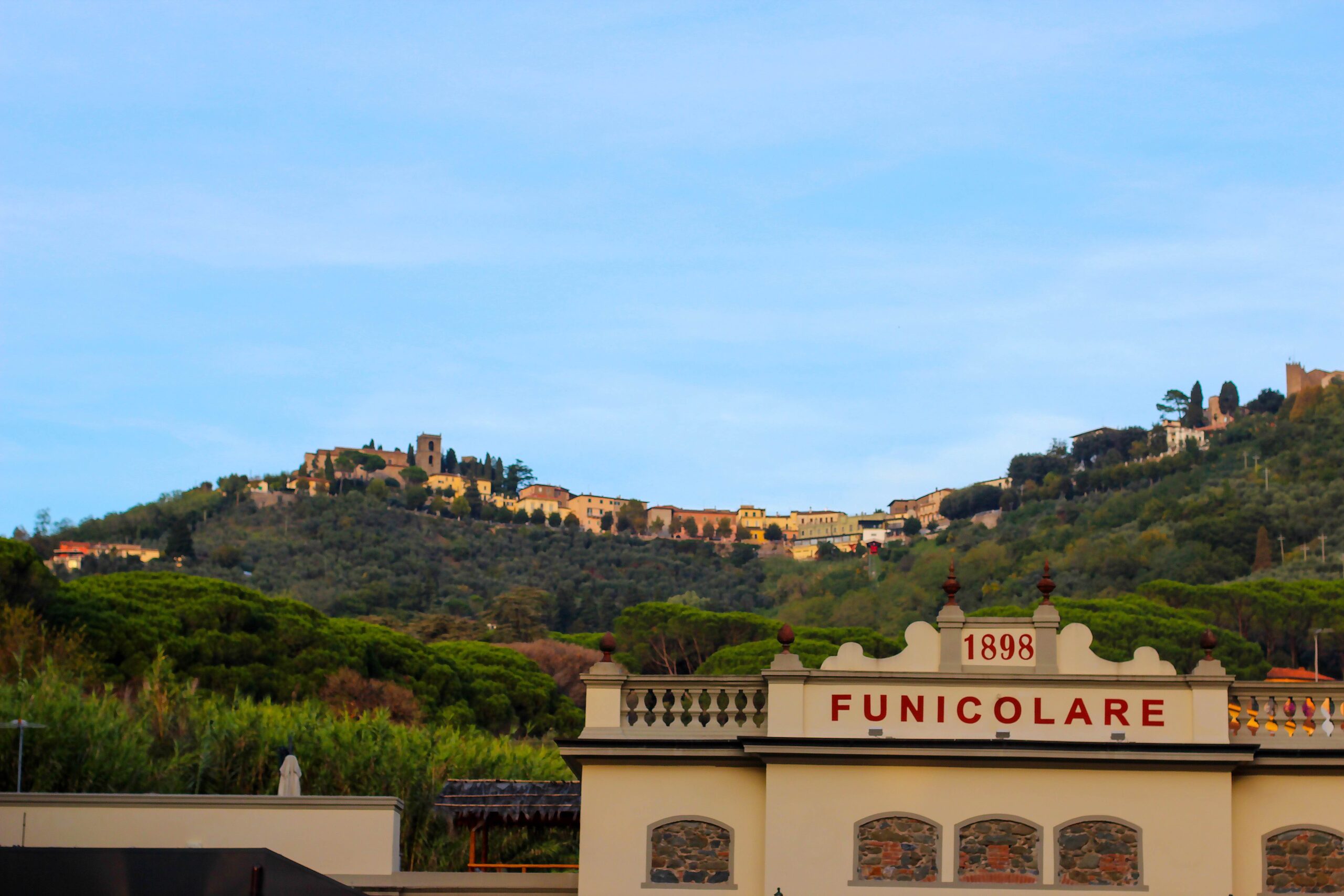
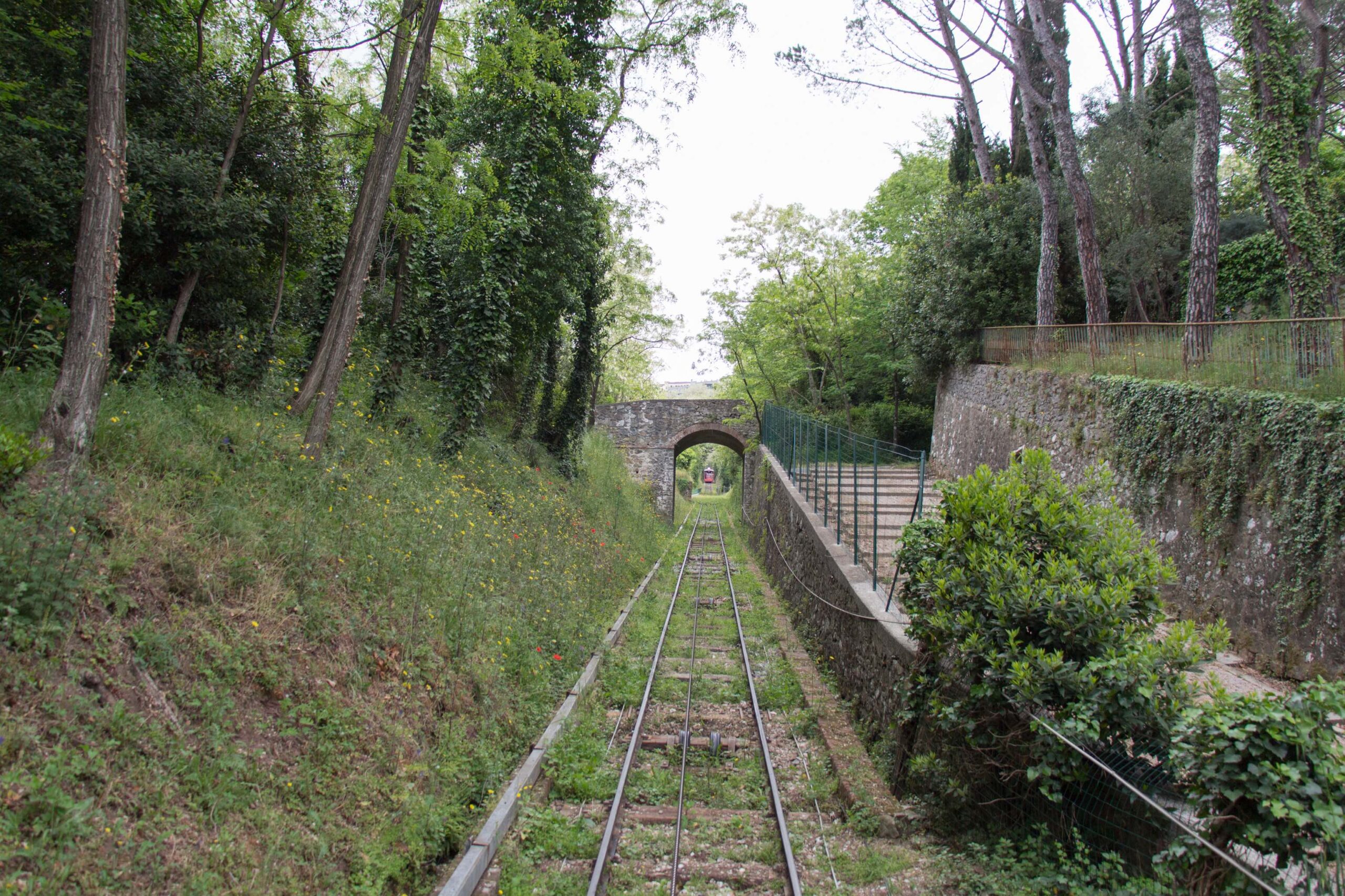
This picturesque nineteenth-century path winds through the greenery, parallel to the route of the historic Montecatini Funicular.

It is a real journey through time, designed for those who wish to reach Montecatini Alto on foot, surrounded by nature and the quietness of the hills

From valley to summit, among olive trees and woods

The trail begins to the right of the funicular departure station, and winds its way through olive groves, wooded sections and breathtaking views. As it climbs to the hill, it opens up a splendid view of the spa town below, giving a unique perspective on the entire area.

A spiritual path as well

Along the way are the Stations of the Cross, which accompany the visitor on a journey that is not only physical but also meditative. An ideal walk for those seeking an experience that combines nature, history and spirituality.


Montecatini Terme has historically been a favorite destination for famous people, attracted by the beneficial properties of its thermal waters and the elegance of its buildings. A discreet and refined retreat, chosen to relax away from the spotlight.

A tribute engraved in the city

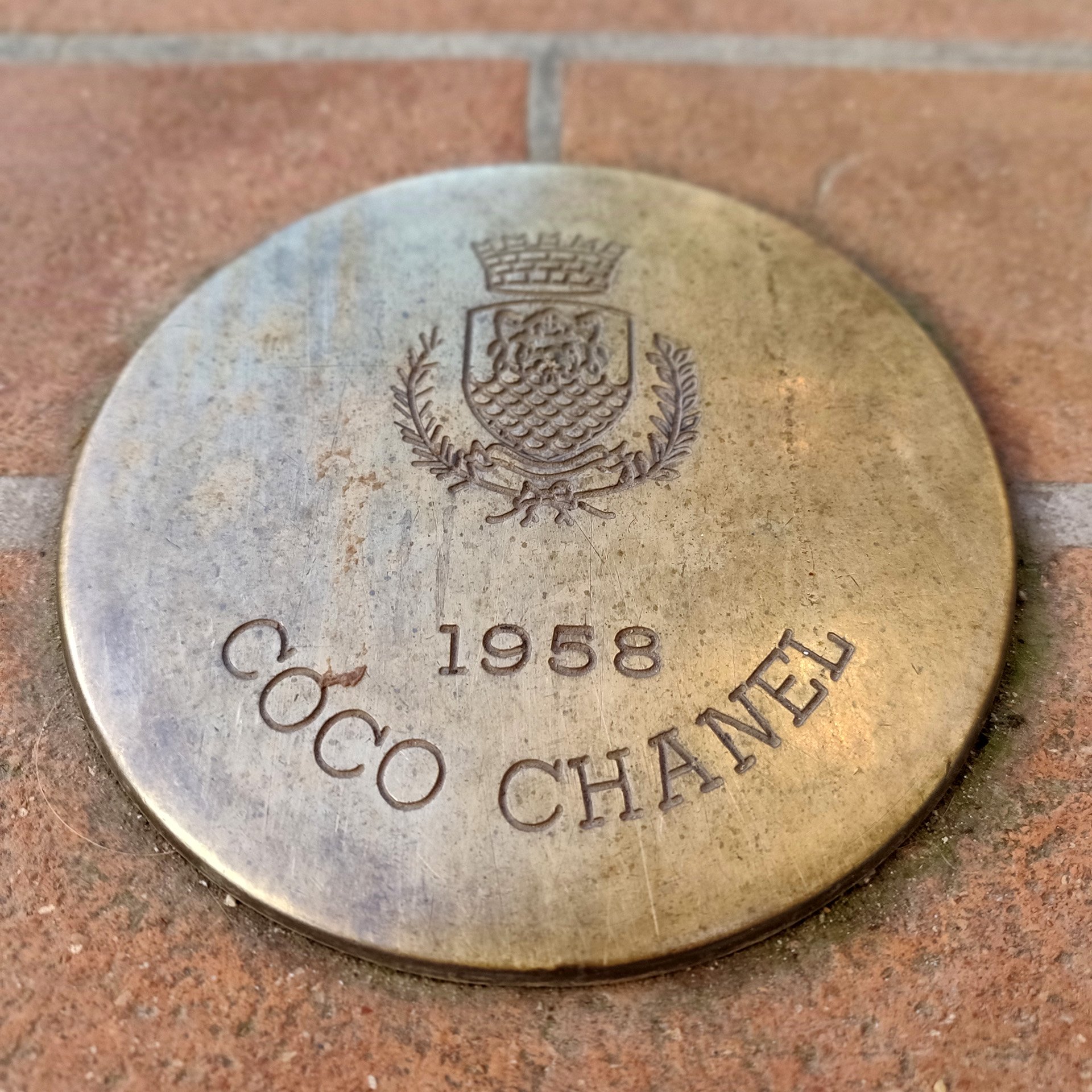
As a testimony to their passage, the “Walk of Fame” has been created along the sidewalks of Viale Giuseppe Verdi: an installation consisting of more than 200 circular studs engraved with the names of celebrities who have stayed in the city. A path that tells the story of Montecatini through its most famous guests.

Legendary hospitality

Many of these personalities were welcomed at the Grand Hotel & La Pace, Montecatini’s most prestigious accommodation, an authentic symbol of high-end hospitality and a long-standing place of reference for the international elite.


This site is registered on wpml.org as a development site. Switch to a production site key to remove this banner.