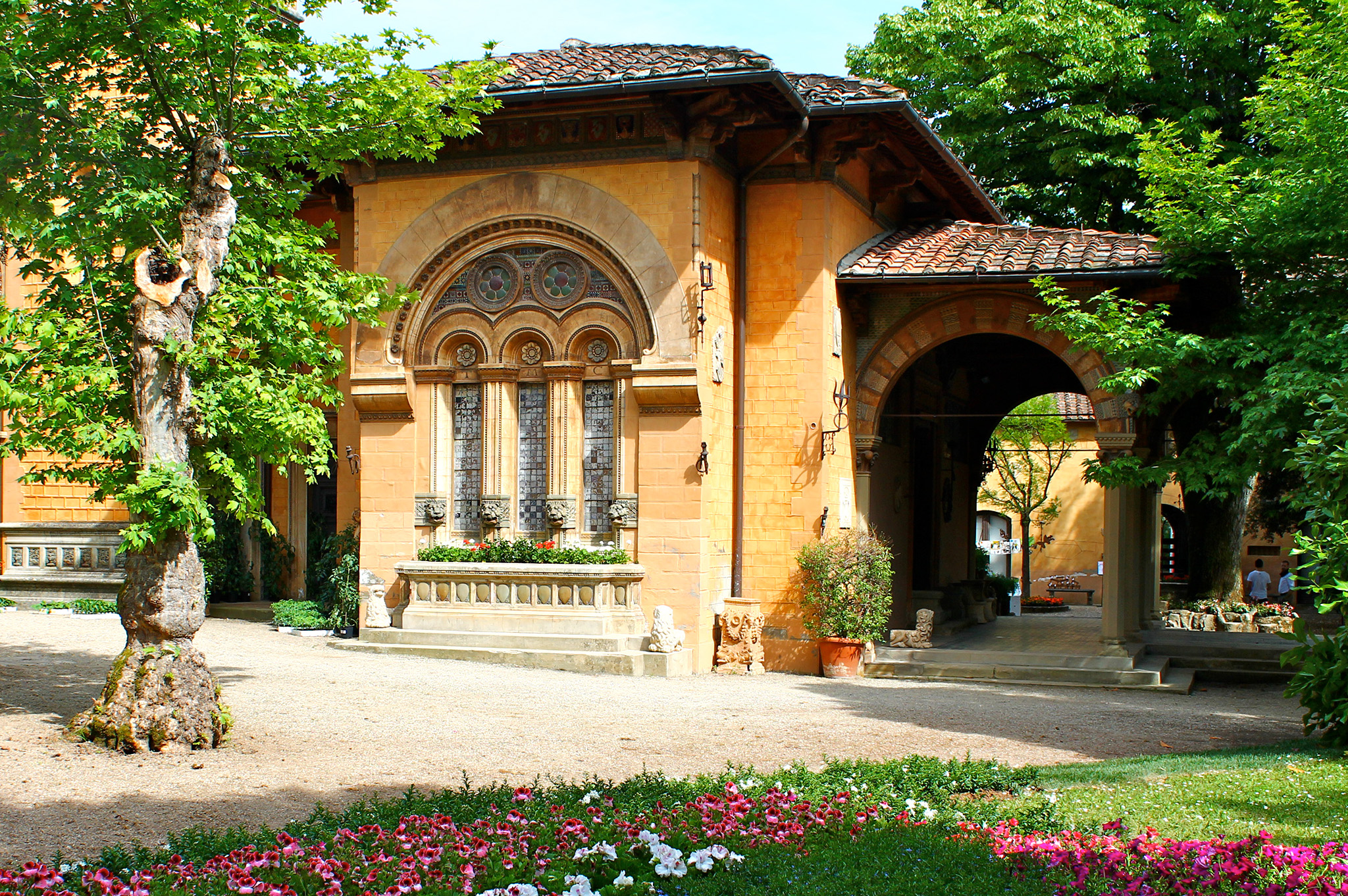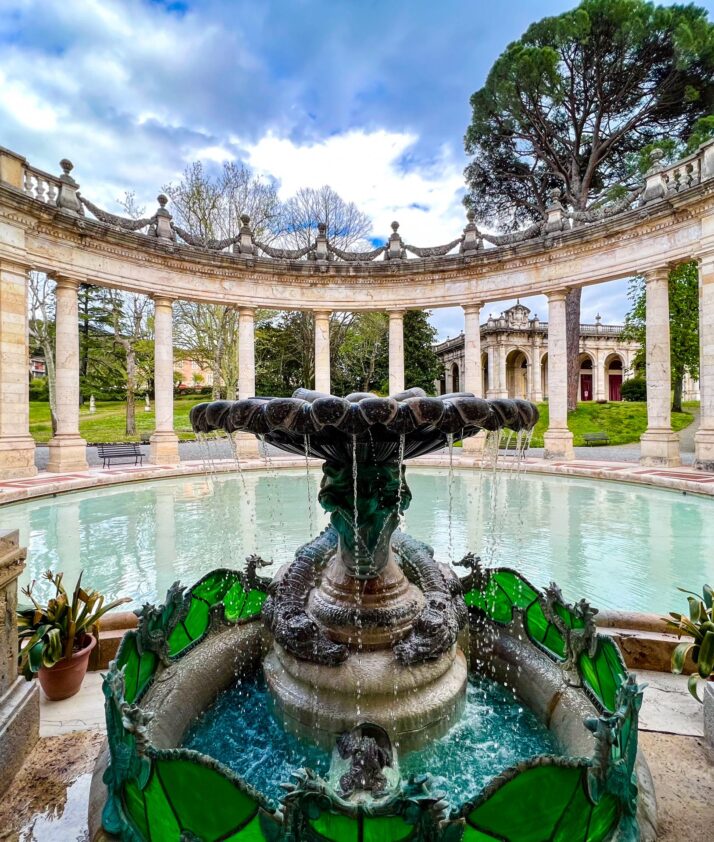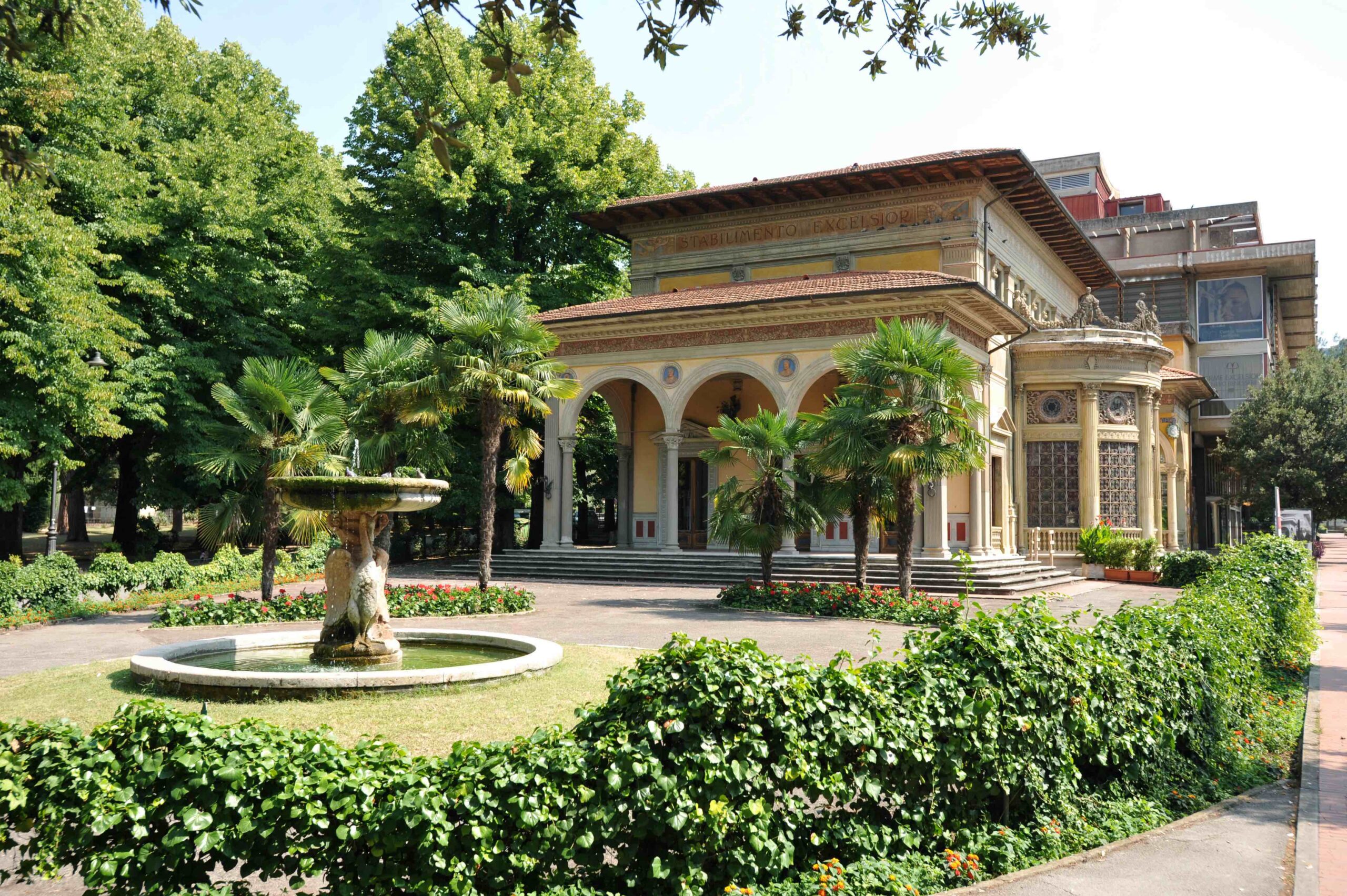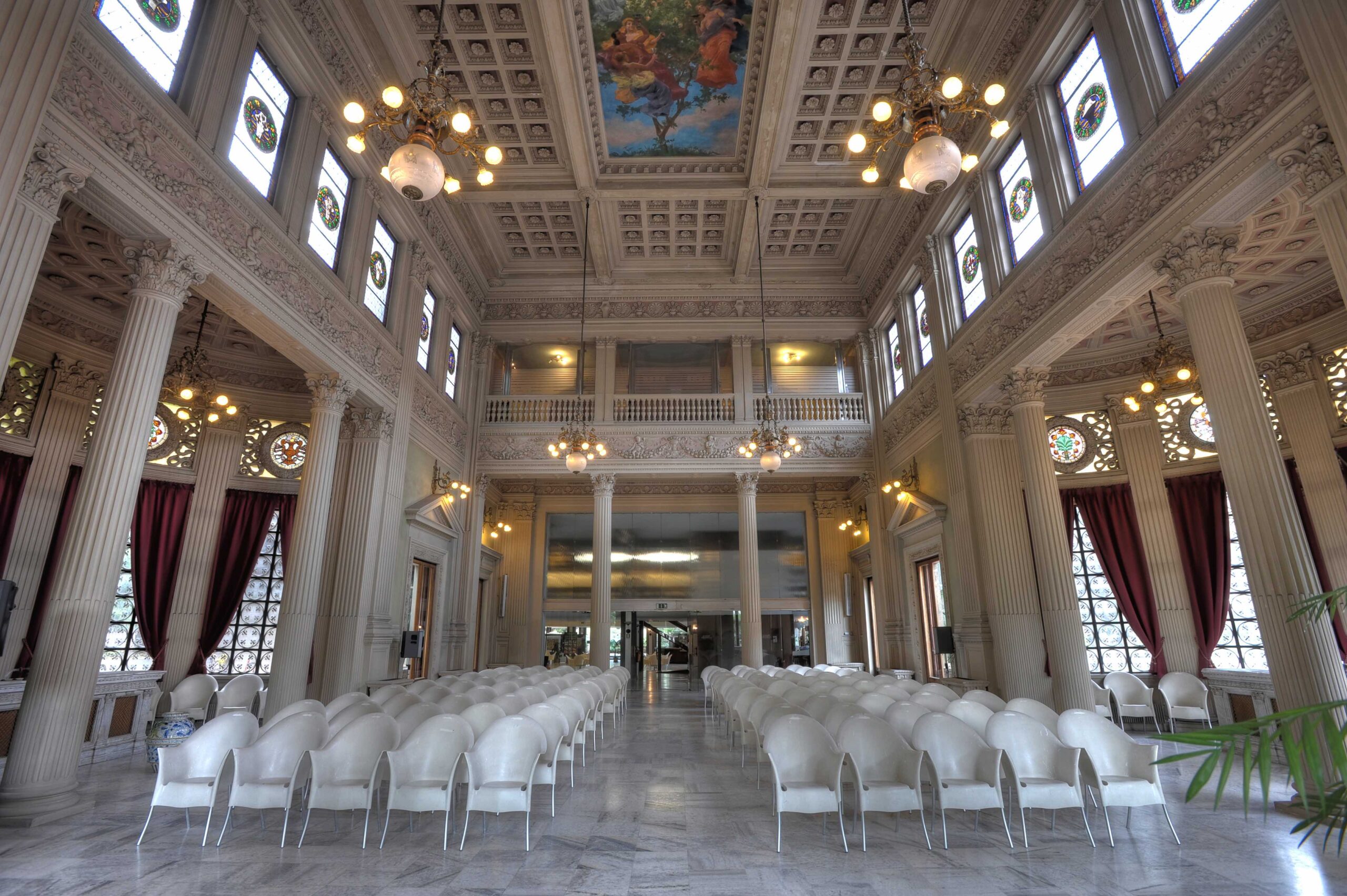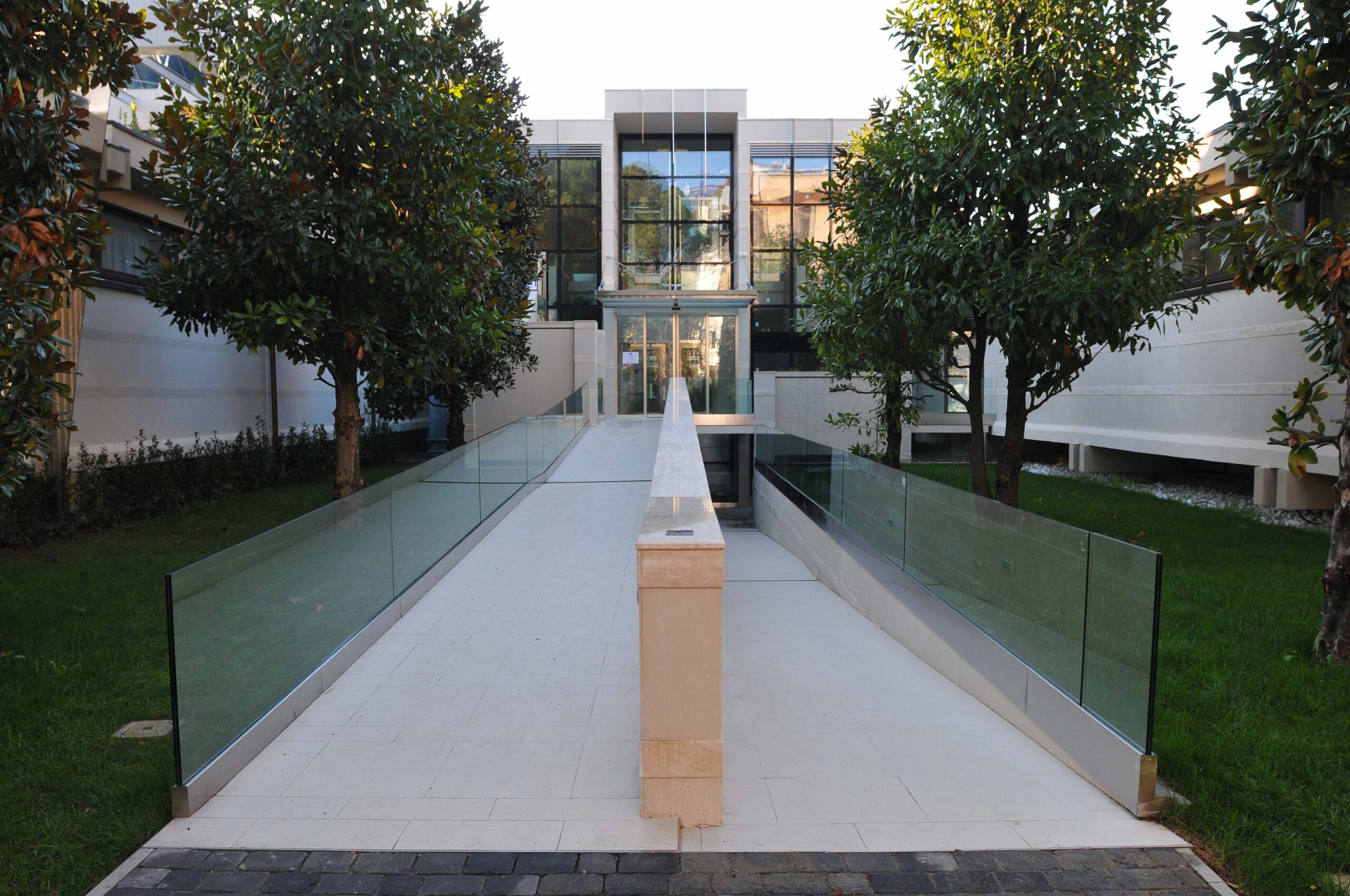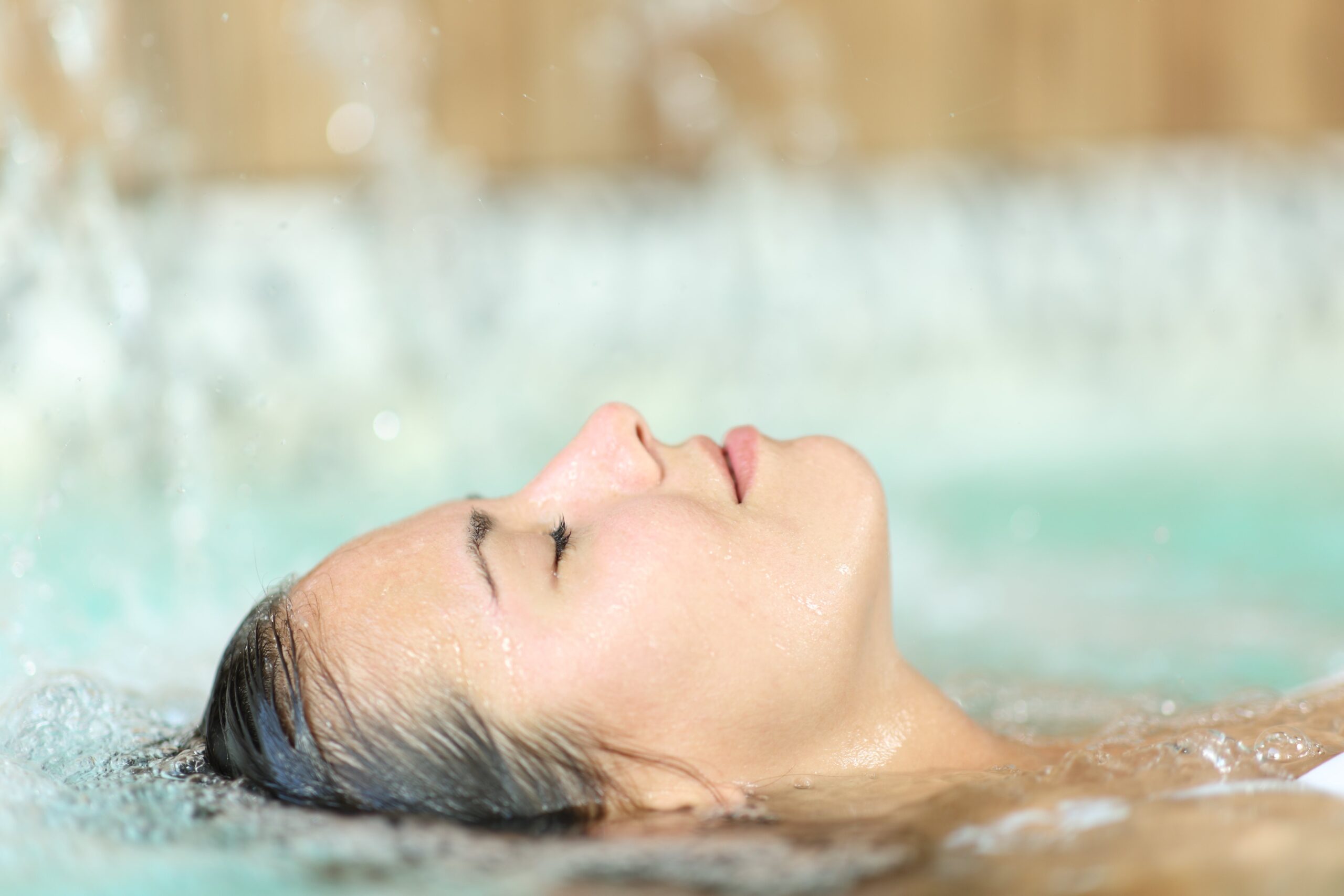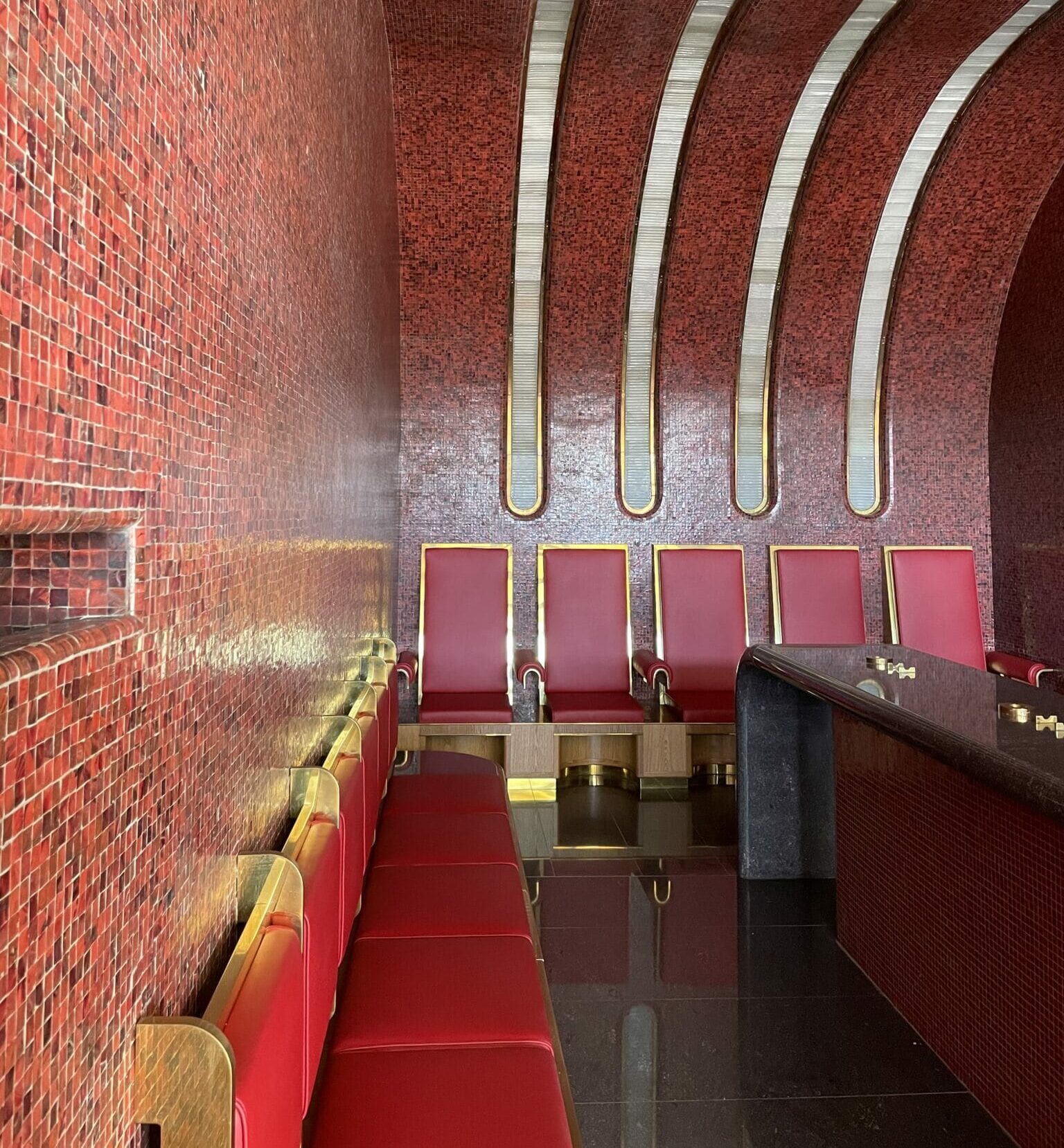
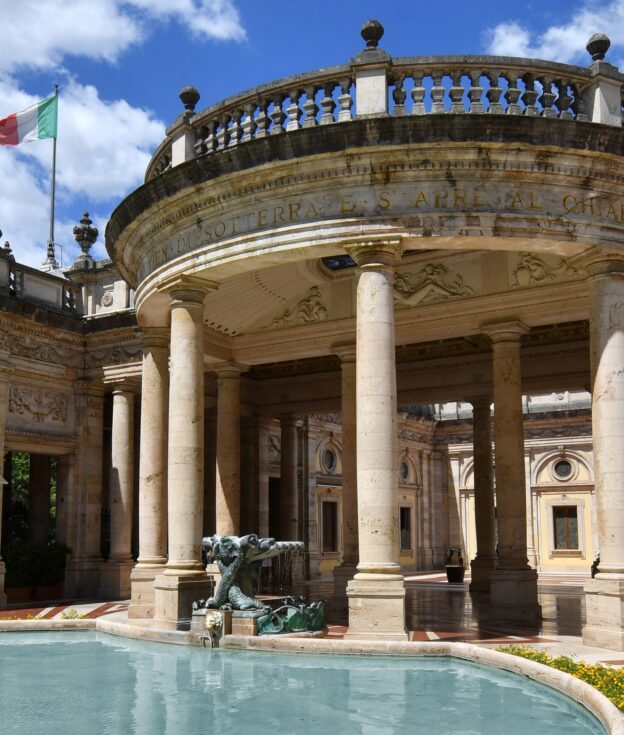
Terme Redi is a landmark for those seeking state-of-the-art spa treatments in a modern, functional setting.

Dedicated to physician and naturalist Francesco Redi, the establishment combines tradition and innovation in the Italian spa scene.

A state-of-the-art spa

Redi Spa offers a wide range of spa treatments, including.

  • Mudobalneotherapy: applications of thermal mud and therapeutic baths.
  • Inhalation therapies: inhalations, tubo-tympanic insufflations, ventilations, and nebulizations.
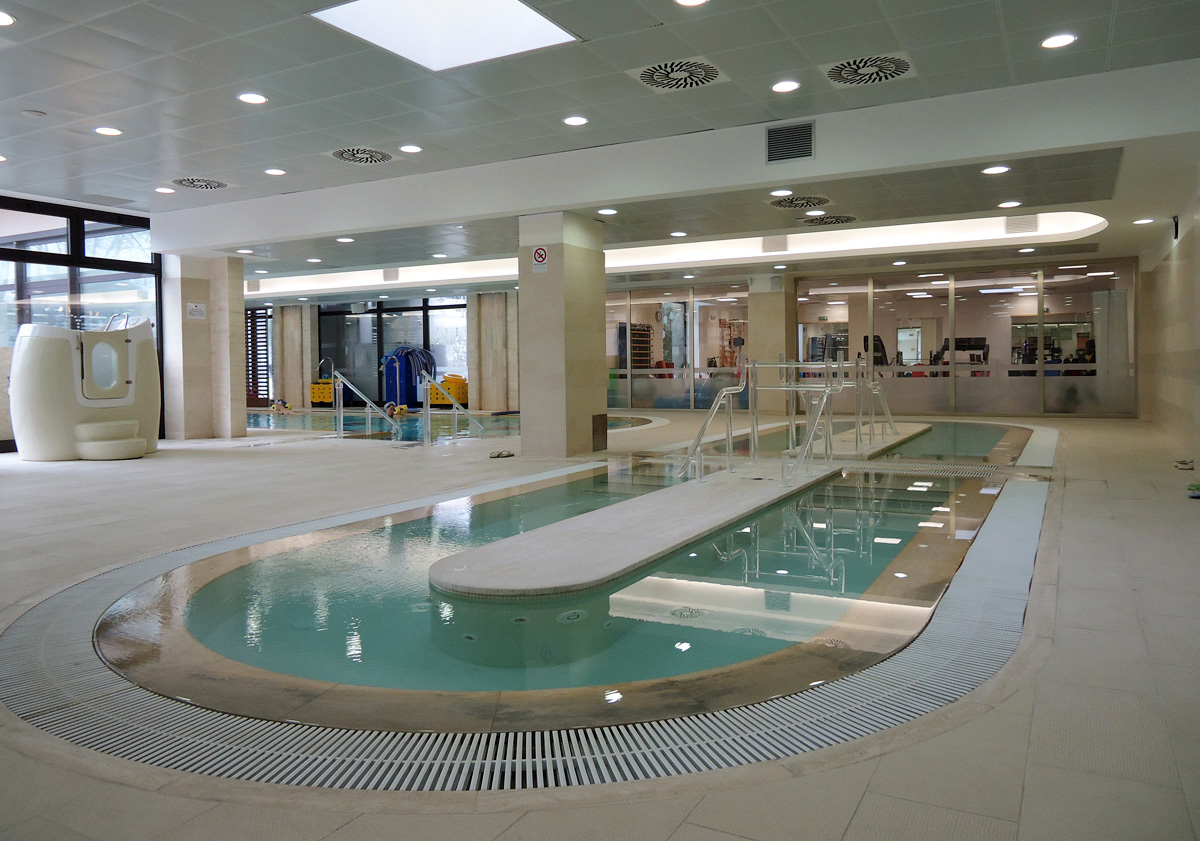
  • Motor rehabilitation: thermal pools with rehabilitation trails, two gyms and a physiotherapy center.

The thermal waters used come from the Leopoldina and Rinfresco springs, known for their therapeutic properties.

Treatments for different needs

Redi Spa treatments are indicated for.

  • Respiratory disorders: chronic pharyngitis and laryngitis, chronic smoking bronchitis, rhinogenic deafness.
  • Musculoskeletal disorders: osteoarthritis, rheumatism, joint pain.
  • Circulatory and dermatological problems: cellulite, acne, blood circulation disorders.
  • Post-traumatic recovery: injuries from accidents, surgery, or excessive exertion during sports activity.

A complete wellness experience

In addition to spa treatments, Redi Spa offers additional services to ensure a complete wellness experience.

  • Thermal pools: to relax and benefit from the properties of thermal waters.
  • Beauty center: personalized facial and body treatments.
  • Customized programs: wellness pathways tailored to individual needs.

Redi Spa is affiliated with the National Health System, thus offering access to recognized and supported spa care.

Go to the spa website
Montecatini Terme has an unbreakable bond with Giuseppe Verdi, who loved to get away from the hustle and bustle of the city to enjoy the benefits of the thermal waters, an indispensable source of serenity and artistic inspiration for the great master.

The city’s tribute to the composer

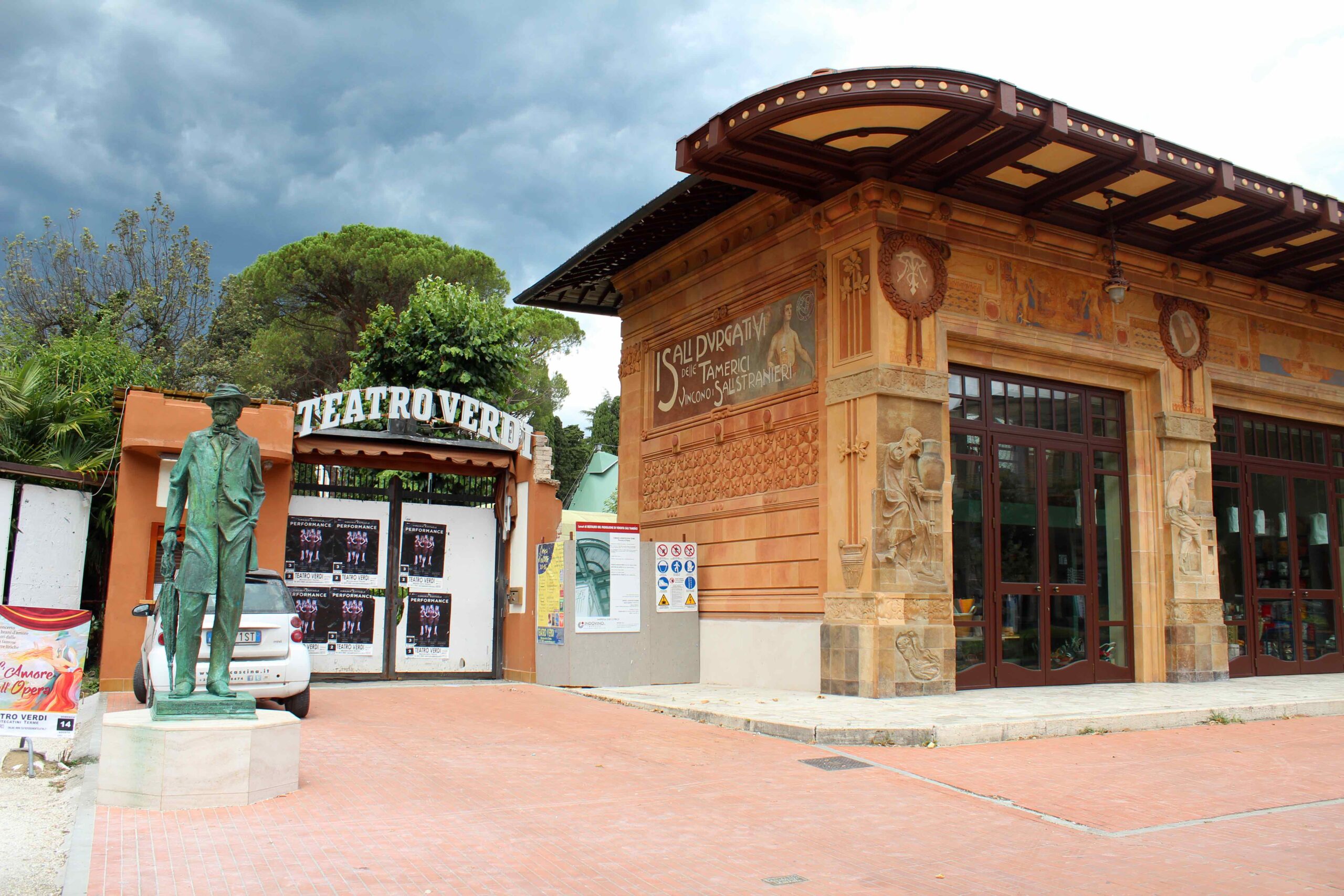
In return for this admiration, the city has dedicated its most important avenue to the great composer, the centrally located Viale Verdi, along which it is possible to encounter a number of places dedicated to the artist, first and foremost the Verdi Theater.

The memorial statue

Giuseppe Verdi

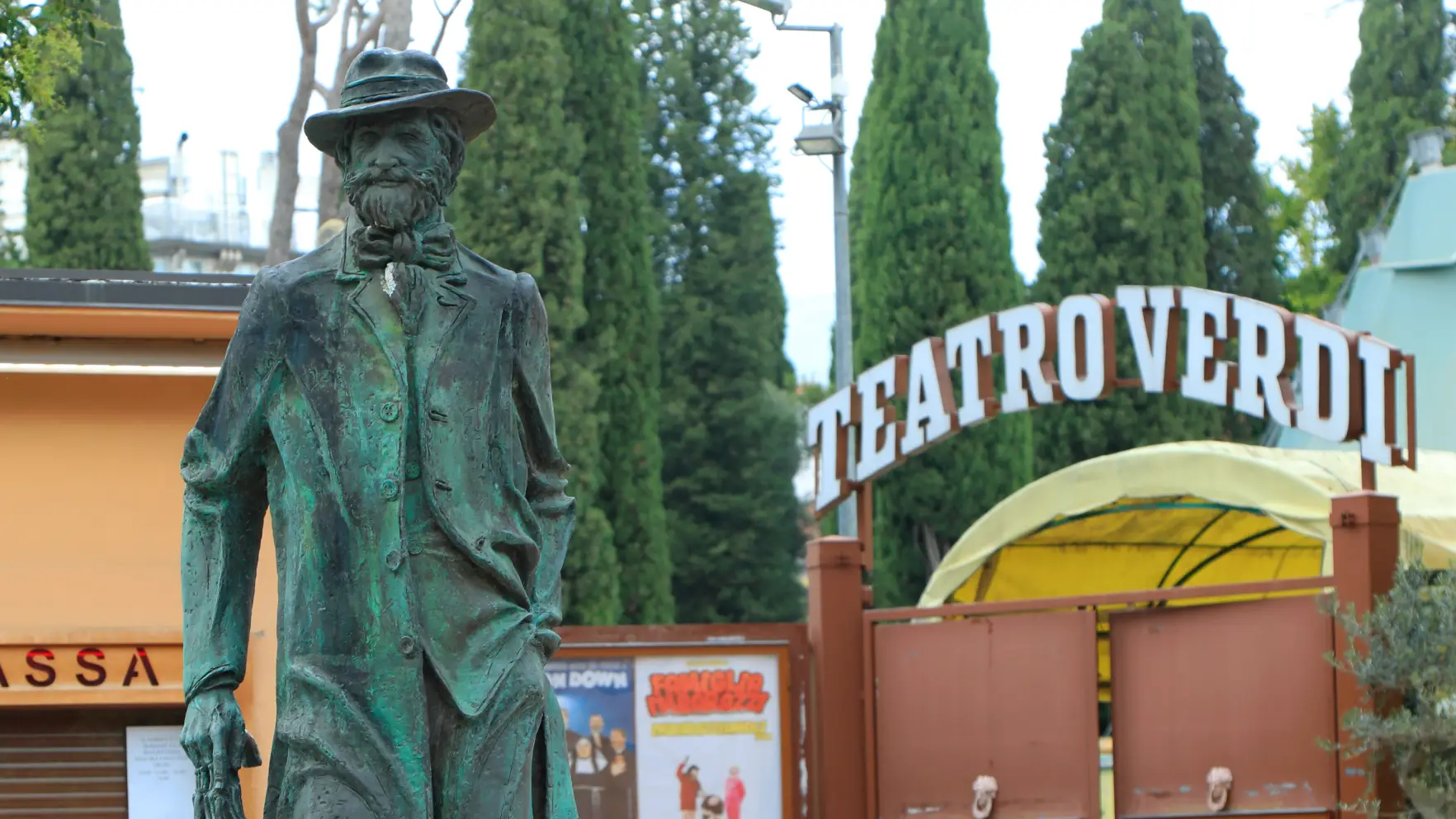
Upon entering, visitors are greeted by a mighty bronze statue of Giuseppe Verdi by Russian artist Aidyn Zeinalov.

Origins: “Le Terme Garden Theater”

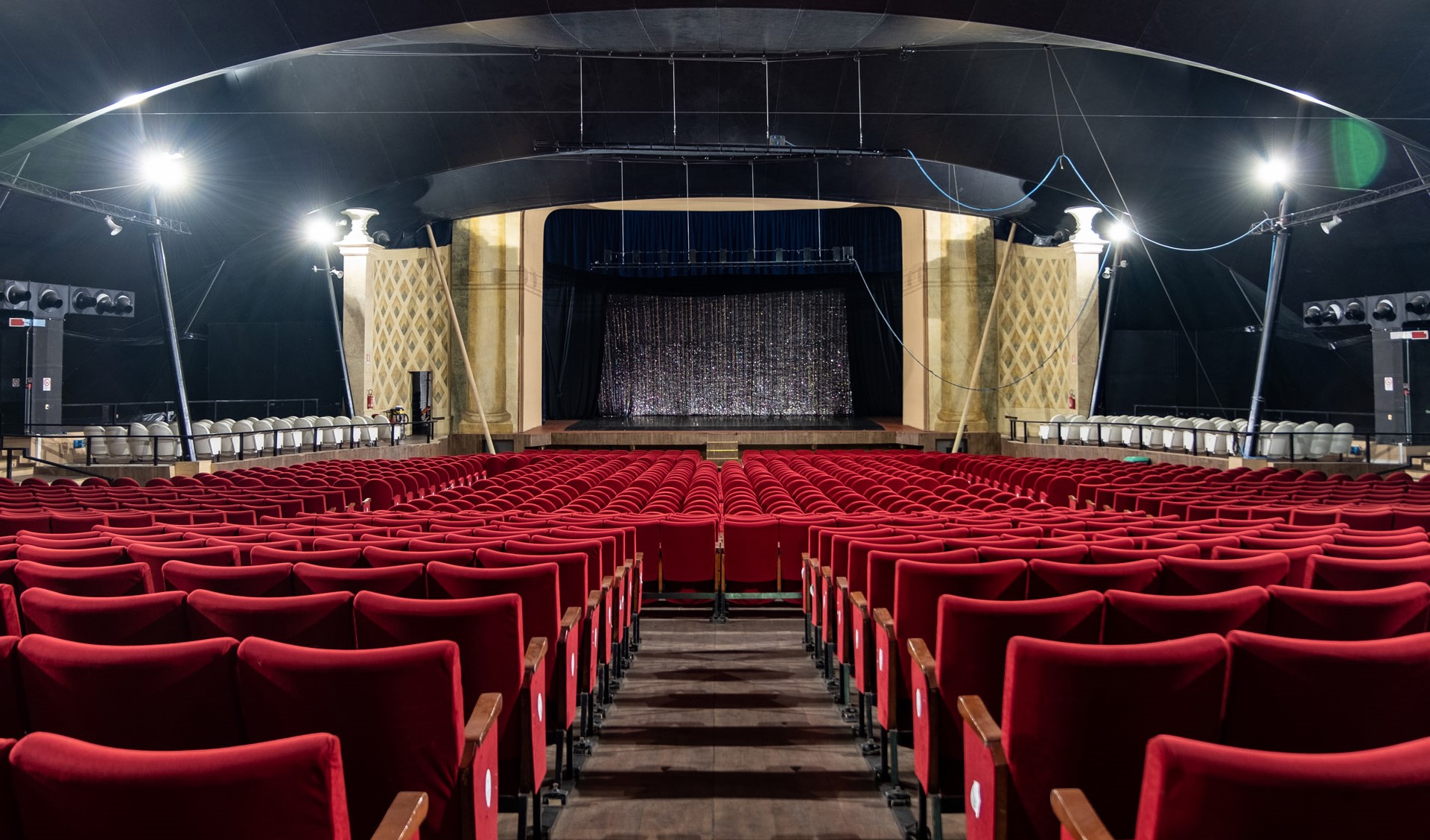
The original name of the structure was “Teatro Giardino Le Terme,” as it was designed by architect Ludovico Fortini as an open-air theater in the surrounding Pine Forest.

The transformations of the 1980s

During the 1980s the Verdi Theater faced major transformations: in 1981 it was fitted with a fixed techno-structure roof, radically changing its original configuration.

From opera house to television

From a great temple of opera music, the theater was later used by RAI as a studio theater in the 1980s, becoming the location for some famous Italian variety programs such as “Serata d’Onore,” “Torno sabato” and the more recent “Cavalli di Battaglia” by Gigi Proietti.

Visit official website

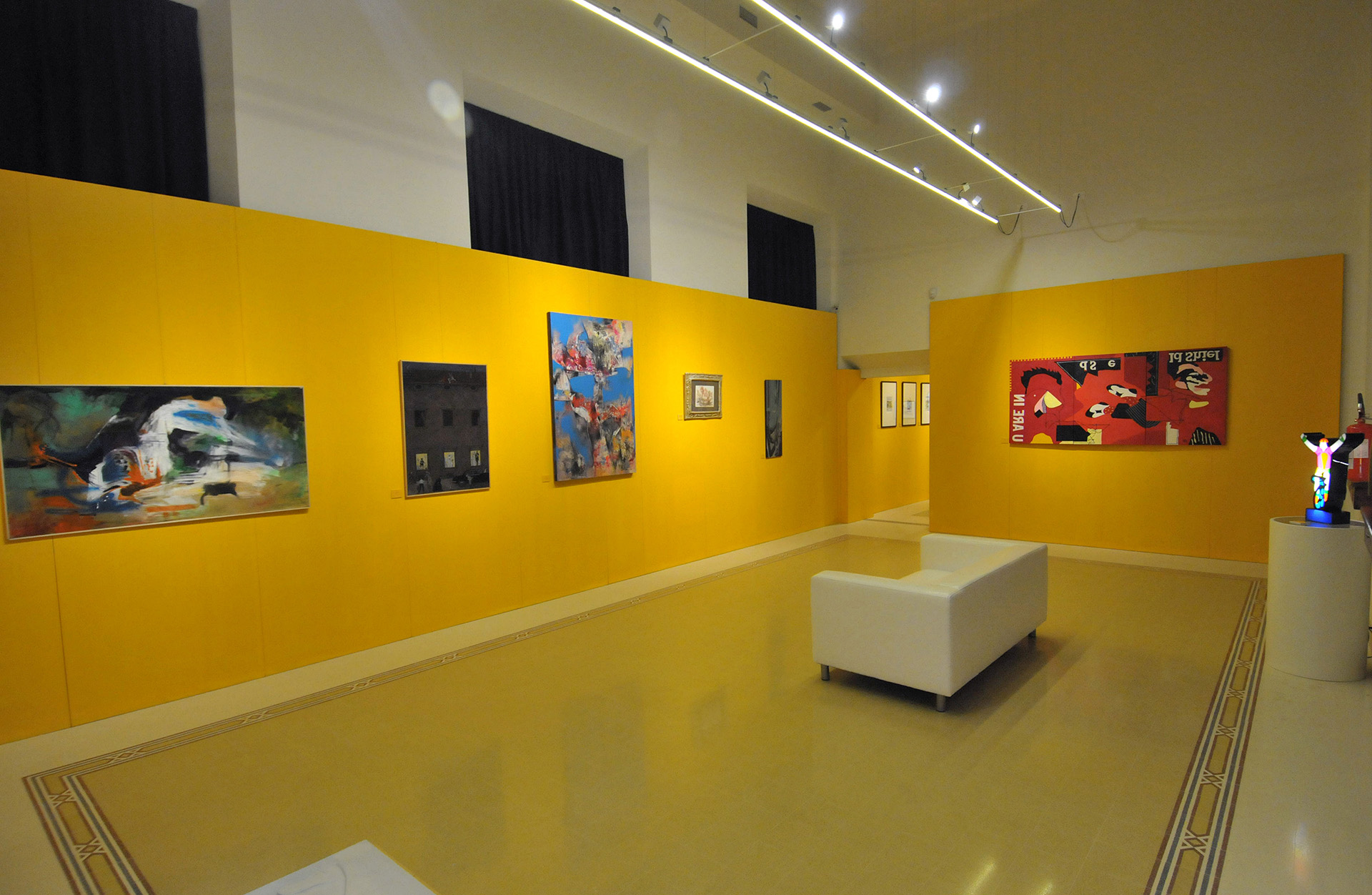
Opened in December 2012, Mo.C.A. (Montecatini Contemporary Art) was born in one of Montecatini Terme’s iconic buildings: the Palazzo Comunale, an architectural masterpiece of the early 20th century.

A place of great historical and cultural value that is now transformed into an exhibition space dedicated to contemporary art.

Between art and memory: a restoration that tells

Mo.c.a

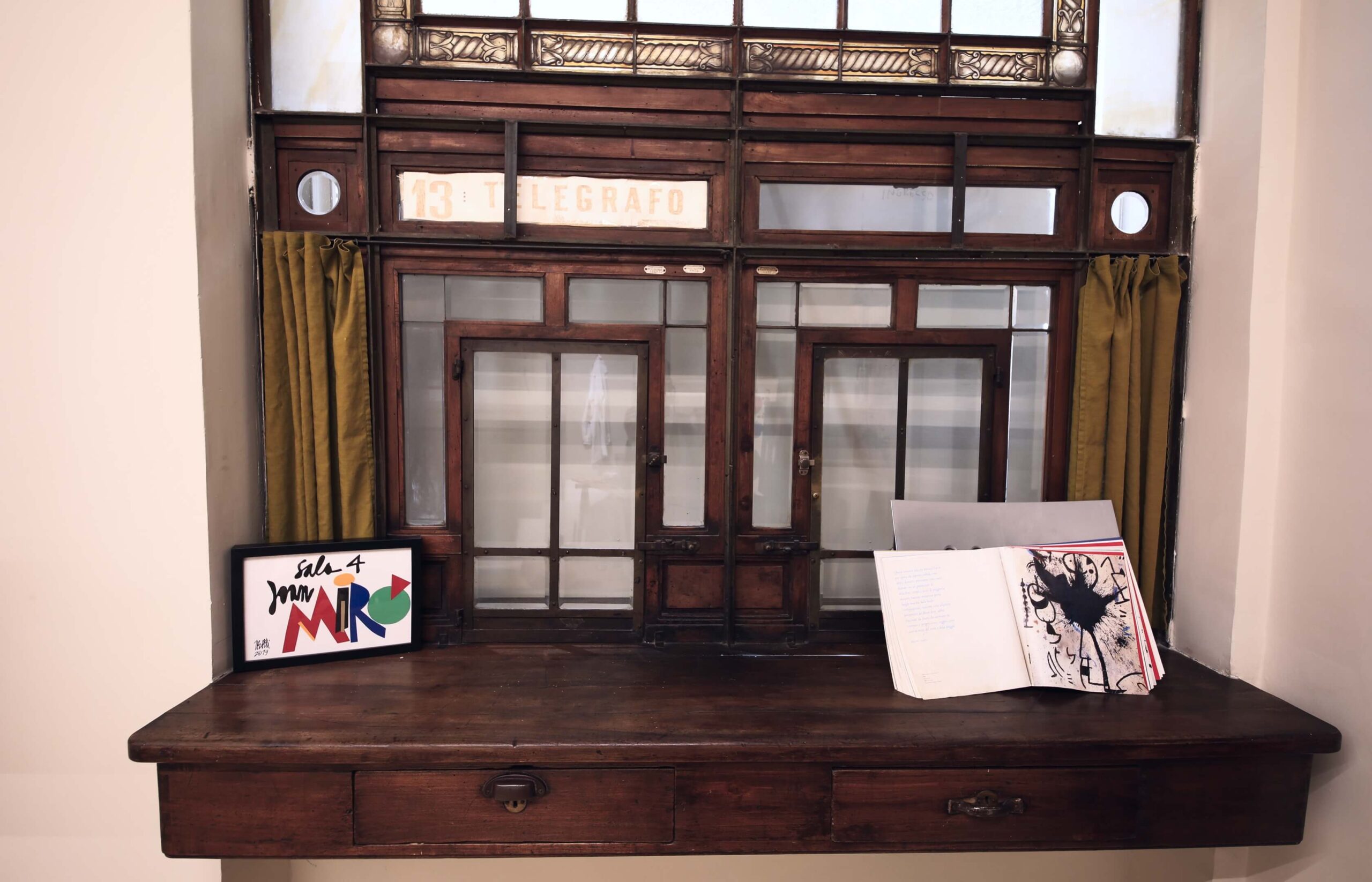
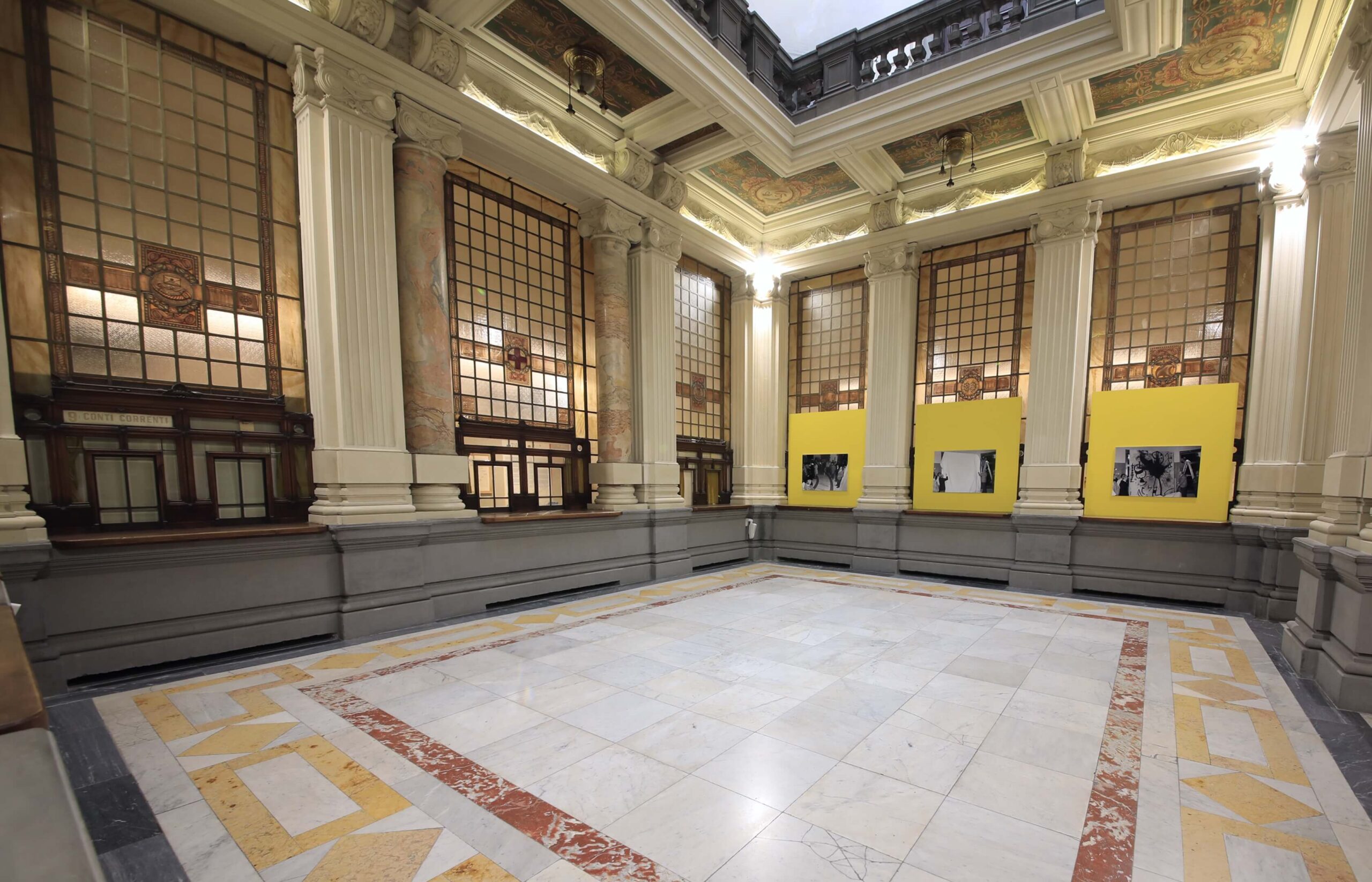
The project has restored environments of rare beauty that were once occupied by post offices until 2007. As evidence of that original function, Galileo Chini’s splendid historiated stained glass windows, dedicated to the theme of communication, decorate and enrich the exhibition rooms.

A collection with an international scope

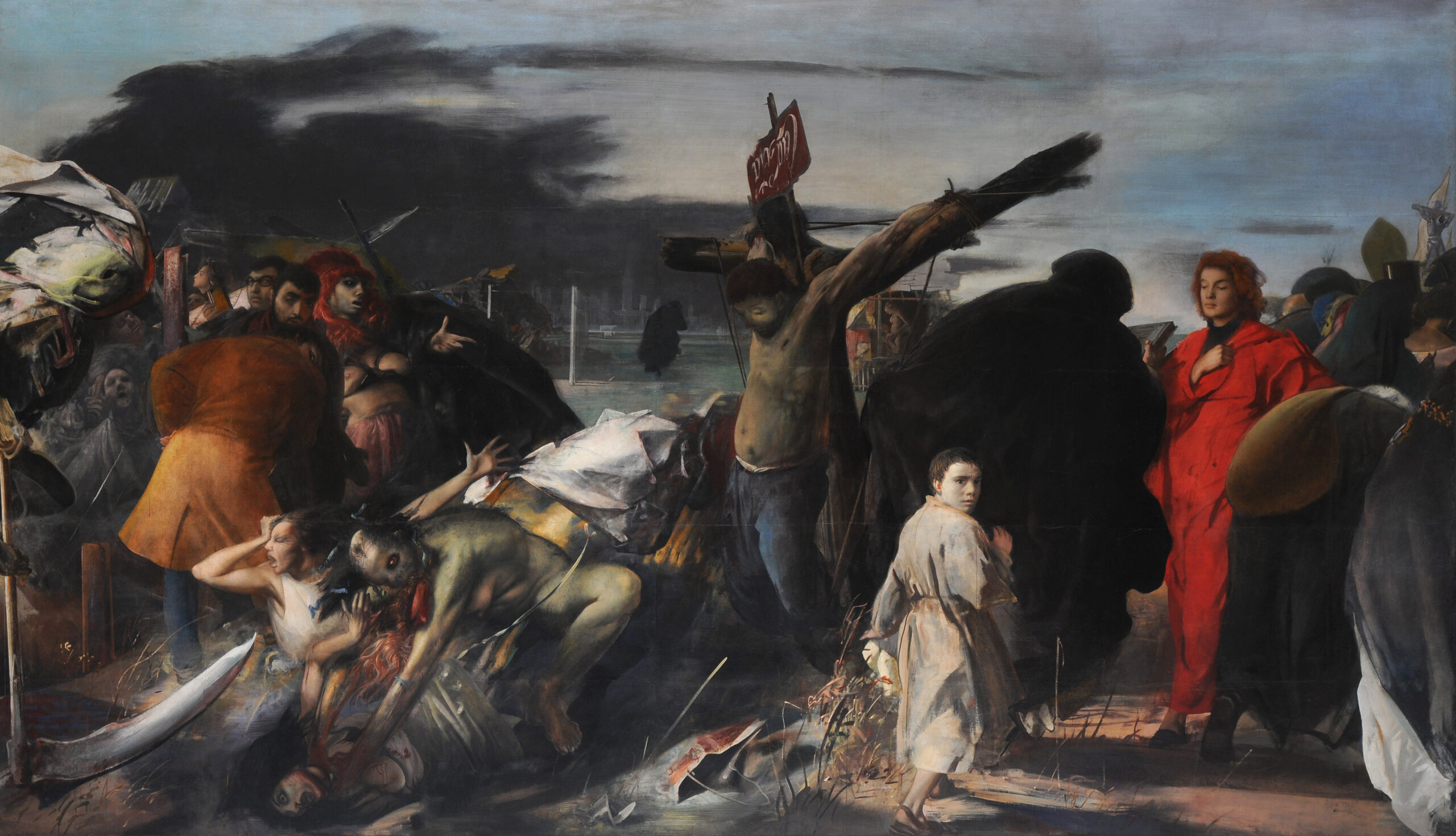
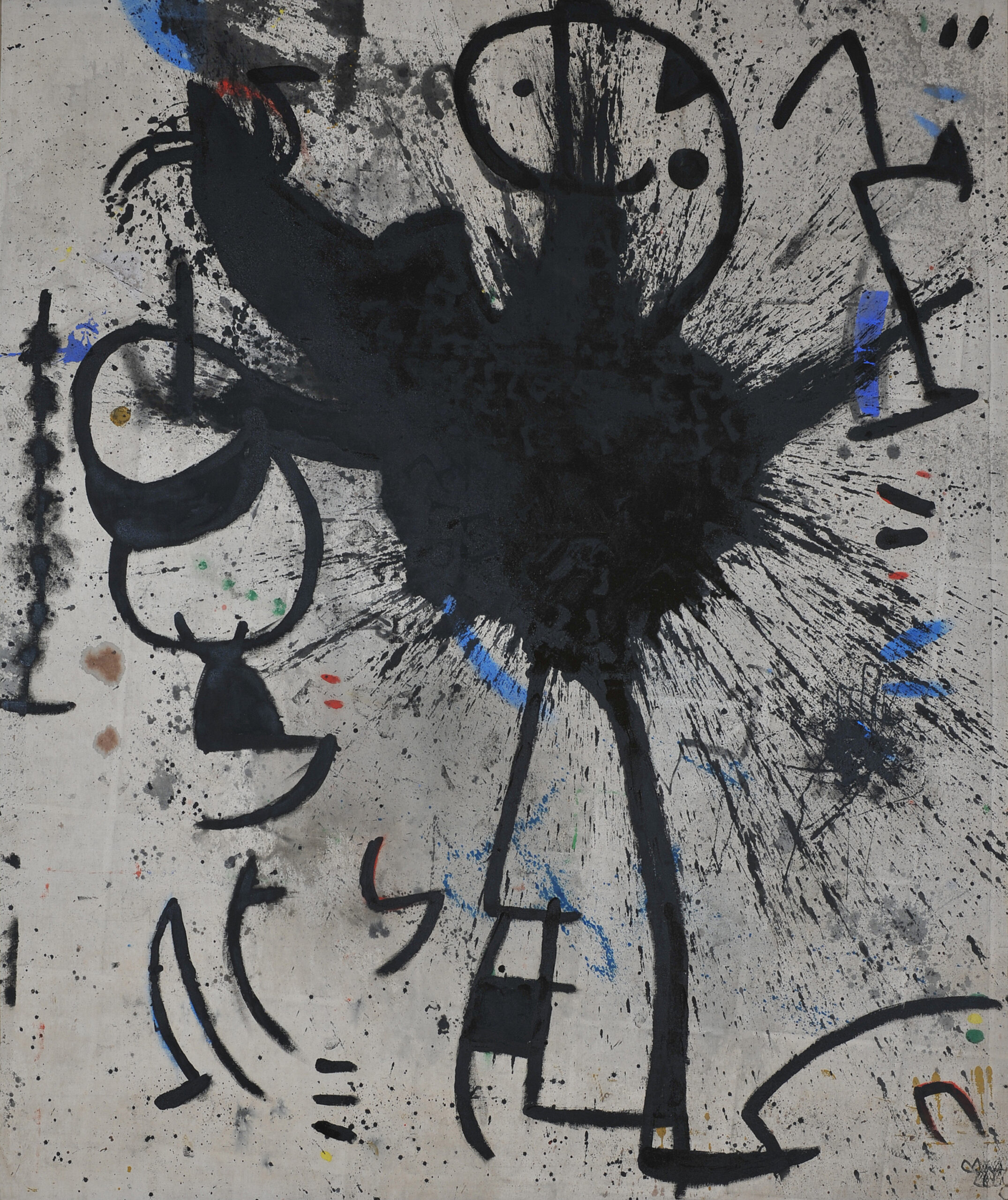
The Mo.C.A. is the first Civic Gallery in Montecatini and houses works of great prestige. Prominent among them is Joan Miró’s monumental painting, Woman Wrapped in a Bird’s Flight, made between 1975 and 1978 and donated by the artist to the city in 1980 on the occasion of the “Homage to Miró” event.

Sculptures and signatures of great art

The collection also includes sculptures by the Swiss artist Claraz, featured in the famous Larousse encyclopedia, and works by prominent artists such as Orfeo Tamburi, Umberto Buscioni, Sergio Scatizzi, and Marco Lodola, making the museum a landmark for 20th-century and contemporary art.

A living center of culture and experimentation

Mo.C.A. is much more than a museum: it is an active laboratory for the promotion of contemporary visual languages, with temporary exhibitions and educational activities. A space designed to engage, excite and experience art in all its forms.

Visit official website

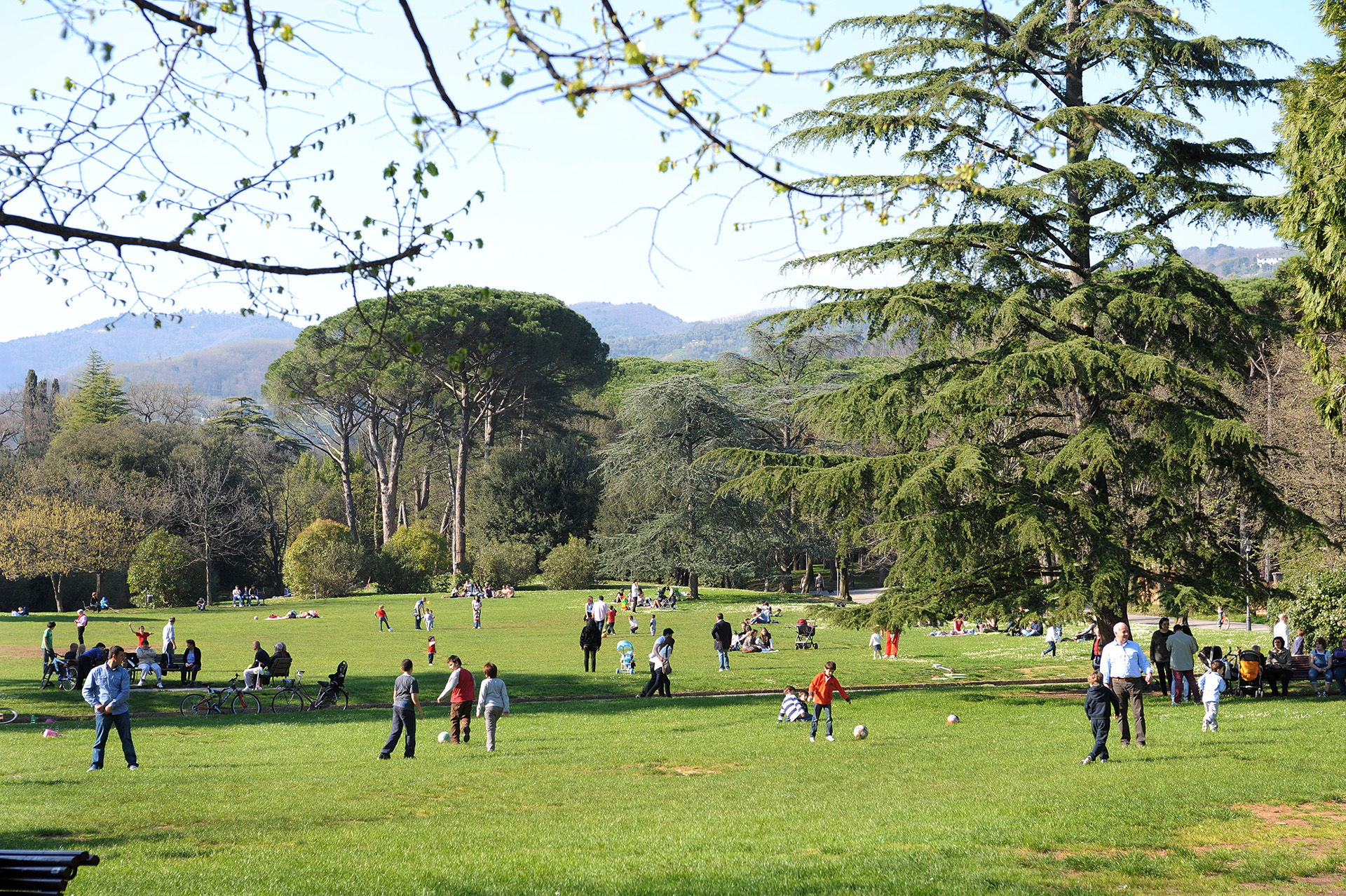
The La Pineta spa park is an oasis of tranquility and well-being, extending about 75,000 square meters.

This vast spa park, designed by architect Giulio Bernardini in 1912, surrounds the historic spas, including the Tettuccio, the Leopoldine, the Tamerici, and the Excelsior, offering a perfect blend of nature and architecture.

A path between nature and health

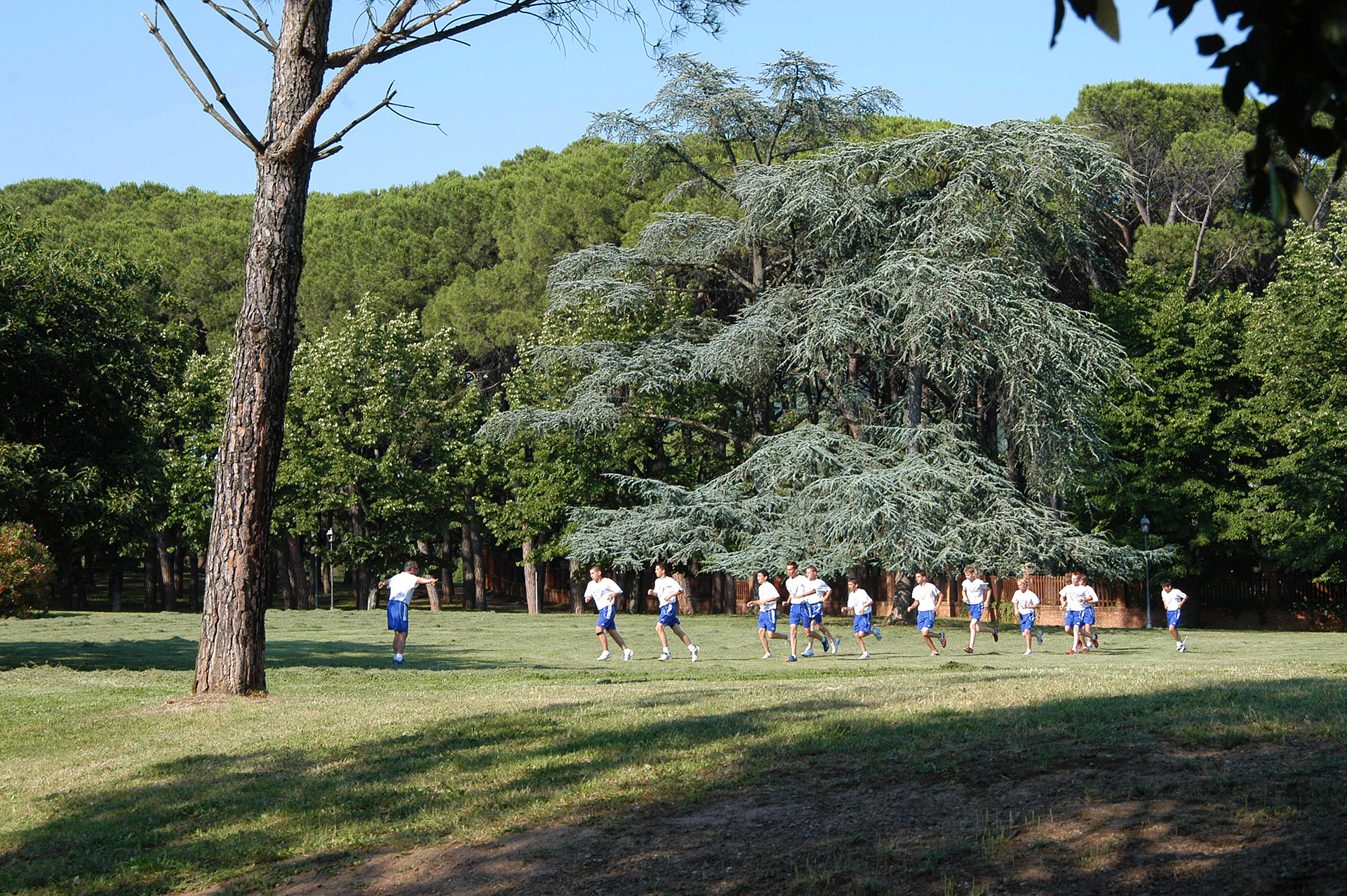
The Pineta is crisscrossed by tree-lined avenues and paths that wind through hills, ancient pines, and the Rio della Torretta, which forms a charming pond. The park is ideal for relaxing walks, sports activities and outdoor reading time. Every Saturday morning, it hosts “Terme Parkrun,” a free 5-kilometer run open to all, promoting a healthy and active lifestyle.

A heritage to be experienced

In addition to its recreational function, the Pine Forest is an integral part of the therapeutic landscape of Montecatini Terme, contributing to the psychological and physical well-being of visitors.


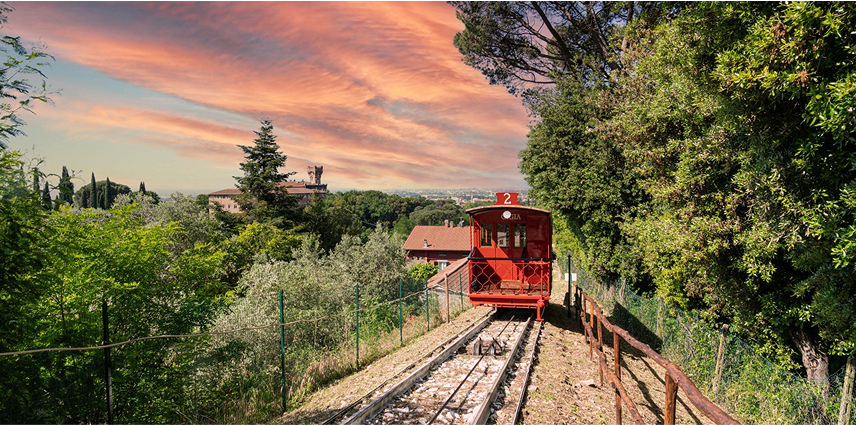
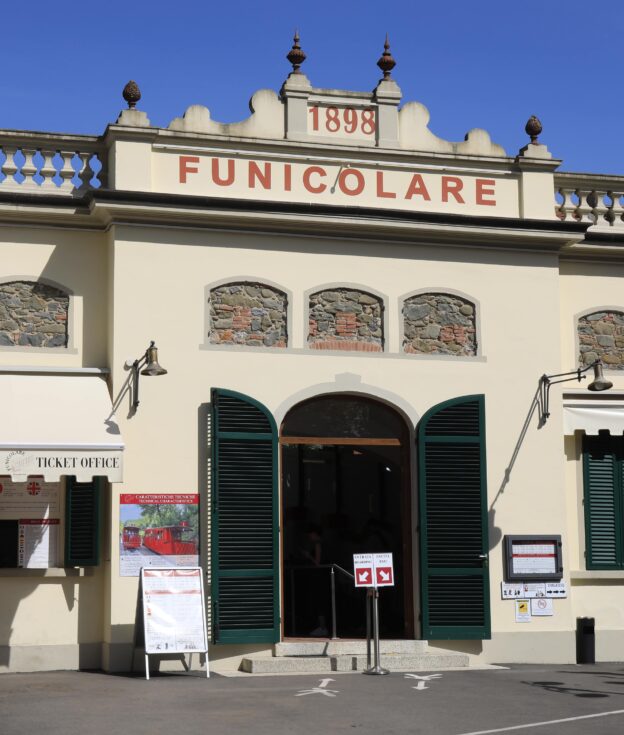
Inaugurated on June 4, 1898, in the presence of the famous composer Giuseppe Verdi, the Montecatini funicular, made up of two carriages, connects the spa town to the picturesque medieval village of Montecatini Alto.

Originally powered by a steam boiler located at the lower station, the system was upgraded in 1921 with an electric motor to make the service more efficient and safer.

Throughout its long history, the funicular experienced several interruptions: during World War II, war damage made the line unusable until 1949, and in 1977 major technical renovations required its closure until 1982.

Today, the two iconic red carriages “Gigio” and “Gigia” travel along a route just over 1,000 meters long, with a gradient reaching up to 40%. The journey, which takes about 8 minutes, offers passengers panoramic views over the Valdinievole and the elegant architecture of the spa town.

One of the most charming moments is when the two carriages cross paths halfway up the track, a scene that fascinates both children and adults alike.

VISIT THE FUNICULAR WEBSITE

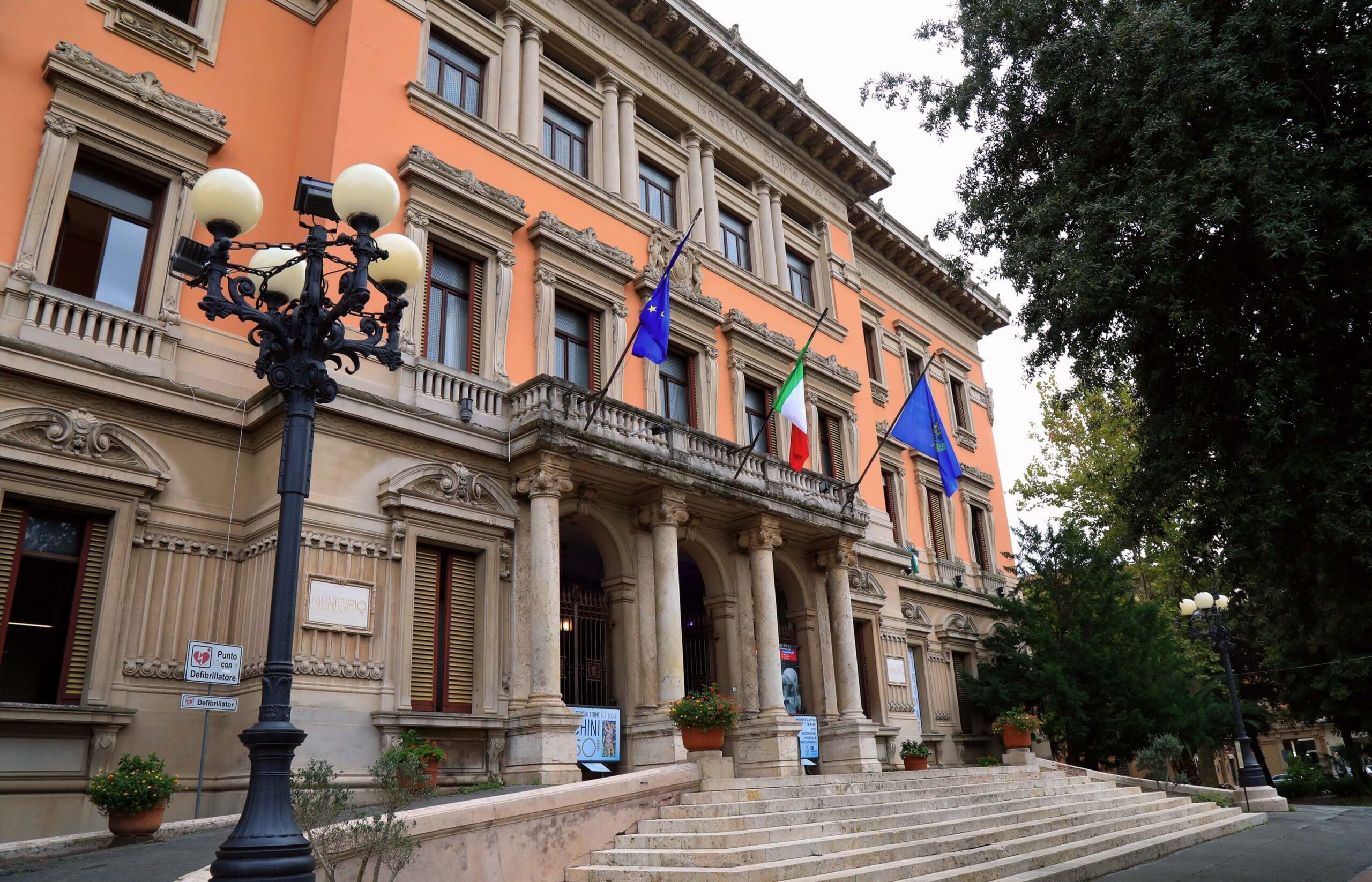
Overlooking the right side of Viale Verdi, the Town Hall Building was built between 1913 and 1919 where the Grand Ducal Stables once stood.

Its construction was in response to the need to provide Montecatini Terme with a civic seat appropriate to the prestige and growth the city was experiencing.

Architecture between classicism and eclecticism

Municipio

Designed by architect Raffaello Brizzi and municipal engineer Luigi Righetti, the building was inspired by Tuscan Renaissance palaces, while incorporating elements of the Eclecticism in vogue at the time, in a harmonious balance between tradition and modernity.

A treasure trove of art signed by Galileo Chini

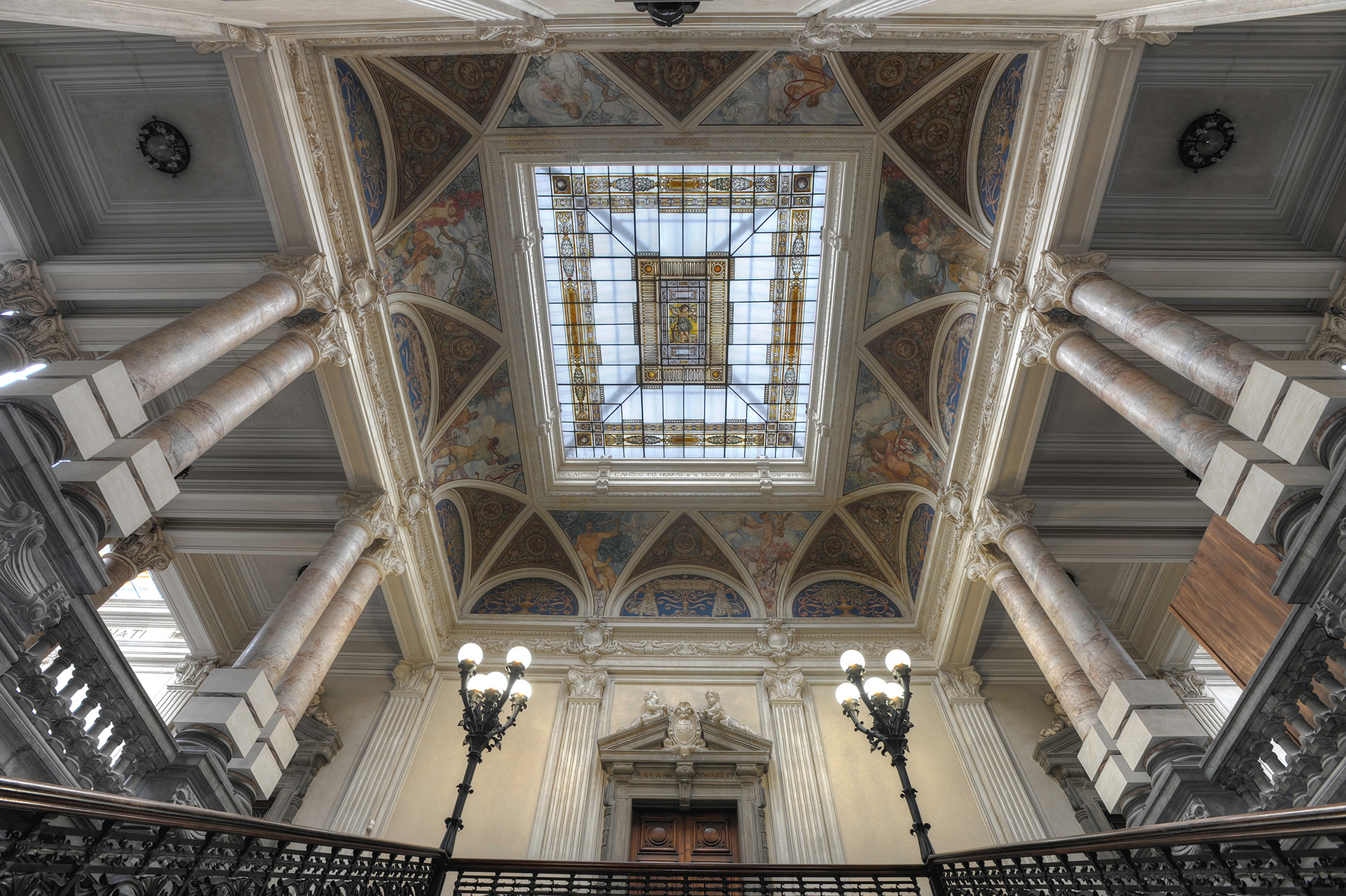
Inside, the entrance staircase is illuminated by polychromatic stained glass windows made by Galileo Chini, who also embellished the ceiling with an allegorical pictorial cycle dedicated to good governance: Working, Building, Knowing, Prospering in Peace.

From municipal headquarters to contemporary art

Mo.C.A.

The ground floor, where the post offices once stood, now houses the MO.C.A. (Montecatini Contemporary Art) civic gallery. Here one can admire the work “Woman Wrapped in a Bird’s Flight,” donated by Joan Mirò in 1980, along with temporary exhibitions and contemporary installations. Chini’s historiated stained glass windows, dedicated to the theme of communication, make the space even more striking.


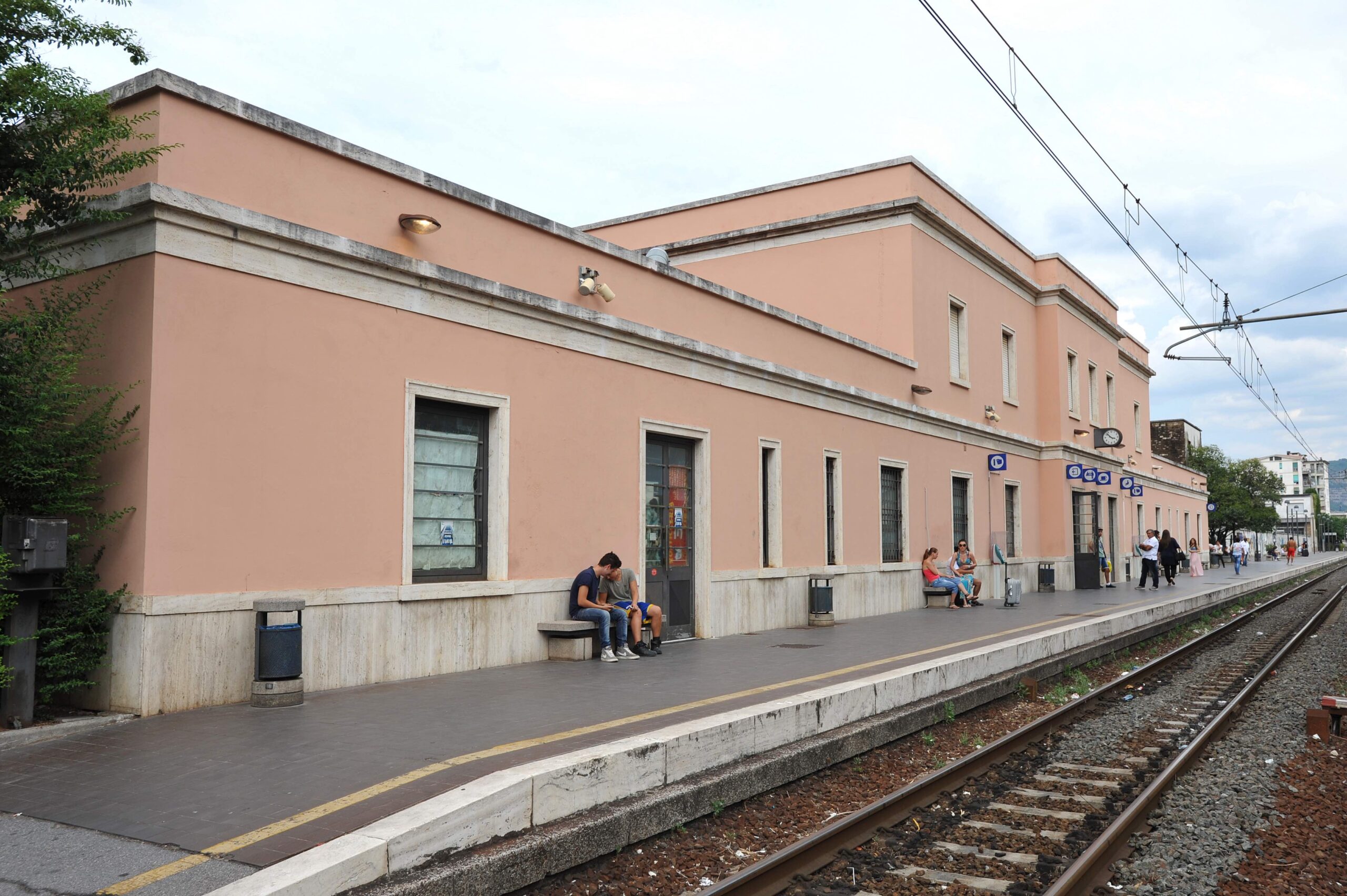
The present Montecatini Centro station was originally named “Leopoldina” and was the city’s only railroad yard for many years.

Since the early twentieth century, however, it proved insufficient to handle the high number of visitors flocking to Montecatini, especially during the spa season.

A new station for a growing city

To meet this need, a second station was built in 1937 by architect Angiolo Mazzoni. The building, with its imposing yet harmonious architecture, was constructed using stone from nearby Monsummano Terme.

An interior that tells the story of the past

The waiting room, now restored, retains its original charm and is an example of the rationalist architecture of the time, contributing to the cultural value of the entire complex.


A central figure in the history of Montecatini Terme, Dr. Pietro Grocco was appointed in 1892 as Government Inspector and Sanitary Director of the thermal baths.

With his intervention, the baths were reorganized and made an integrated system, demonstrating how the state should protect and enhance the thermal waters as a public good. His contribution laid the foundation for the modern Montecatini Spa complex.

A cottage between elegance and prestige

Located in the southern part of Montecatini Alto, on Mura Pietro Grocco Street, the eponymous cottage reflects the stature of its owner. Nestled in a lush garden, the building resembles a small castle: loggias, towers and jutting roofs define its refined aesthetic. Giuseppe Verdi, whose personal physician Grocco was, was also a guest here.

A work signed by Vittorio Bardini

The villa was designed by Pistoiese engineer Vittorio Bardini and opened on July 6, 1902. Its unique style and cozy atmosphere made it an exclusive and representative place of Montecatini prestige from the very beginning.

Today a fine accommodation facility

Villino Grocco has kept its charm intact and now houses a hospitality business, welcoming visitors in a setting that combines history, architecture and nature.


Villino Scalabrino is a symbolic place in the history of Montecatini Terme, linked to prominent figures in the city and in Tuscany. It was commissioned by physician Alberto Scalabrino from architect Giulio Bernardini, a central figure in the city’s urban planning.

He is credited with such masterpieces as the Grand Hotel & La Pace, the Bristol, the Eden and the Torretta, Fortuna and Tamerici spas.

The garden signed by Pietro Porcinai

In the 1950s, at the behest of Dino Scalabrino-famous health director of the spa-the villa was enlarged and enriched by landscape architect Pietro Porcinai, considered the greatest Italian landscape architect of the 20th century. Walking along Via Magenta, it is still possible to admire the elegant ornamental garden, designed with vegetation inspired by spa parks and with a gate with the typical curved lines of Art Nouveau.

A partnership between art, nature and healing

The understanding between Porcinai and Dino Scalabrino was consolidated over time. In 1969, the latter commissioned the architect to create an outdoor museum at Villa Ortensie, the future heart of the Dino Scalabrino Art Academy. A project that combines nature, wellness and culture.

A private and discreet beauty

Today the Villino Scalabrino is privately owned and cannot be visited, but it remains one of the most fascinating buildings on the Montecatinese architectural scene, a witness to an era of great artistic and cultural ferment.


This site is registered on wpml.org as a development site. Switch to a production site key to remove this banner.