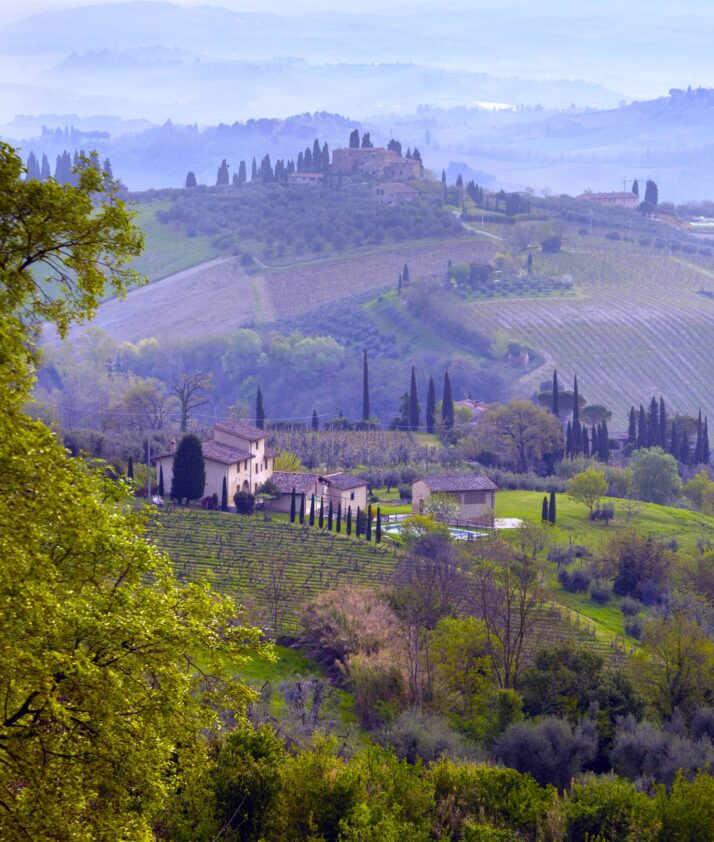
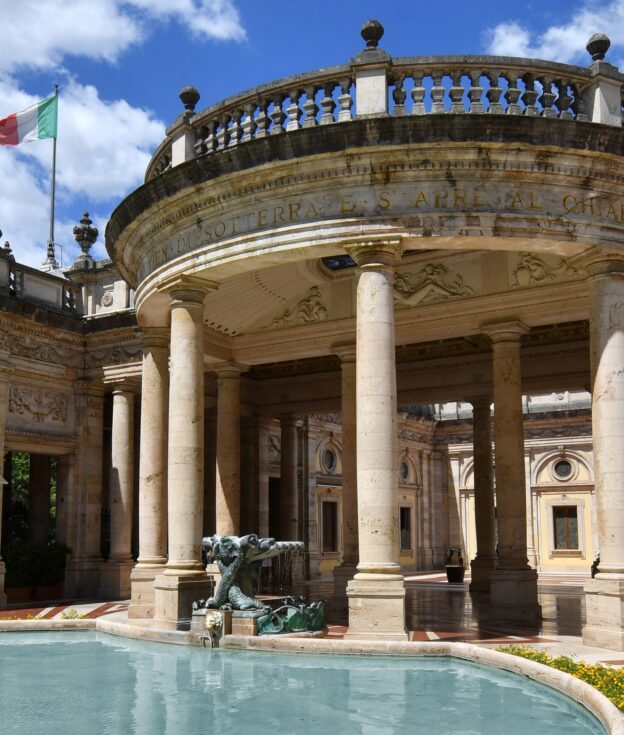
The La Pineta spa park is an oasis of tranquility and well-being, extending about 75,000 square meters.

This vast spa park, designed by architect Giulio Bernardini in 1912, surrounds the historic spas, including the Tettuccio, the Leopoldine, the Tamerici, and the Excelsior, offering a perfect blend of nature and architecture.

A path between nature and health
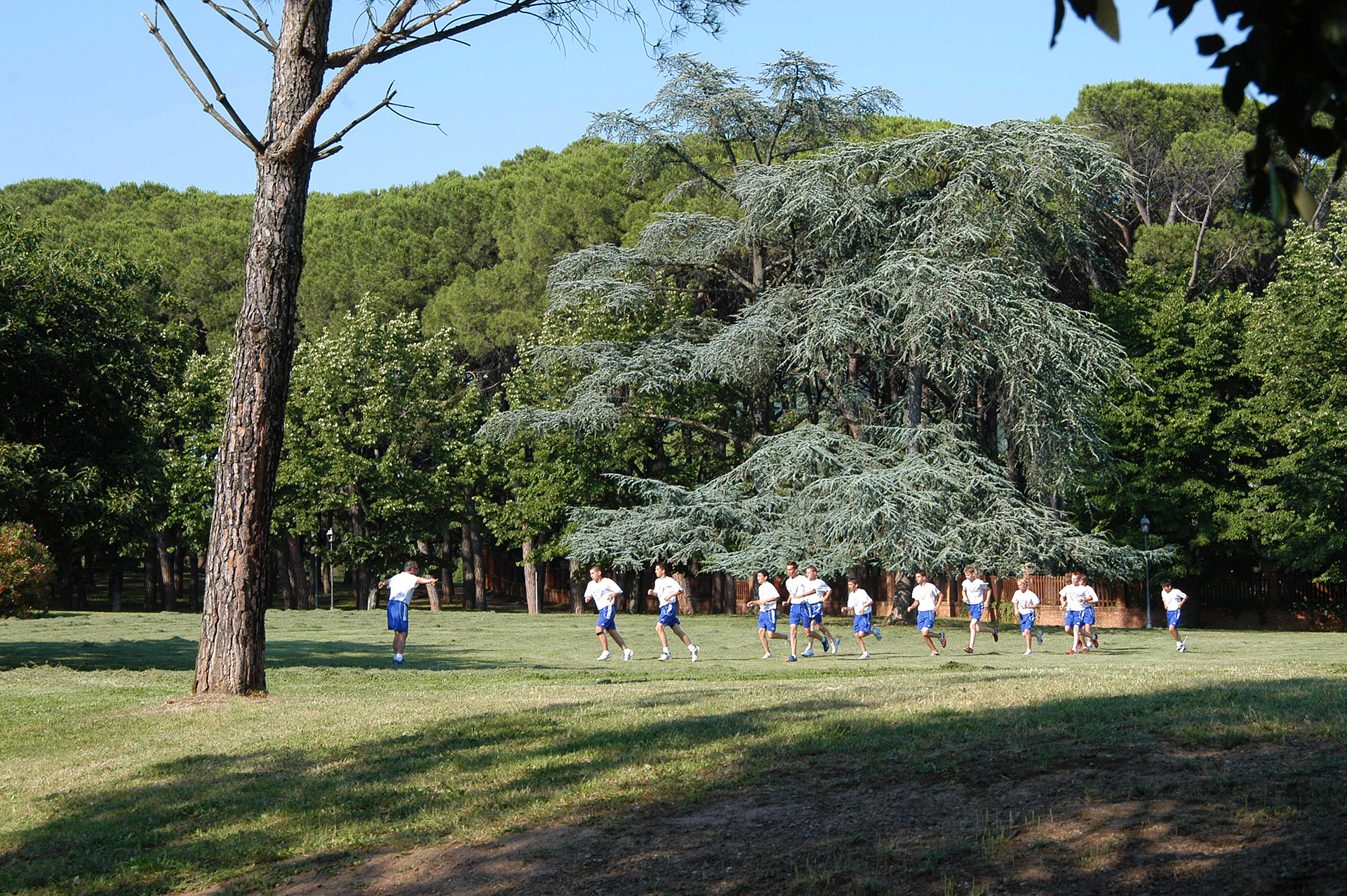
The Pineta is crisscrossed by tree-lined avenues and paths that wind through hills, ancient pines, and the Rio della Torretta, which forms a charming pond. The park is ideal for relaxing walks, sports activities and outdoor reading time. Every Saturday morning, it hosts “Terme Parkrun,” a free 5-kilometer run open to all, promoting a healthy and active lifestyle.

A heritage to be experienced
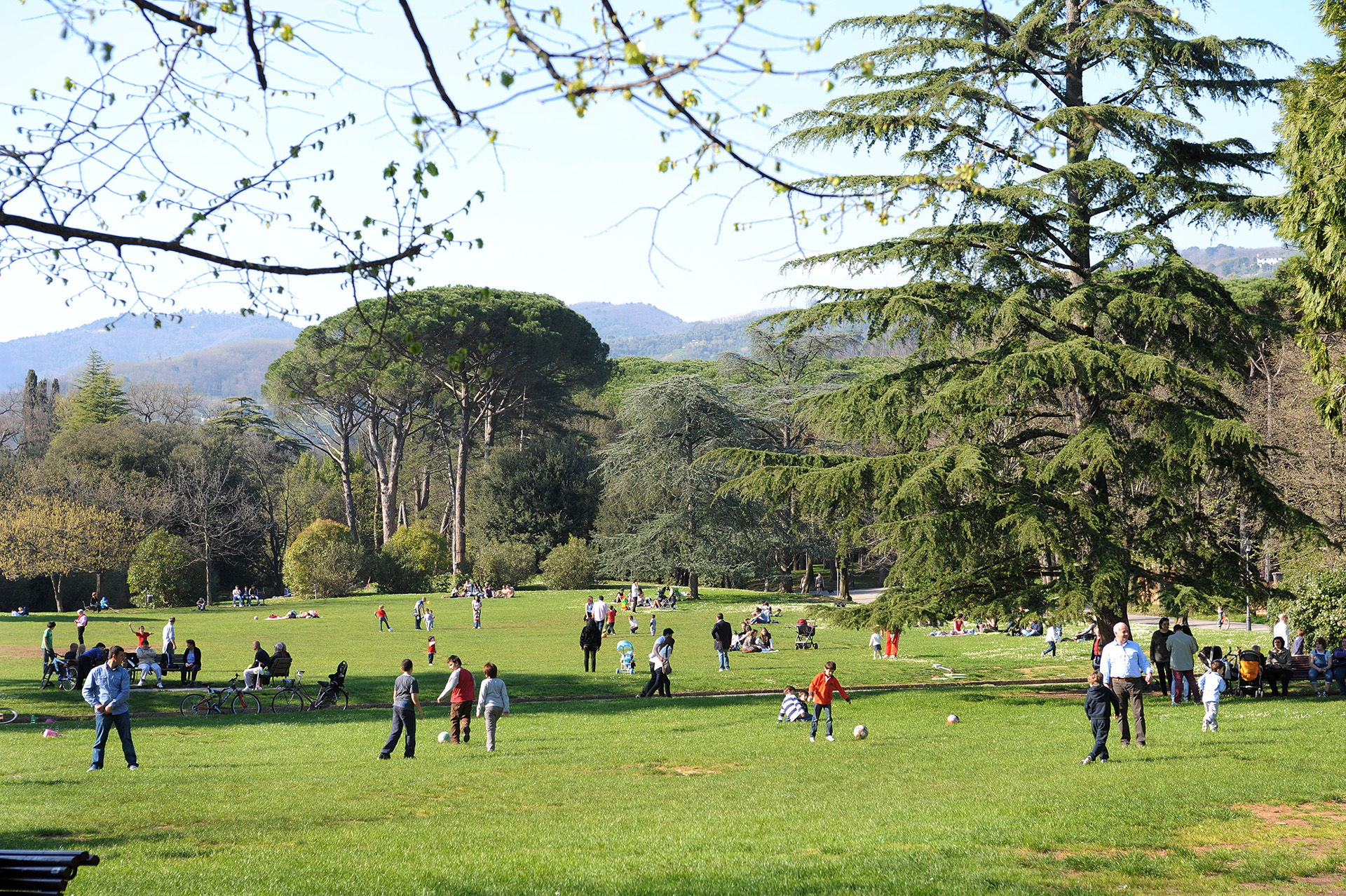
In addition to its recreational function, the Pine Forest is an integral part of the therapeutic landscape of Montecatini Terme, contributing to the psychological and physical well-being of visitors.

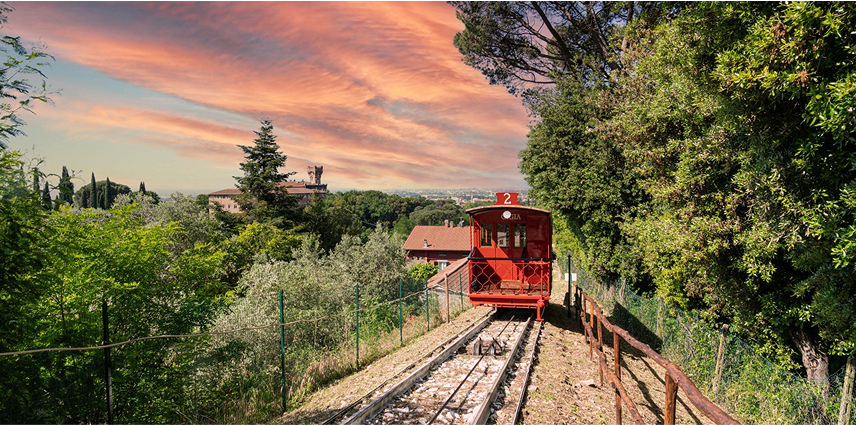
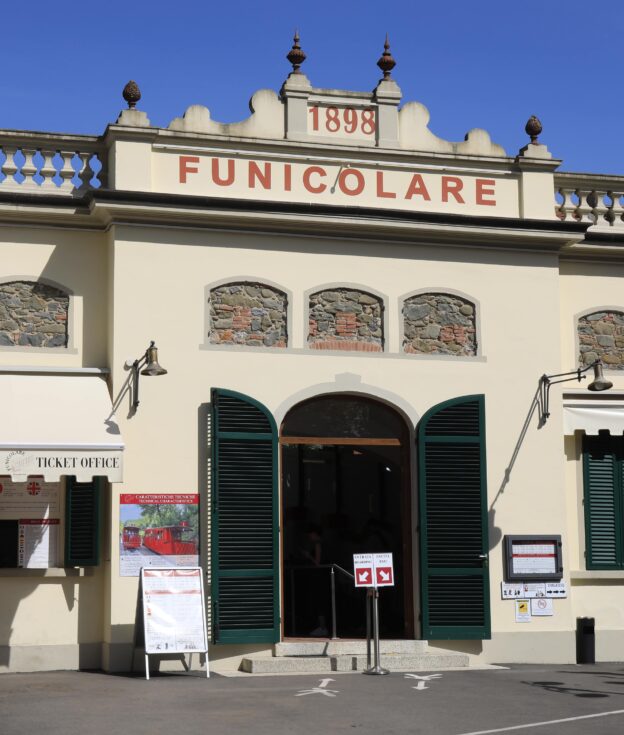
Inaugurated on June 4, 1898, in the presence of the famous composer Giuseppe Verdi, the Montecatini funicular, made up of two carriages, connects the spa town to the picturesque medieval village of Montecatini Alto.

Originally powered by a steam boiler located at the lower station, the system was upgraded in 1921 with an electric motor to make the service more efficient and safer.

Throughout its long history, the funicular experienced several interruptions: during World War II, war damage made the line unusable until 1949, and in 1977 major technical renovations required its closure until 1982.

Today, the two iconic red carriages “Gigio” and “Gigia” travel along a route just over 1,000 meters long, with a gradient reaching up to 40%. The journey, which takes about 8 minutes, offers passengers panoramic views over the Valdinievole and the elegant architecture of the spa town.

One of the most charming moments is when the two carriages cross paths halfway up the track, a scene that fascinates both children and adults alike.

VISIT THE FUNICULAR WEBSITE

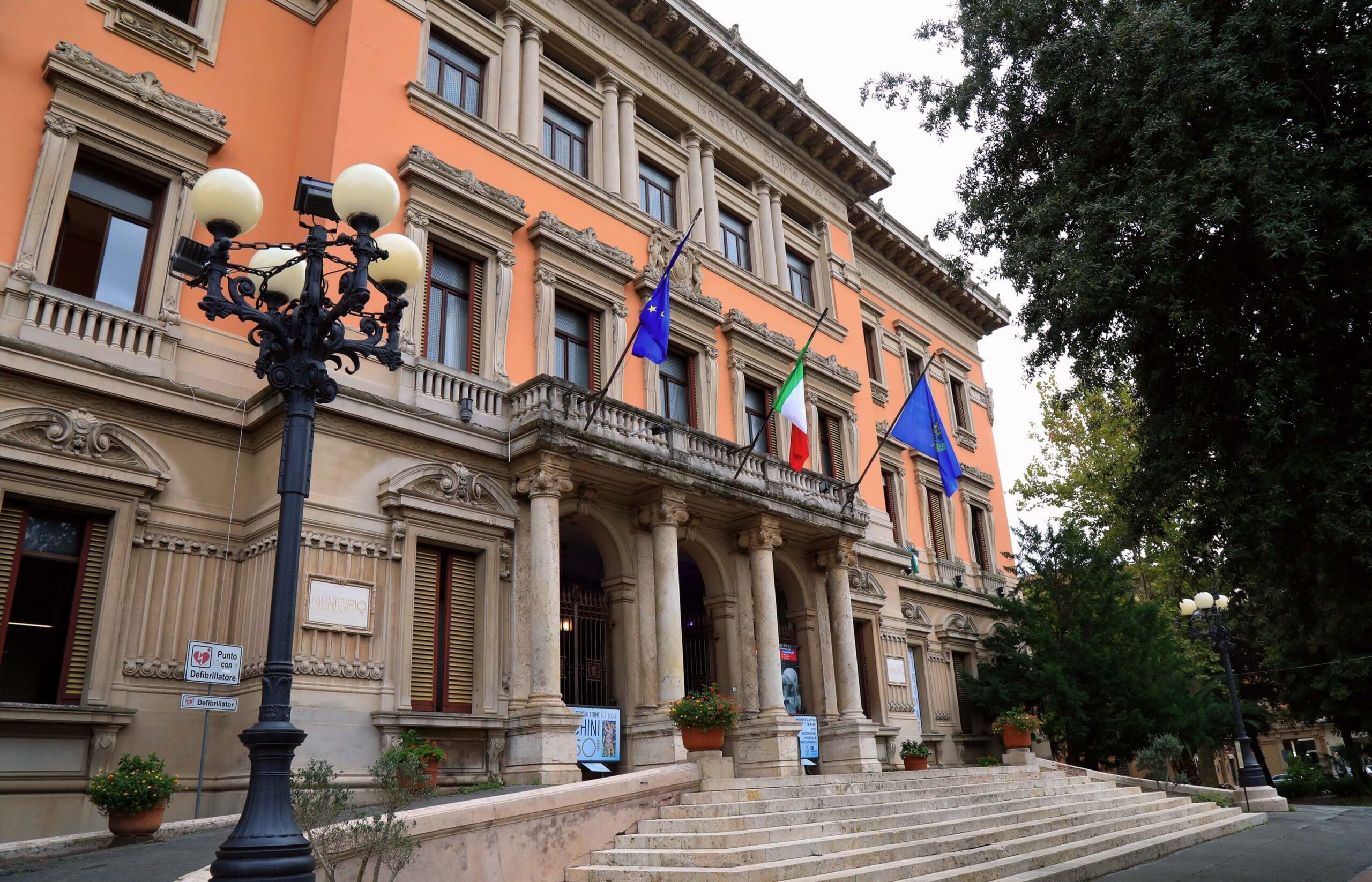
Overlooking the right side of Viale Verdi, the Town Hall Building was built between 1913 and 1919 where the Grand Ducal Stables once stood.

Its construction was in response to the need to provide Montecatini Terme with a civic seat appropriate to the prestige and growth the city was experiencing.

Architecture between classicism and eclecticism

Municipio

Designed by architect Raffaello Brizzi and municipal engineer Luigi Righetti, the building was inspired by Tuscan Renaissance palaces, while incorporating elements of the Eclecticism in vogue at the time, in a harmonious balance between tradition and modernity.

A treasure trove of art signed by Galileo Chini

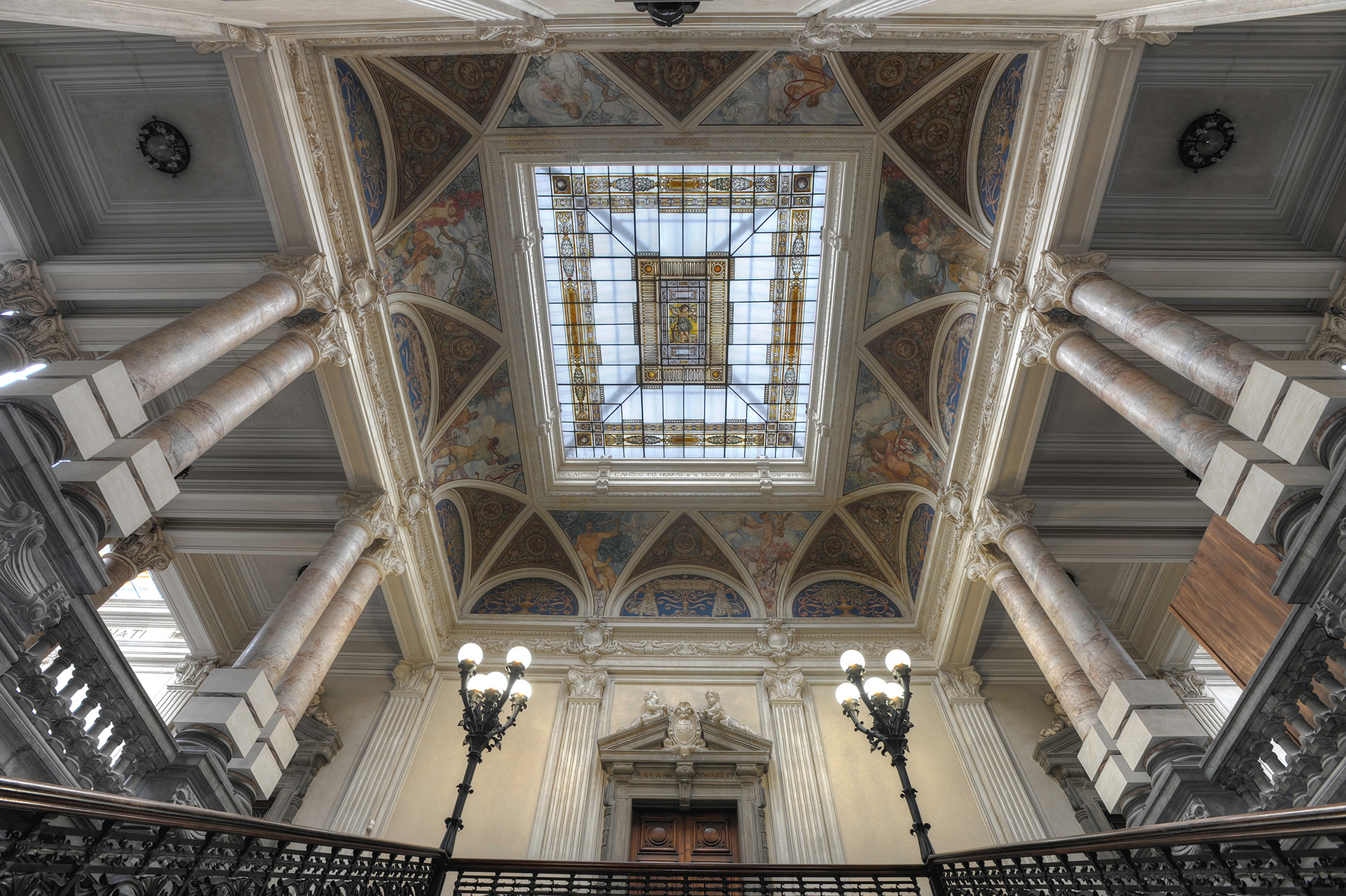
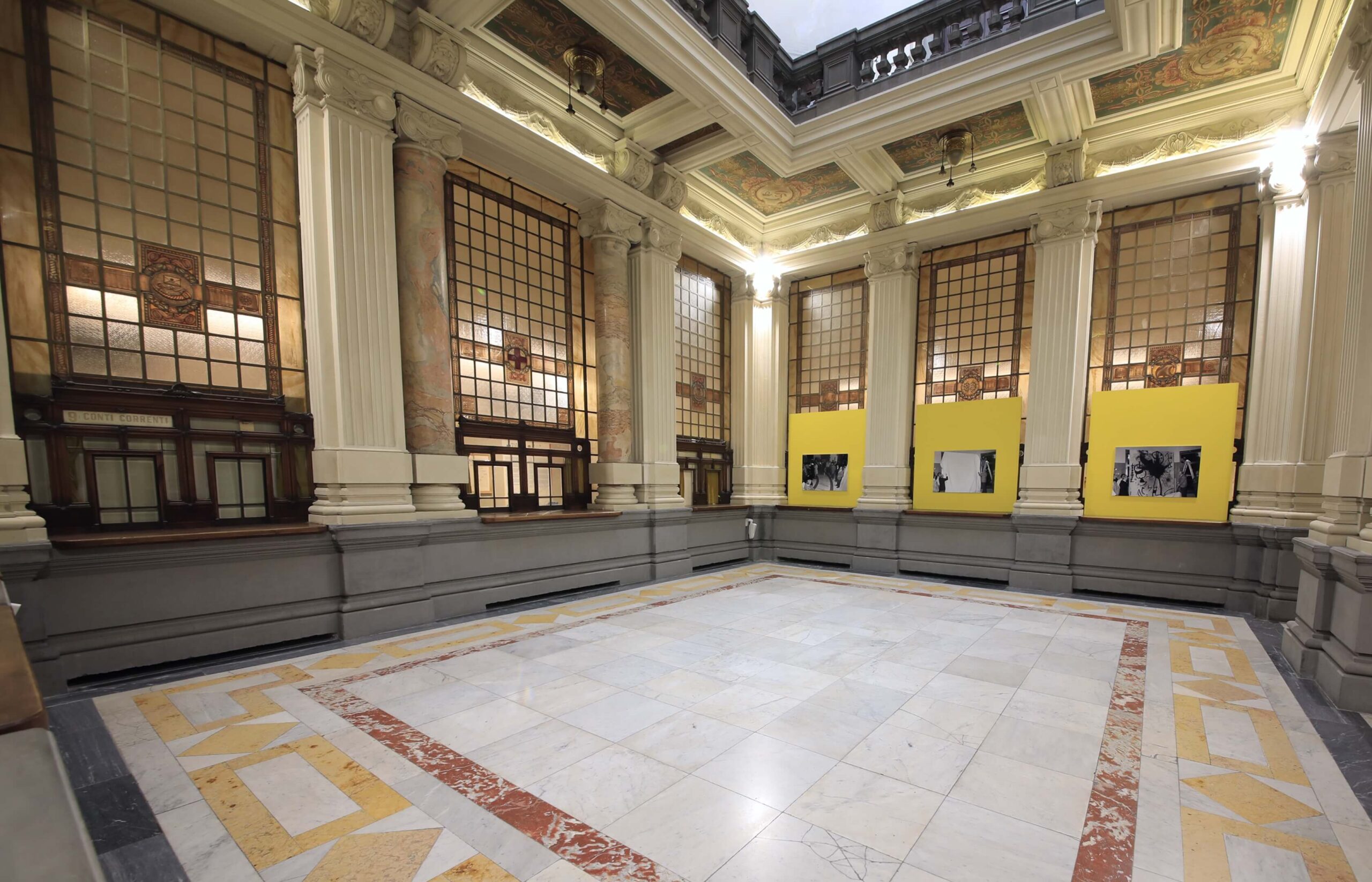
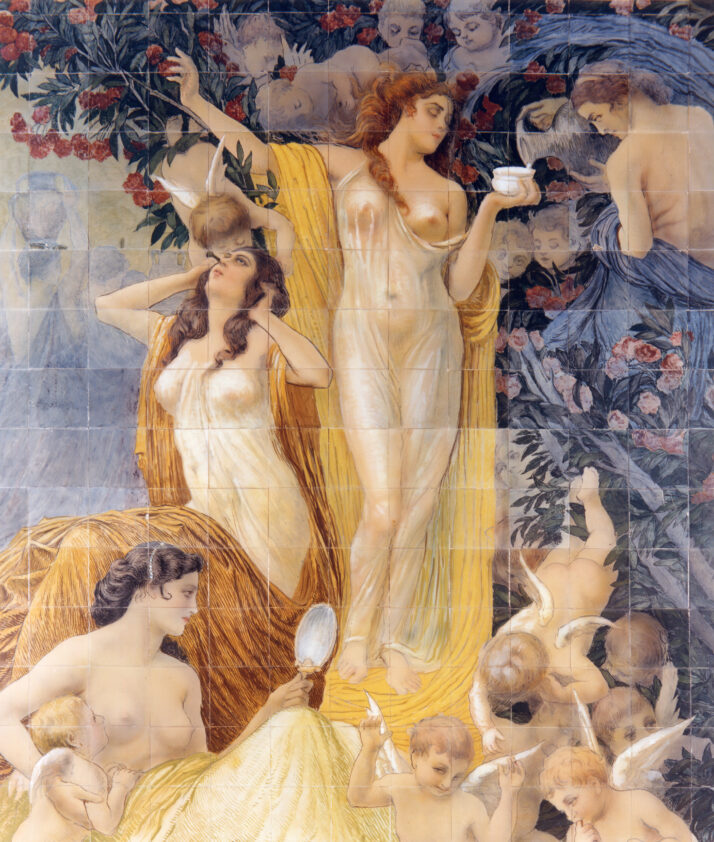
Inside, the entrance staircase is illuminated by polychromatic stained glass windows made by Galileo Chini, who also embellished the ceiling with an allegorical pictorial cycle dedicated to good governance: Working, Building, Knowing, Prospering in Peace.

From municipal headquarters to contemporary art

Mo.C.A.

The ground floor, where the post offices once stood, now houses the MO.C.A. (Montecatini Contemporary Art) civic gallery. Here one can admire the work “Woman Wrapped in a Bird’s Flight,” donated by Joan Mirò in 1980, along with temporary exhibitions and contemporary installations. Chini’s historiated stained glass windows, dedicated to the theme of communication, make the space even more striking.


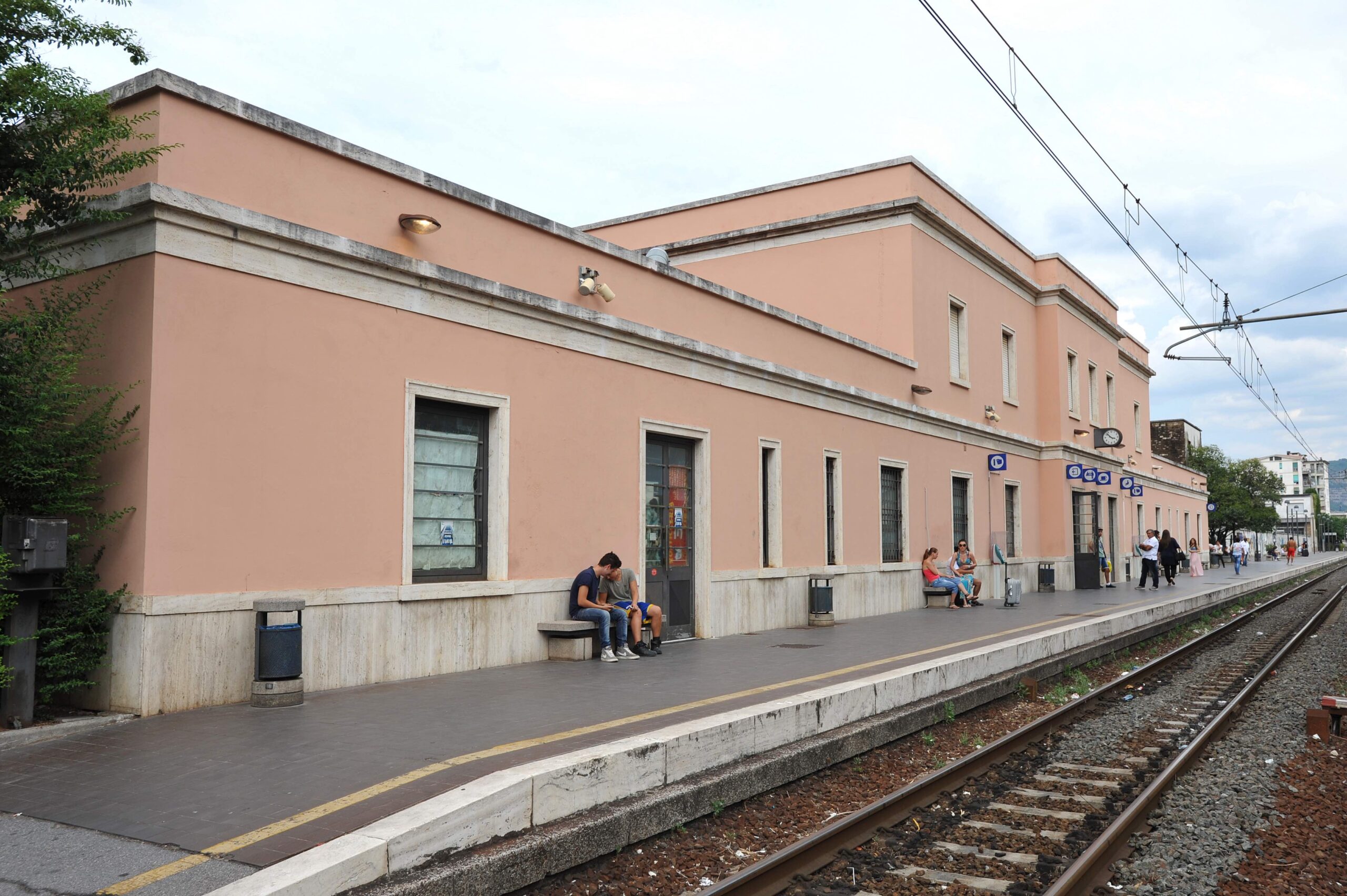
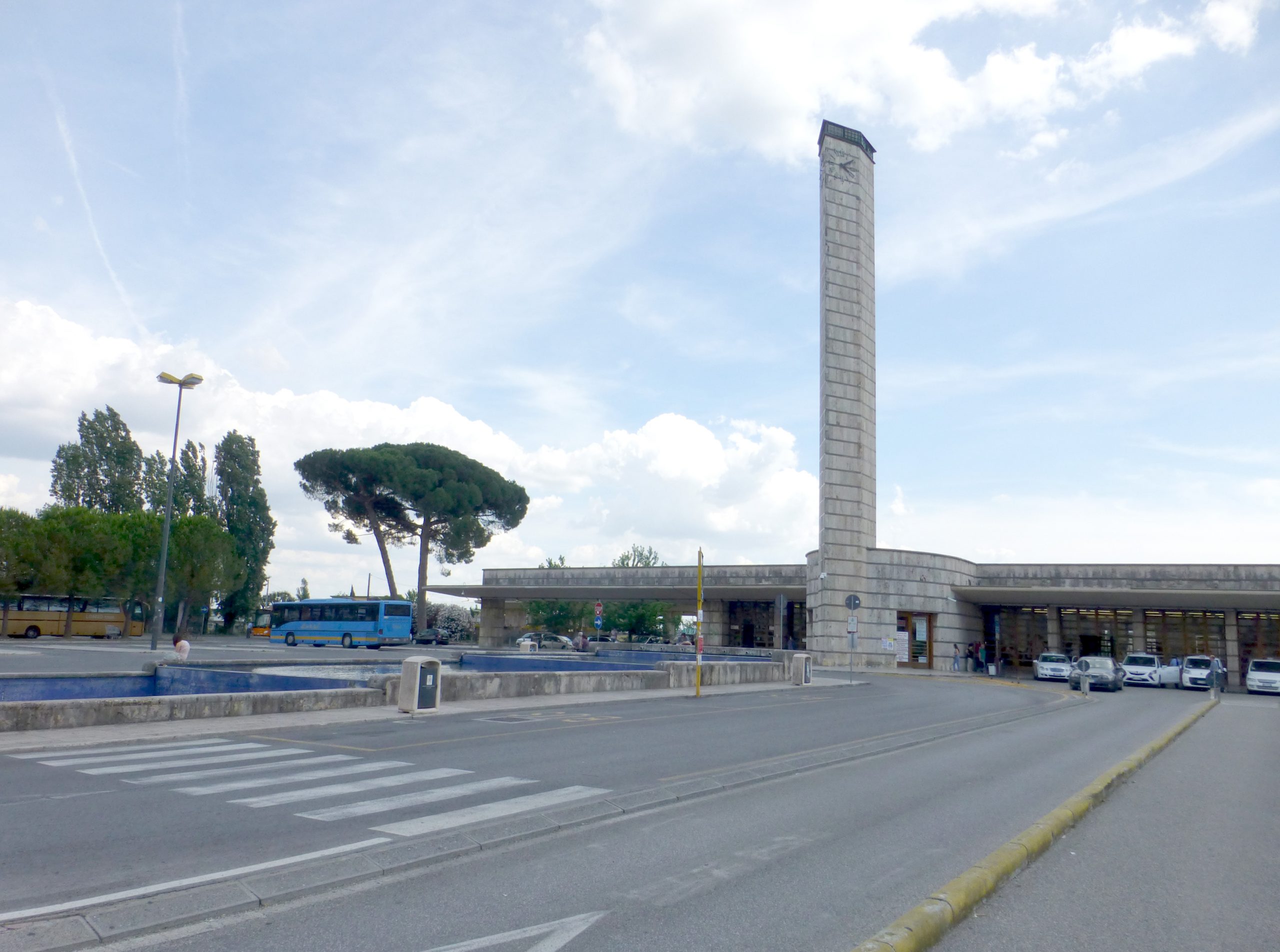
The present Montecatini Centro station was originally named “Leopoldina” and was the city’s only railroad yard for many years.

Since the early twentieth century, however, it proved insufficient to handle the high number of visitors flocking to Montecatini, especially during the spa season.

A new station for a growing city

To meet this need, a second station was built in 1937 by architect Angiolo Mazzoni. The building, with its imposing yet harmonious architecture, was constructed using stone from nearby Monsummano Terme.

An interior that tells the story of the past

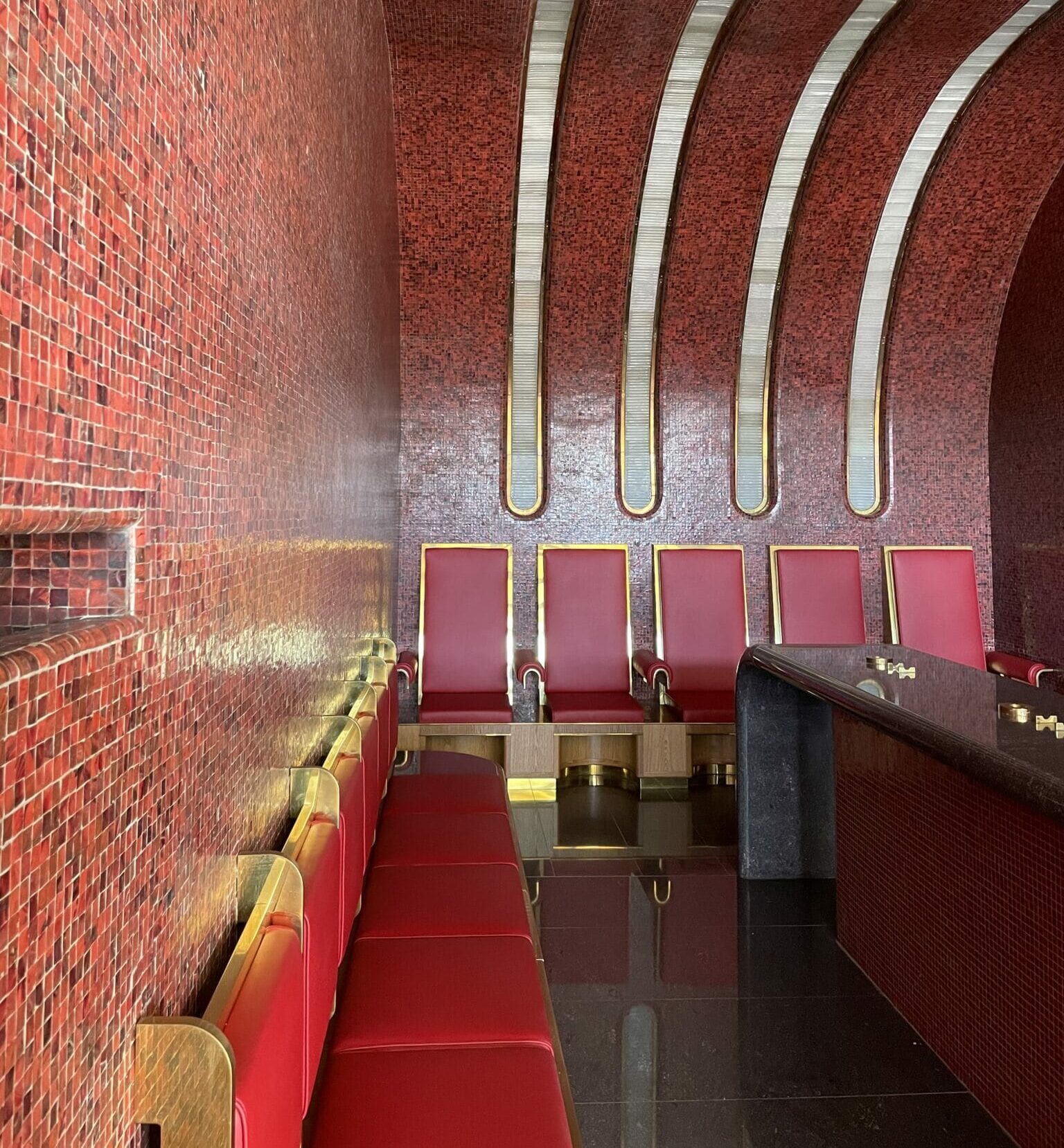
The waiting room, now restored, retains its original charm and is an example of the rationalist architecture of the time, contributing to the cultural value of the entire complex.


A central figure in the history of Montecatini Terme, Dr. Pietro Grocco was appointed in 1892 as Government Inspector and Sanitary Director of the thermal baths.

With his intervention, the baths were reorganized and made an integrated system, demonstrating how the state should protect and enhance the thermal waters as a public good. His contribution laid the foundation for the modern Montecatini Spa complex.

A cottage between elegance and prestige

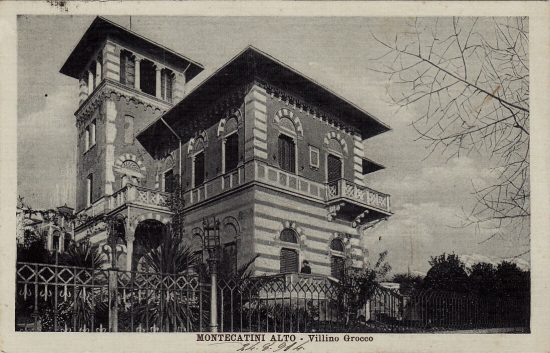
Located in the southern part of Montecatini Alto, on Mura Pietro Grocco Street, the eponymous cottage reflects the stature of its owner. Nestled in a lush garden, the building resembles a small castle: loggias, towers and jutting roofs define its refined aesthetic. Giuseppe Verdi, whose personal physician Grocco was, was also a guest here.

A work signed by Vittorio Bardini

The villa was designed by Pistoiese engineer Vittorio Bardini and opened on July 6, 1902. Its unique style and cozy atmosphere made it an exclusive and representative place of Montecatini prestige from the very beginning.

Today a fine accommodation facility

Villino Grocco has kept its charm intact and now houses a hospitality business, welcoming visitors in a setting that combines history, architecture and nature.


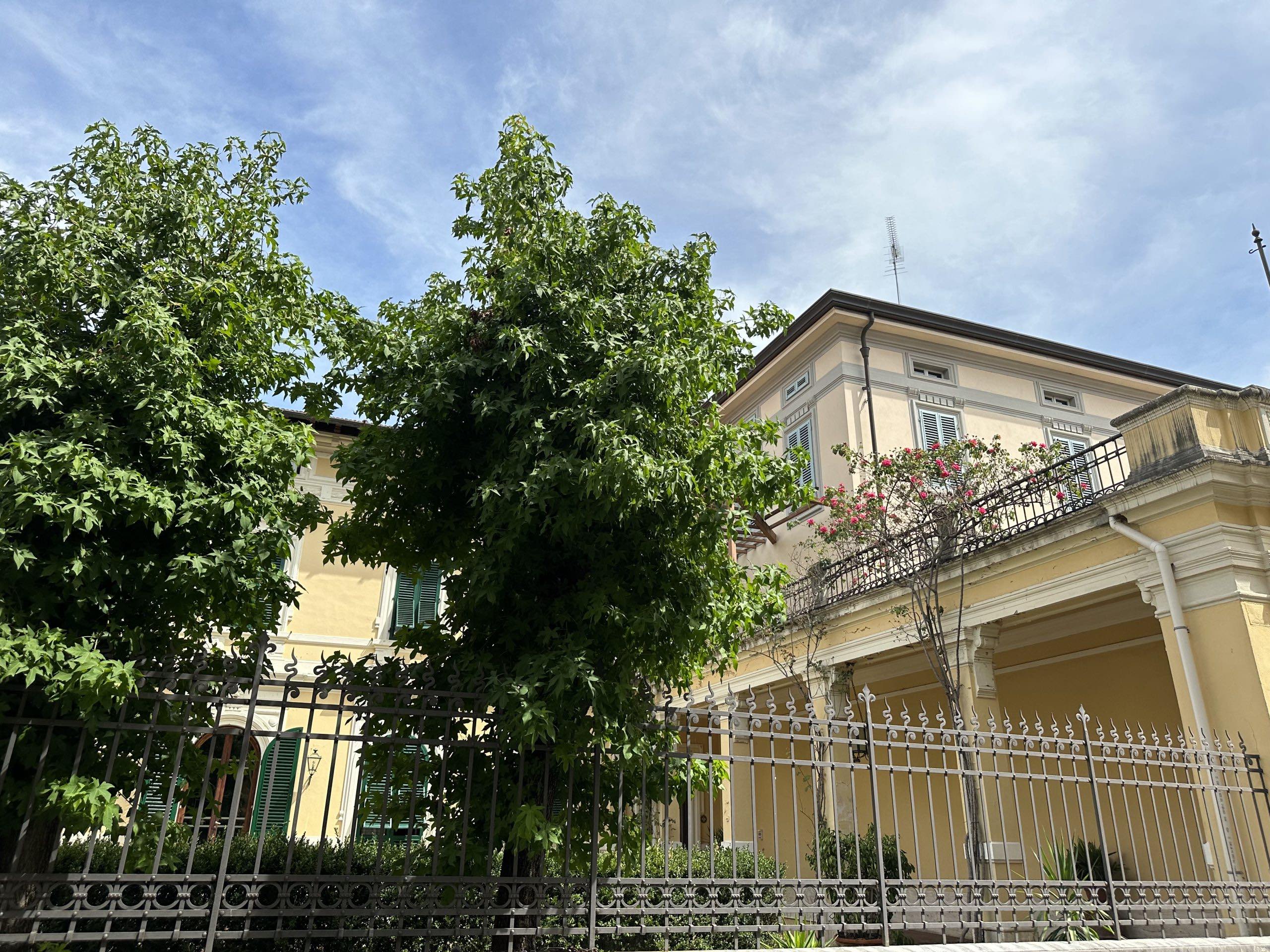
Villino Scalabrino is a symbolic place in the history of Montecatini Terme, linked to prominent figures in the city and in Tuscany. It was commissioned by physician Alberto Scalabrino from architect Giulio Bernardini, a central figure in the city’s urban planning.

He is credited with such masterpieces as the Grand Hotel & La Pace, the Bristol, the Eden and the Torretta, Fortuna and Tamerici spas.

The garden signed by Pietro Porcinai

In the 1950s, at the behest of Dino Scalabrino-famous health director of the spa-the villa was enlarged and enriched by landscape architect Pietro Porcinai, considered the greatest Italian landscape architect of the 20th century. Walking along Via Magenta, it is still possible to admire the elegant ornamental garden, designed with vegetation inspired by spa parks and with a gate with the typical curved lines of Art Nouveau.

A partnership between art, nature and healing

The understanding between Porcinai and Dino Scalabrino was consolidated over time. In 1969, the latter commissioned the architect to create an outdoor museum at Villa Ortensie, the future heart of the Dino Scalabrino Art Academy. A project that combines nature, wellness and culture.

A private and discreet beauty

Today the Villino Scalabrino is privately owned and cannot be visited, but it remains one of the most fascinating buildings on the Montecatinese architectural scene, a witness to an era of great artistic and cultural ferment.


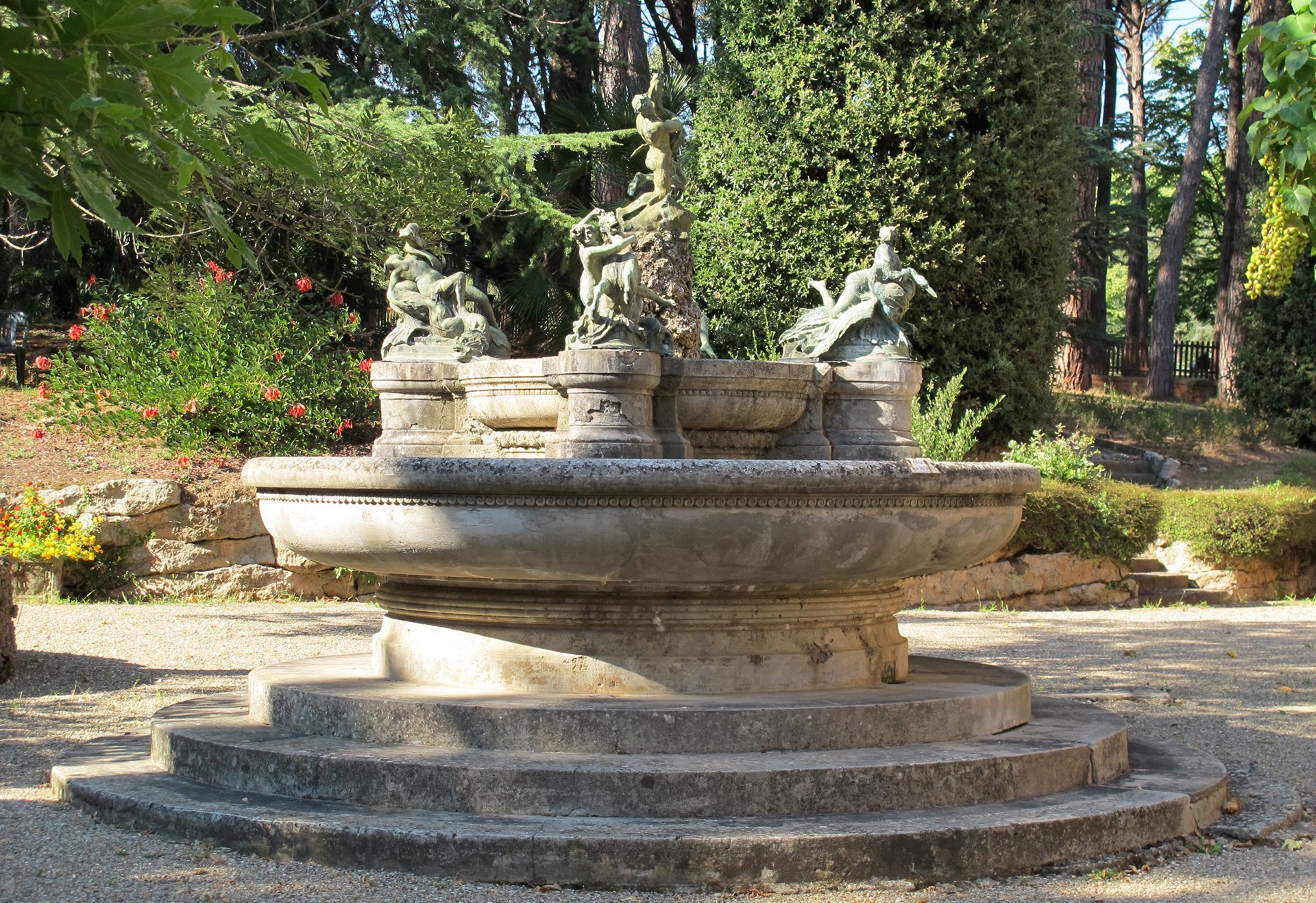
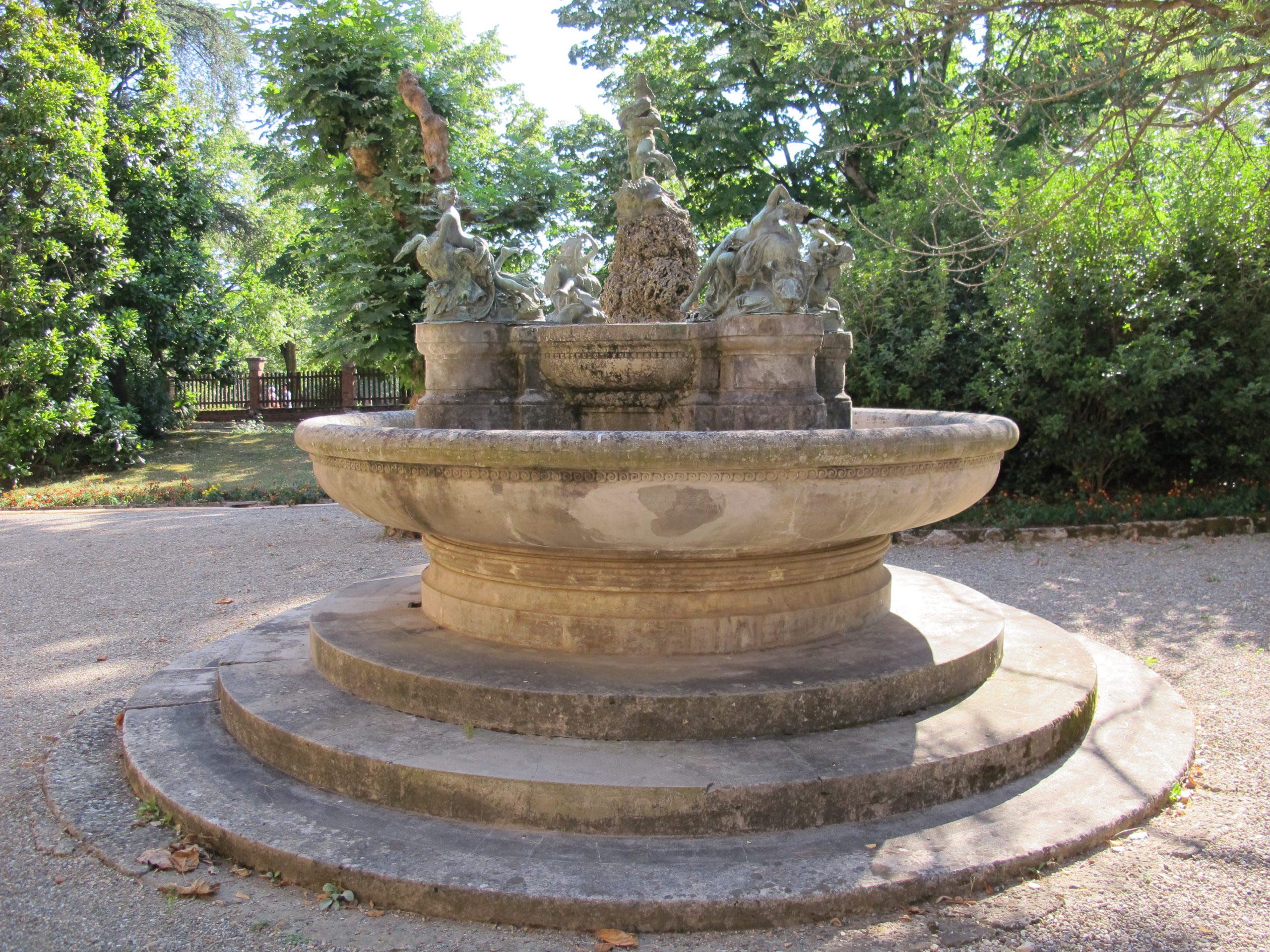
The Naiads, in Greek mythological tradition, were nymphs associated with fresh water, a symbol of beauty and vitality.

In Montecatini Terme, these legendary figures take shape in an exquisite fountain, located in the striking garden of the Tamerici Establishment.

A work signed by Mario Rutelli

The fountain was created in the 1930s by Palermo sculptor Mario Rutelli, the same author of the famous Fountain of the Naiads in Rome’s Piazza della Repubblica. The one in Montecatini represents a prototype, designed to evoke the purity and benefits of the city’s thermal waters.

Four nymphs, one harmony of water and art

The sculptural composition consists of four bronze female figures lying on travertine bases, each with a specific identity:

  • the Nymph of the Lakes, recognizable by the swan;
    the Nymph of the Underground Waters, riding a dragon;
  • The Nymph of the Oceans, riding a horse;

The River Nymph, lying on a sea monster.

An icon of art in the spa green

Surrounded by greenery and tranquility, the Naiad Fountain represents a perfect blend of nature, symbolism and sculptural art, helping to make the atmosphere of the Tamerici Plant even more fairy-tale and enchanted.


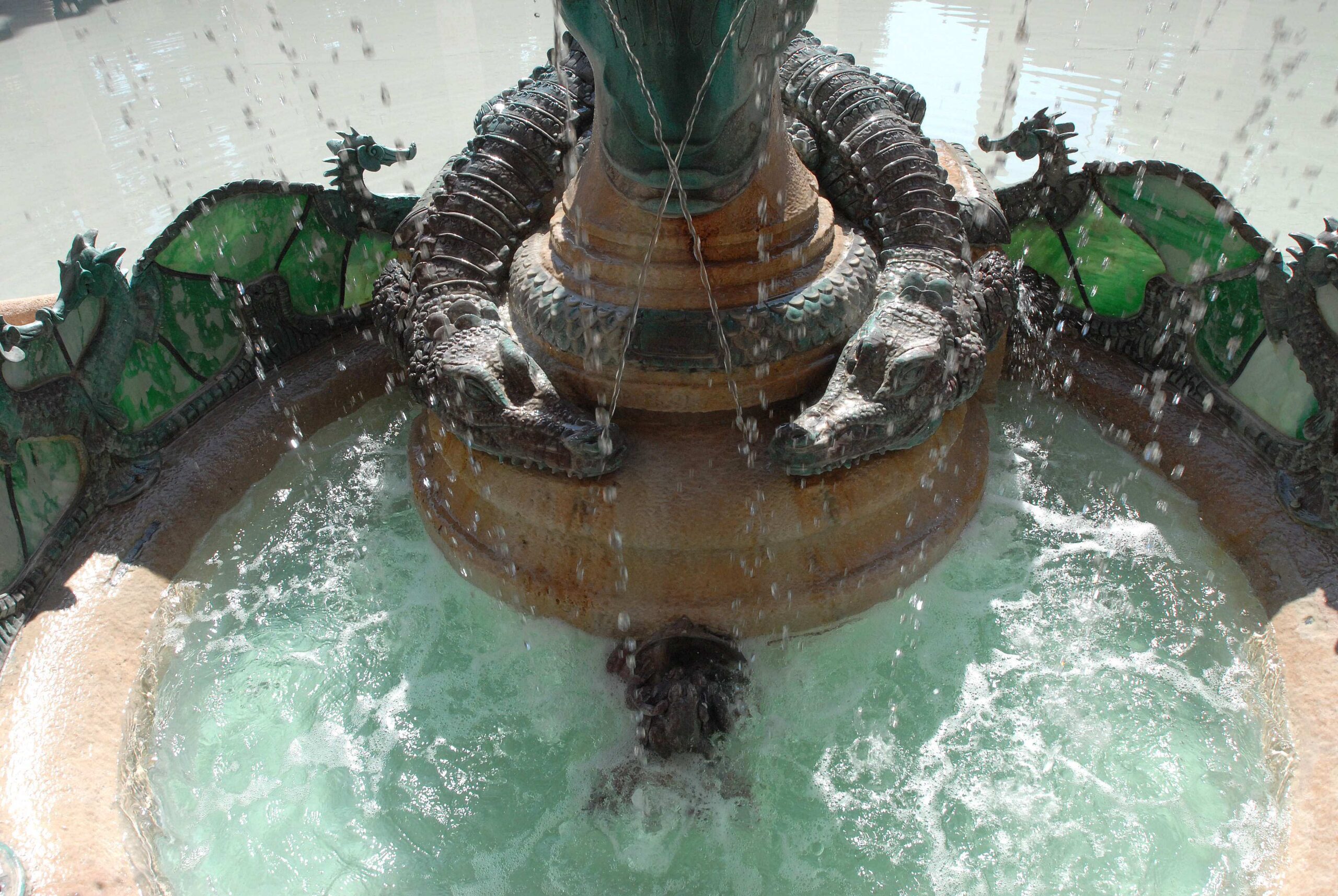
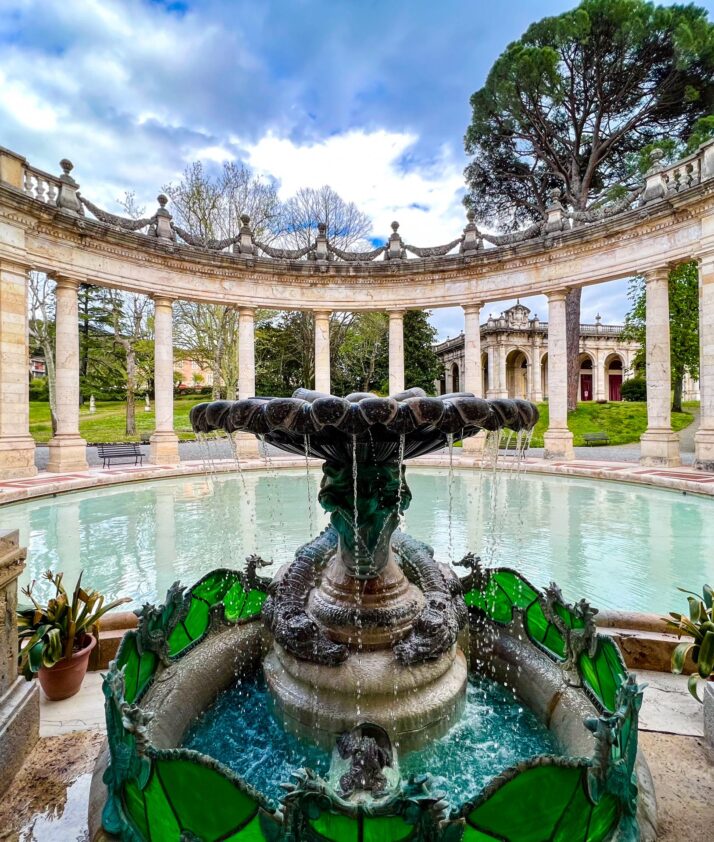
The Crocodile Fountain, considered the symbol of the Tettuccio Establishment, was created by Florentine artist Sirio Tofanari and inaugurated on October 17, 1926, to coincide with the opening of the spa.

This striking fountain features two bronze crocodiles supporting a dark Labrador granite shell. From here, the Tettuccio spring flows into a large circular travertine pool, elegantly decorated with seahorses and green glass blocks.

Restoration and Symbolism

Tofanari’s work benefited from a major restoration in March 2023, sponsored and financed by the Angeli del Bello association of Montecatini Terme. The restoration allowed the base, now damaged by the wear and tear of time, to be rebuilt. The Crocodile Fountain represents a splendid water play that celebrates the magnificence and importance of the spa town’s most representative establishment.


Water is the fundamental element that has allowed Montecatini Terme to thrive over the centuries. The benefits of its thermal springs are celebrated by the many fountains scattered throughout the city’s main squares.

Imagining the Railway Station as a gateway to the city, the first monument that greets the tourist is indeed a fountain, the Mazzoni Fountain.

History and Architecture

This sculpture was built in the 1930s to complete the new railway station, designed by architect Angiolo Mazzoni, after whom the fountain is named. The presence of this imposing monument in the square in front of the station highlights the strong connection between the city and water, which is further enhanced by the details of the fountain itself: a tall tower covered in blue mosaics, surrounded by three sloping basins in which water flows forming small waterfalls.

The station was built between 1933 and 1937 to support the strong expansion that the city experienced at that time, making the only station in Gramsci Square insufficient. In 2016, a project was launched to restore the structure’s waiting rooms, which were opened to the public for the first time during the 2021 FAI Spring Days. The work, overseen by the Superintendency, sought to use the original materials and furnishings as much as possible to be faithful to Mazzoni’s work.


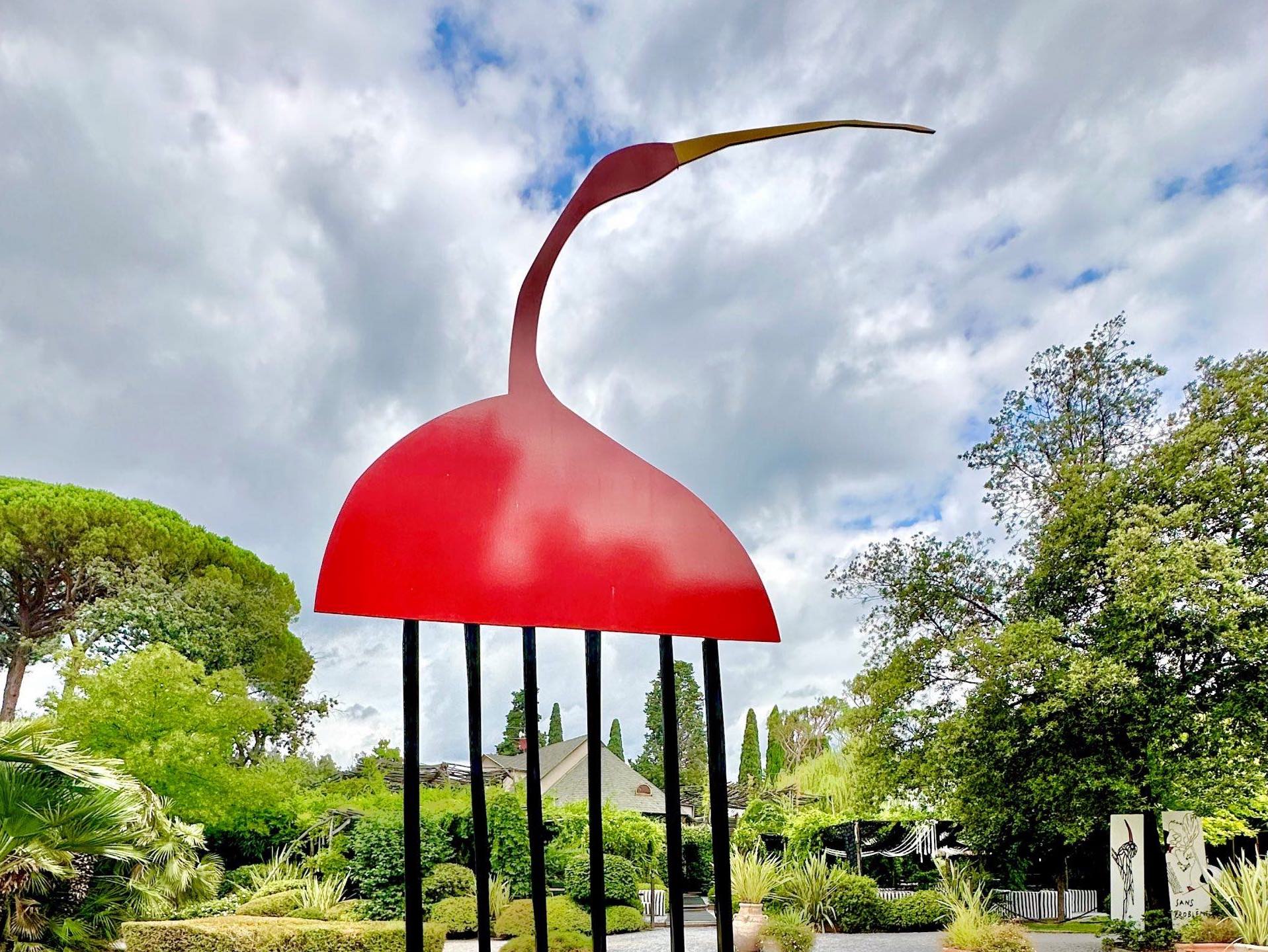
The heron is the symbolic animal of Montecatini Terme, a choice that is also reflected in the prestigious “Golden Heron,” the award given each year to the winners of the “Montecatini International Short Film Festival.”

This film festival is the second oldest and longest-running in Italy, preceded only by the Venice Film Festival.

Symbol of Eclecticism and Identity

The work titled Red Heron, created in 2003 by Fabio De Poli in collaboration with Mirabili, is located on Verdi Avenue near the City Hall building. The sculpture depicts a stylized steel heron, an intense vermilion color, placed on a rectangular platform that soars its figure. This work perfectly embodies the spirit of Montecatini Terme, not only because the heron is its symbol, but also because of the eclectic style that distinguishes both the sculpture and the city as a whole: a harmonious fusion of styles that makes Montecatini unique.


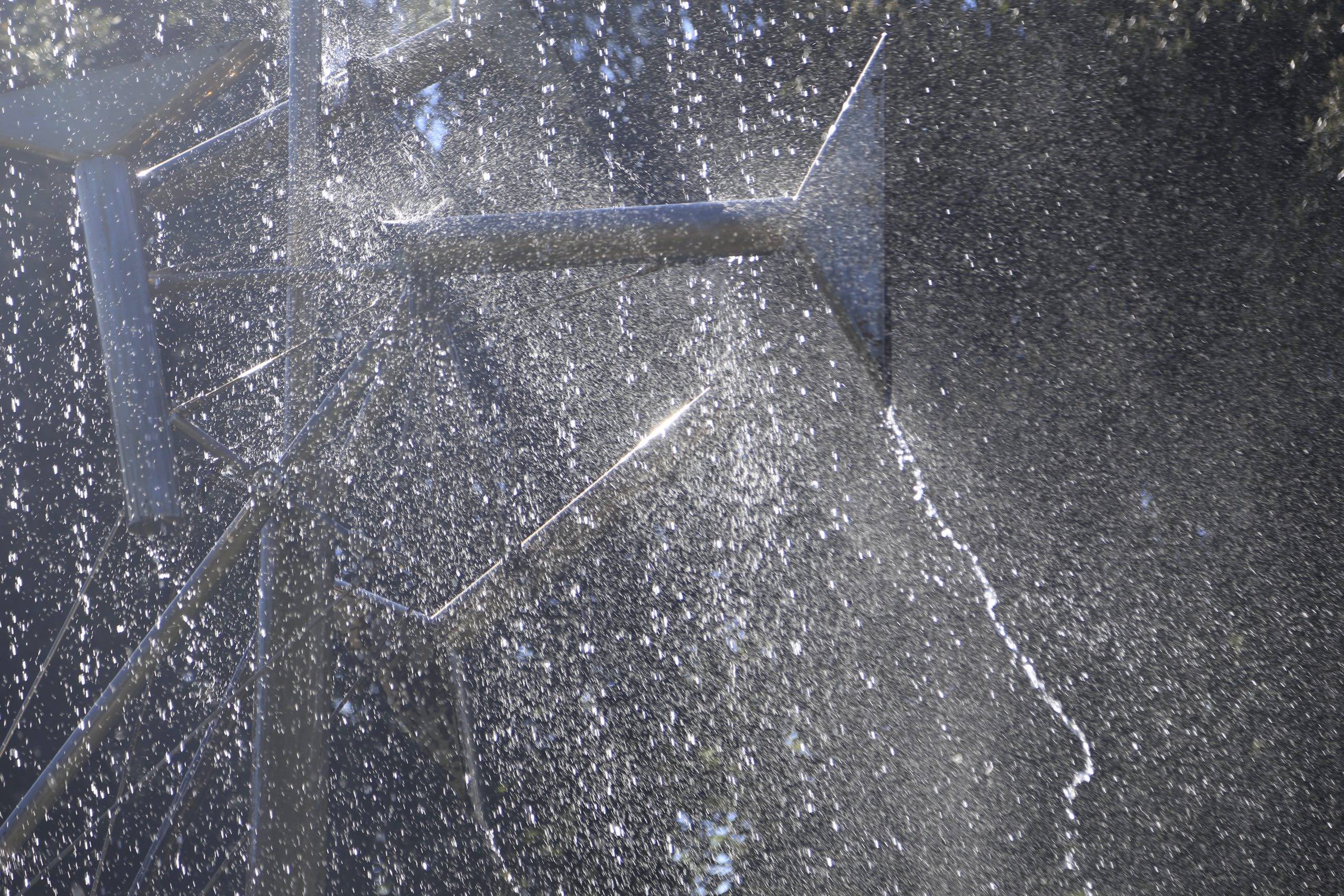
Susumu Shingu’s work, the “Duetto d’Acqua” fountain, was installed in 1998 in the center of the vast flowerbed in Domenico Giusti Square, right in front of the Tettuccio Plant.

Movement, Sound and Water

It is a mobile steel sculpture, about three meters high, whose movements produce a dynamic play of water accompanied by evocative musical effects. Water escapes from two long tubes placed at the apex of the sculpture and flows into the six cup-shaped gears below, activating its circular movement. The roar of the water harmonizes with the melodies played by the work, thus celebrating the prodigious element and its deep connection to the city.
It is an enchanting water feature that welcomes visitors to the most famous of Montecatini Terme’s thermal temples, the Tettuccio.


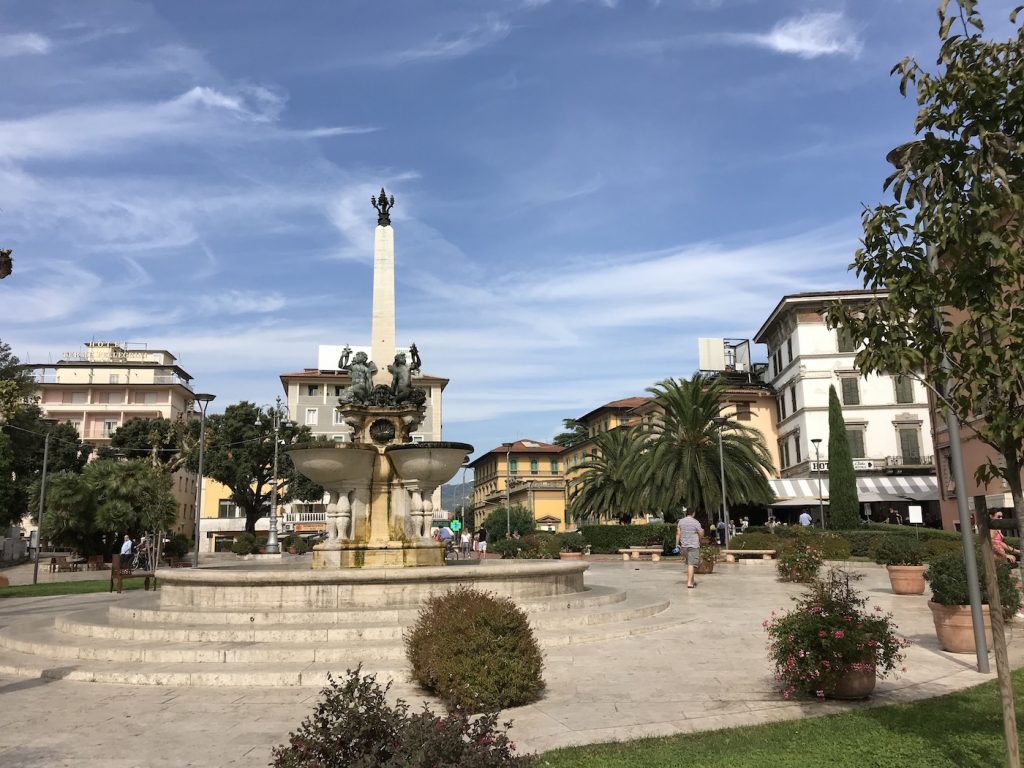
The Monumental Fountain, located in the central Piazza del Popolo, was built in 1926 and designed by architect Raffaello Brizzi.

To create the bronze ornaments, Brizzi enlisted the help of Pistoia sculptor Antonio Guidotti.

History and Composition

Its construction marked the replacement of a pre-existing quadrangular loggia that had hosted agricultural markets and fairs since 1834. The fountain, made of travertine and bronze, consists of a large circular basin. At the top of the latter are putti holding four horns, from which jets of water flow out to feed the basin below.


This site is registered on wpml.org as a development site. Switch to a production site key to remove this banner.