



Discovering Montecatini Alto and its Historic Funicular
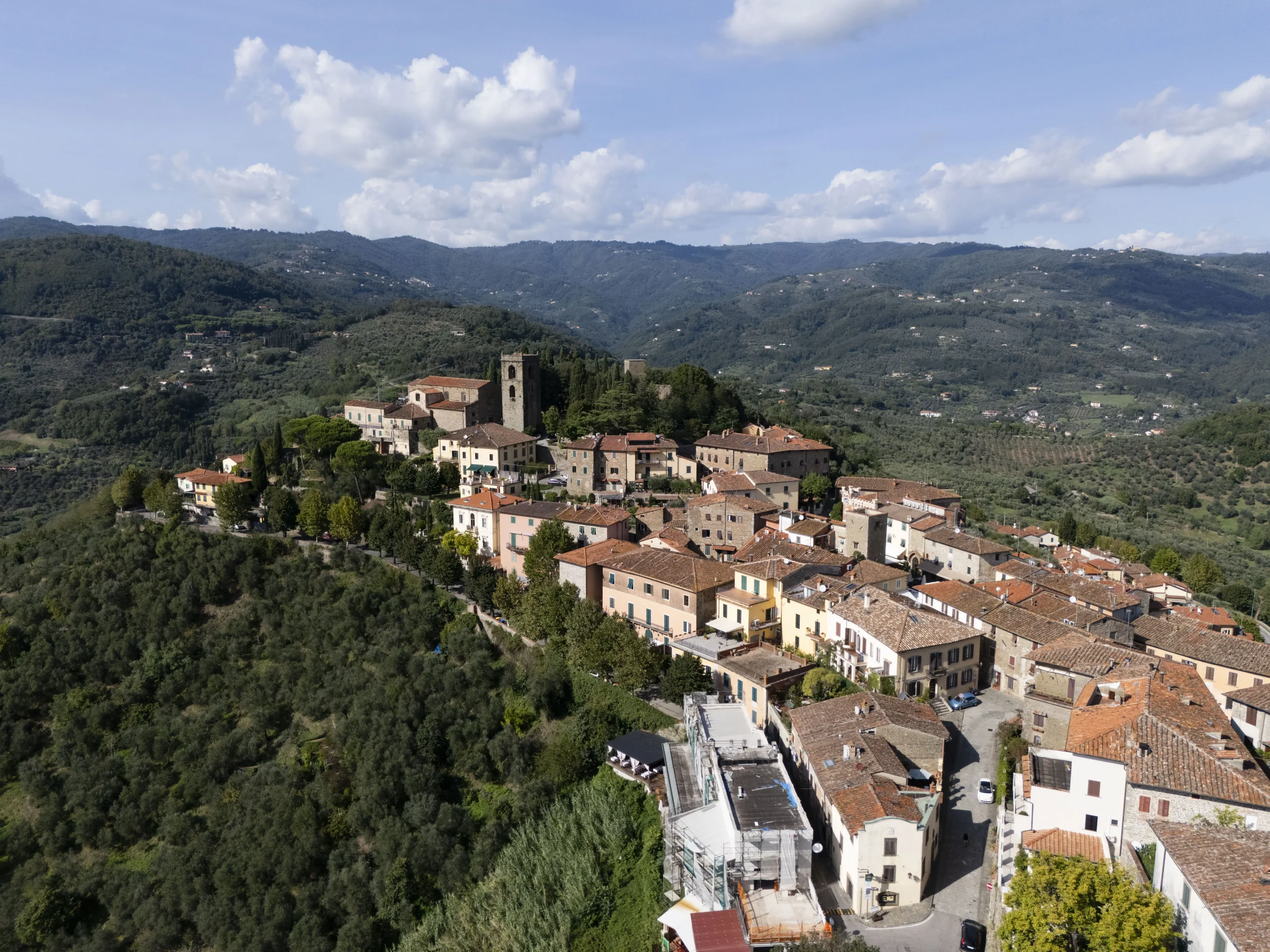
One of the city’s most charming spots is Montecatini Alto, an ancient medieval village overlooking the valley. There are several options to reach it, but the most picturesque is undoubtedly boarding the historic funicular, which leads to this magical village with its lively little square and welcoming venues. Alternatively, following the path alongside the funicular provides a ten-minute walk leading directly to the village on foot.
Gigio and Gigia: The Historic Red Funicular
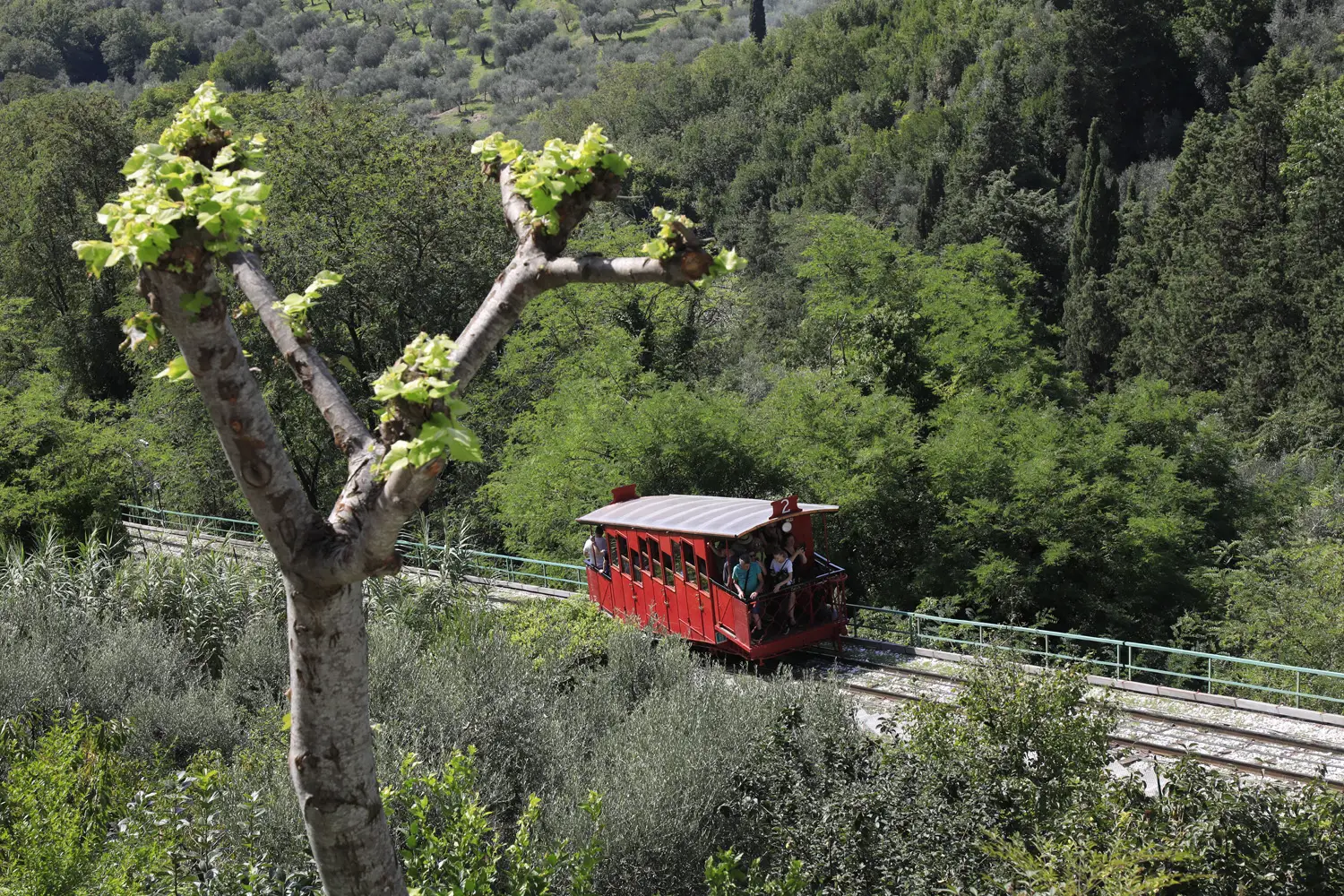
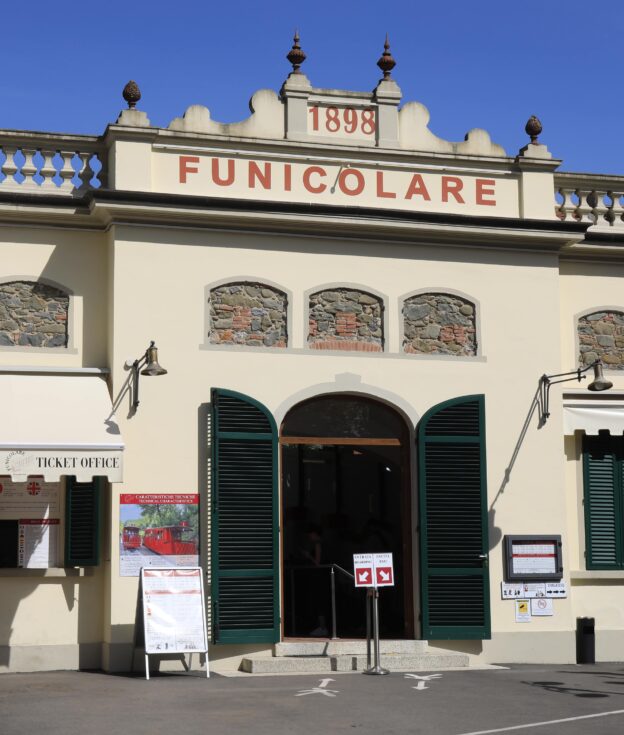
Inaugurated on June 4, 1898, in the presence of the famous composer Giuseppe Verdi, the Montecatini funicular, consisting of two cars, connects the spa town to the picturesque medieval village of Montecatini Alto.
Originally, the system was powered by a steam boiler located at the lower station, but in 1921 an electric motor was added to make the service more efficient and safe. Throughout its long history, the funicular has experienced some interruptions: during World War II, war damage rendered the line unusable until 1949, while in 1977 major technical renovations required the line to close until 1982.
Today, the two iconic red cars, “Gigio” and “Gigia,” travel a route of just over 1,000 meters with a gradient reaching 40%. The funicular journey, lasting about 8 minutes, offers a panoramic view of the Valdinievole and the elegant architecture of the spa town. One of the most evocative moments is the crossing of the two cars halfway along the route, a scene that fascinates both adults and children.
Regarding the Funicular: Is it the Oldest in the World?
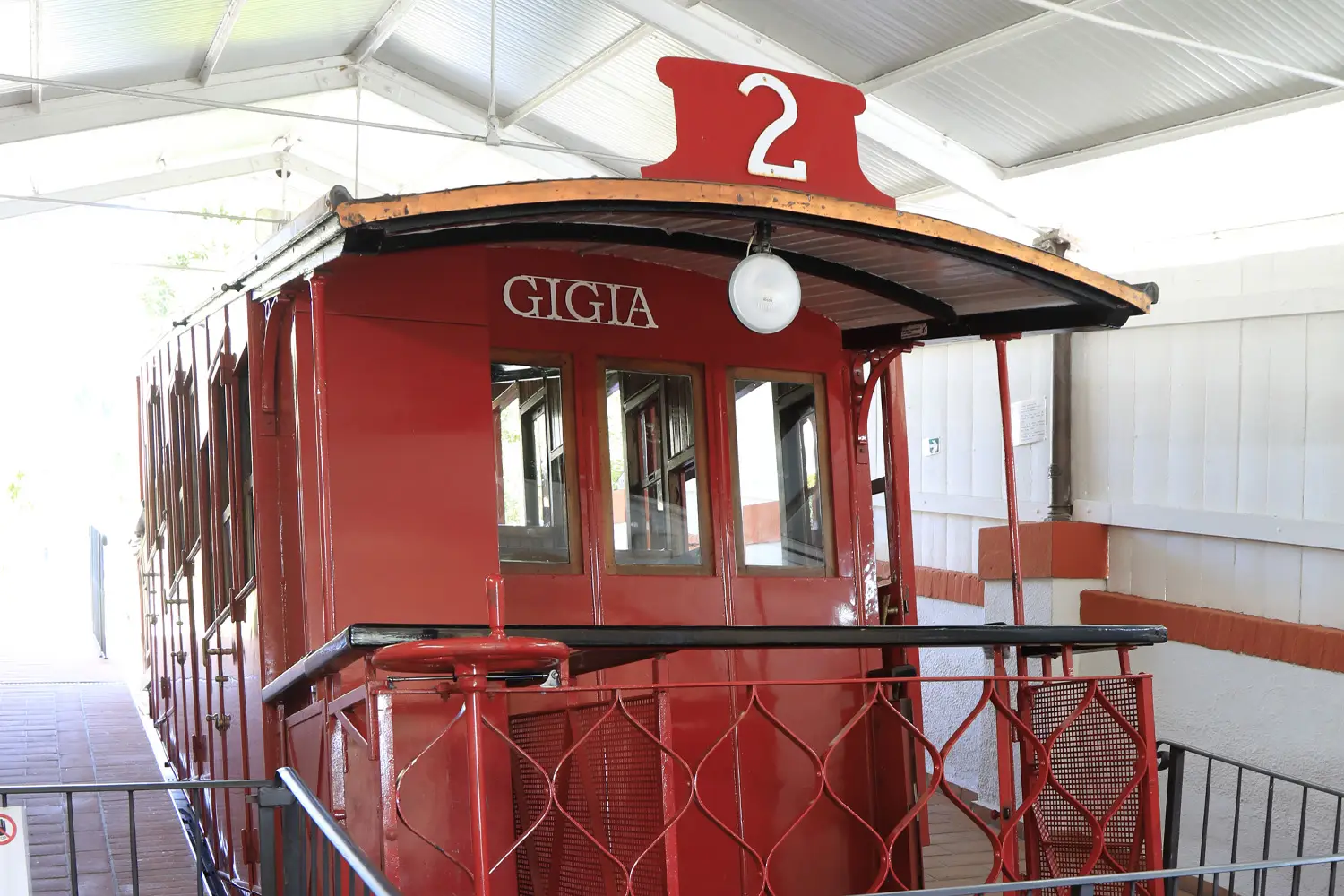
Yes, it is the oldest funicular still in operation featuring the original 1898 cars: Gigio and Gigia. A unique heritage. It is an experience recommended for everyone: slowly ascending toward Montecatini Alto, suspended among the olive trees and the view over the Valdinievole.
Experiencing the Medieval Village
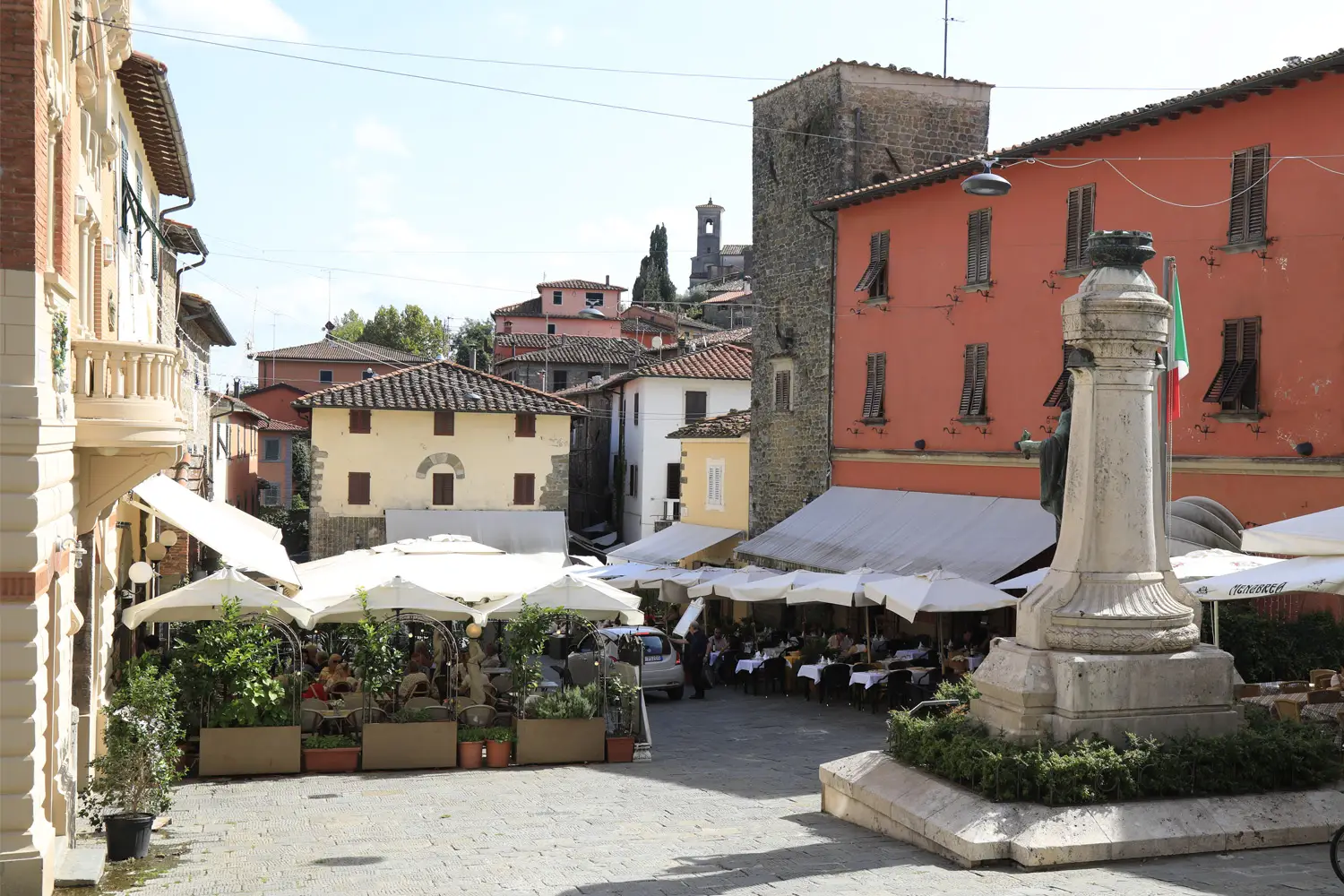
Upon reaching the village, amid narrow paved streets surrounded by stone houses, picturesque views and ancient churches can be admired. Should a moment of pause be needed, stopping at one of the many traditional restaurants to enjoy Tuscan specialties or heading to Piazza Giusti for an aperitif with a view are excellent options.
The Tower of Ugolino: A Medieval Landmark in Piazza Giusti
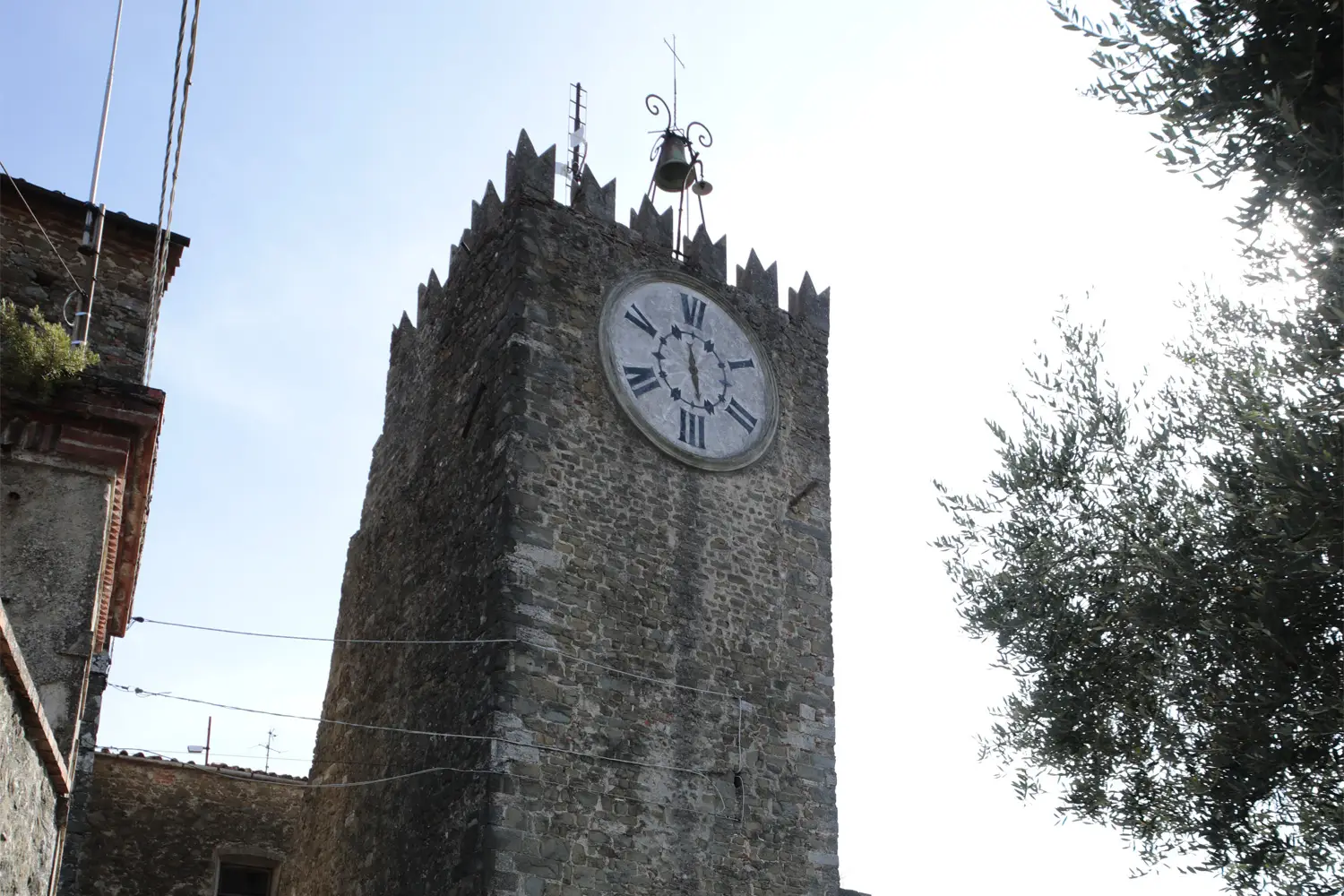
Among the historic buildings framing Piazza Giusti stands the so-called Tower of Ugolino (also known as the Signorelli Tower), one of only seven towers surviving out of the twenty-five originally erected to defend the ancient castle, fragments of which can still be recognized while walking through the streets of Montecatini Alto. The building owes its name to Ugolino Caccini, an illustrious 15th-century physician and author of the famous De balneis, the first scientific treatise to analyze and systematize the therapeutic properties of Montecatini’s waters.

