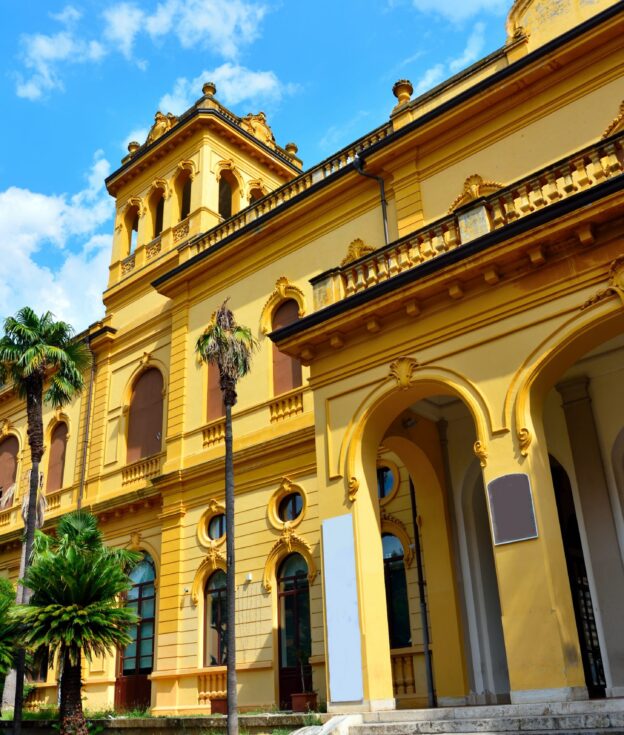
Some places in the city were the perfect setting for performances by numerous playwrights: one example is the Kursaal Complex, a true landmark of Montecatini Terme's social life.
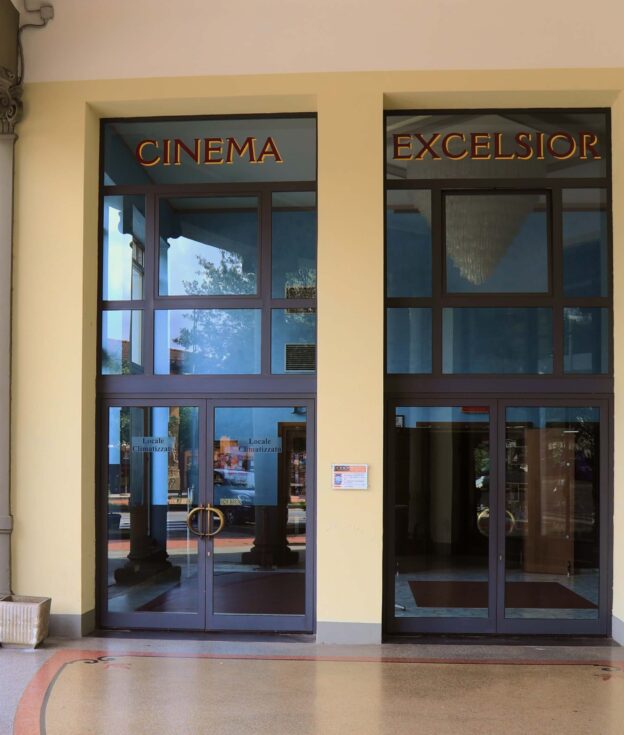
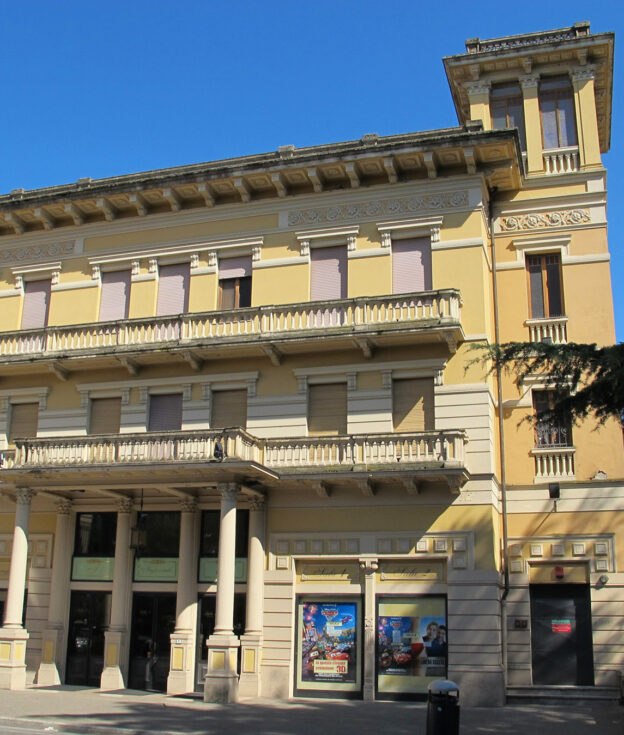
Excelsior Cinema
Sublime example of the architecture of Ugo Giovannozzi, the Florentine engineer responsible for the renovation of many of the city's establishments in the early twentieth century.
Imperial Cinema
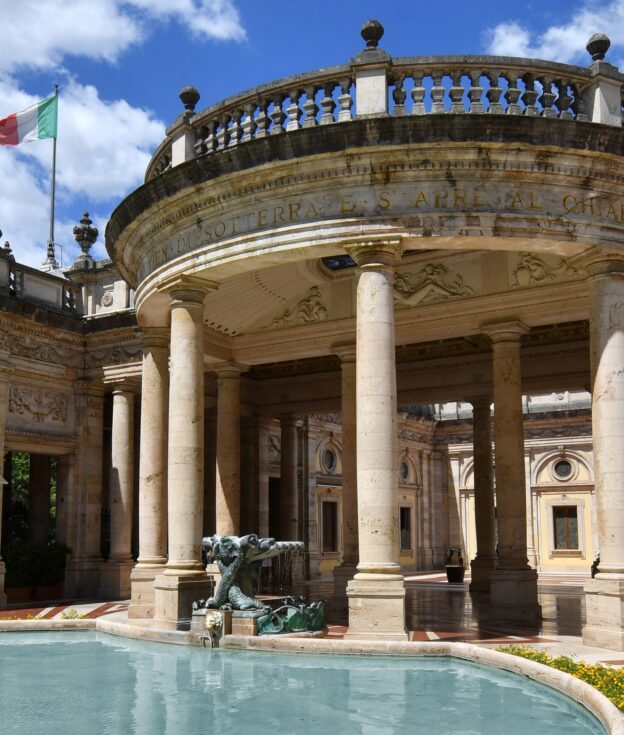
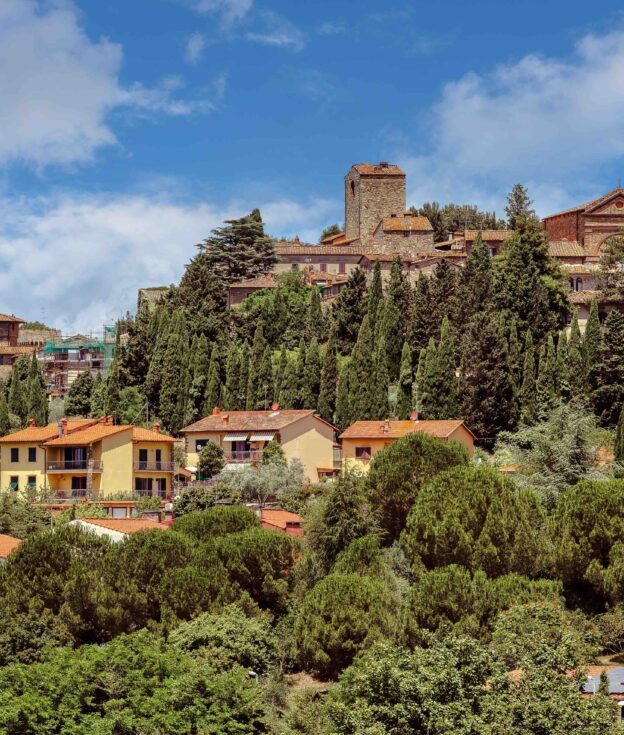
Toward the middle of the nineteenth century Montecatini Terme became a valuable and prestigious European salon, unceasingly enriching itself with "new" architecture in the Art Nouveau style, characterized by peculiar traits of lightness and sobriety that were entirely personal
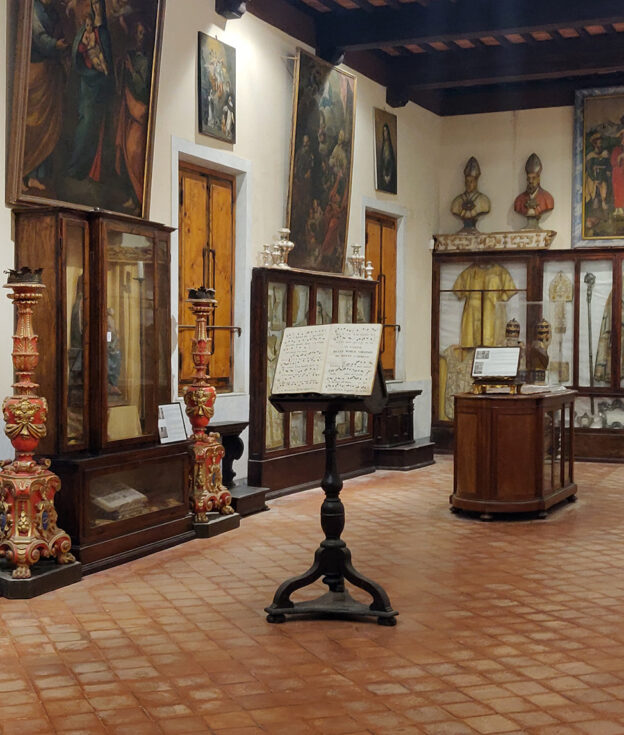
Museum of Sacred Art and Furnishings
From the left side of the High Altar of the Church of St. Peter the Apostle, there is access to a unique exhibition space.
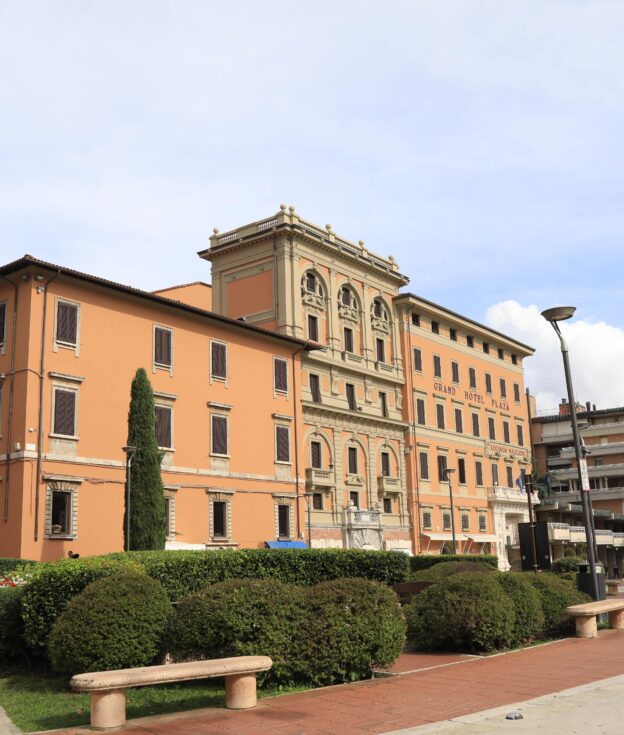
Plaza Hotel & Locanda Maggiore
Overlooking Piazza del Popolo, behind the Guidotti Fountain, the Hotel Plaza & Locanda Maggiore represents one of the earliest examples of Montecatini Terme's rise as a spa destination of international significance.
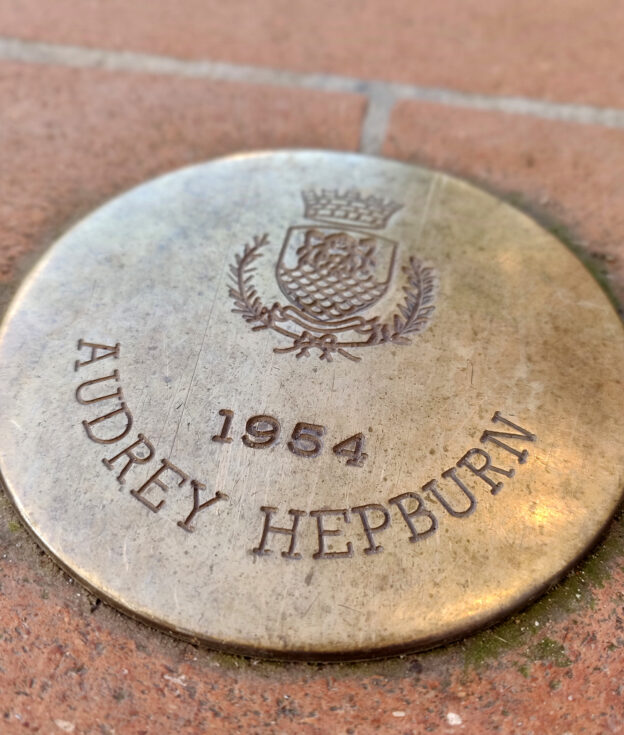
Walk Of Fame
An installation consisting of more than 200 circular studs engraved with the names of celebrities who have stayed in the city
Giuseppe Verdi Avenue
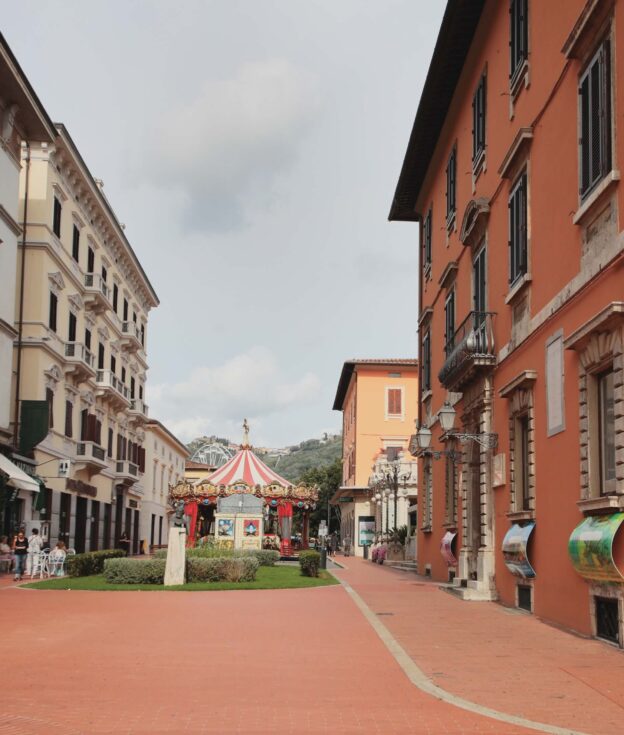
This avenue, which was once known as Vialone dei Bagni, guided the city's urban expansion, marking the transition from the medieval village of Montecatini Alto to the new thermal Montecatini.
Ruggero Leoncavallo House
Montecatini Terme was the second home of the famous Neapolitan composer Ruggero Leoncavallo, author of the opera "Pagliacci."
Parenti cottage
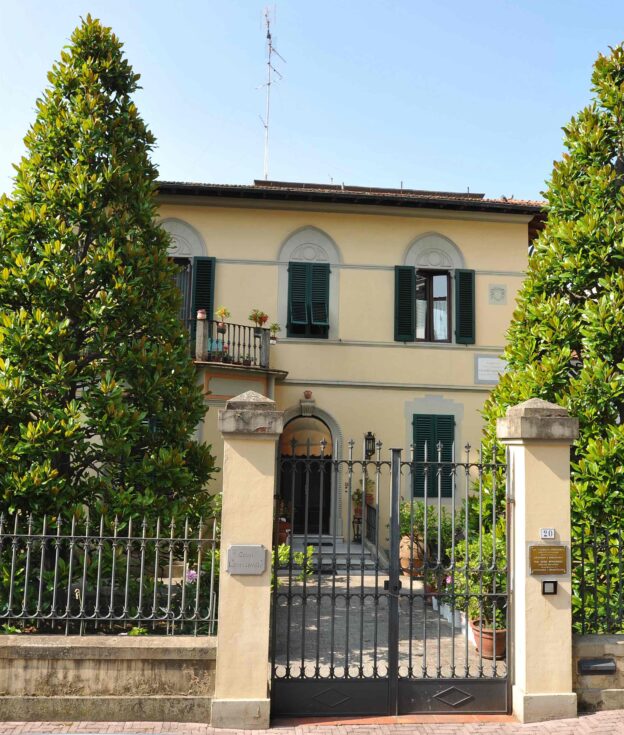
The Villino Parenti is a refined residence whose splendid facade is enriched with polychrome frescoed decorations.
Per fornire le migliori esperienze, utilizziamo tecnologie come i cookie per memorizzare e/o accedere alle informazioni del dispositivo. Il consenso a queste tecnologie ci permetterà di elaborare dati come il comportamento di navigazione o ID unici su questo sito. Non acconsentire o ritirare il consenso può influire negativamente su alcune caratteristiche e funzioni.
Funzionale
Always active
L'archiviazione tecnica o l'accesso sono strettamente necessari al fine legittimo di consentire l'uso di un servizio specifico esplicitamente richiesto dall'abbonato o dall'utente, o al solo scopo di effettuare la trasmissione di una comunicazione su una rete di comunicazione elettronica.
Preferenze
L'archiviazione tecnica o l'accesso sono necessari per lo scopo legittimo di memorizzare le preferenze che non sono richieste dall'abbonato o dall'utente.
Statistiche
L'archiviazione tecnica o l'accesso che viene utilizzato esclusivamente per scopi statistici.L'archiviazione tecnica o l'accesso che viene utilizzato esclusivamente per scopi statistici anonimi. Senza un mandato di comparizione, una conformità volontaria da parte del vostro Fornitore di Servizi Internet, o ulteriori registrazioni da parte di terzi, le informazioni memorizzate o recuperate per questo scopo da sole non possono di solito essere utilizzate per l'identificazione.
Marketing
L'archiviazione tecnica o l'accesso sono necessari per creare profili di utenti per inviare pubblicità, o per tracciare l'utente su un sito web o su diversi siti web per scopi di marketing simili.



 Prev
Prev

